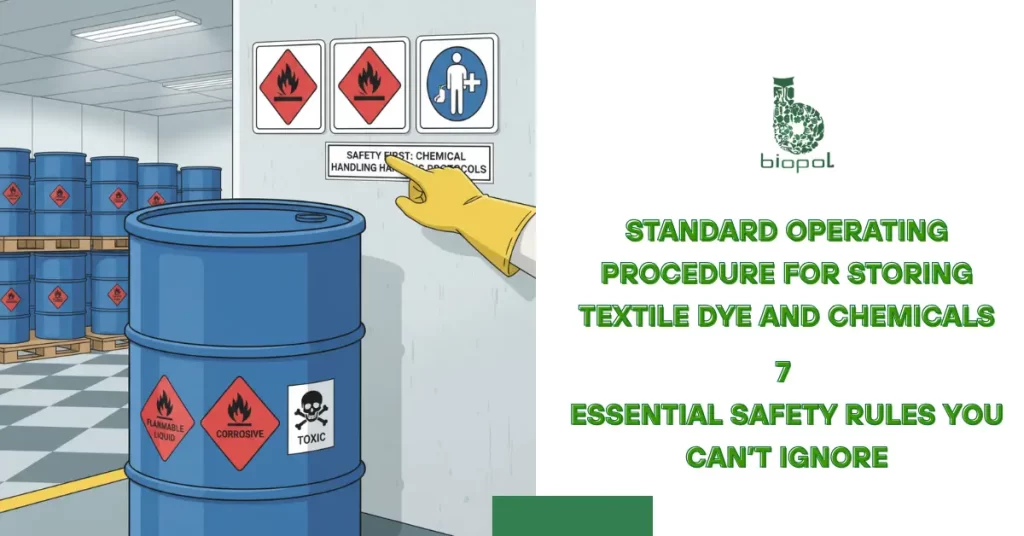
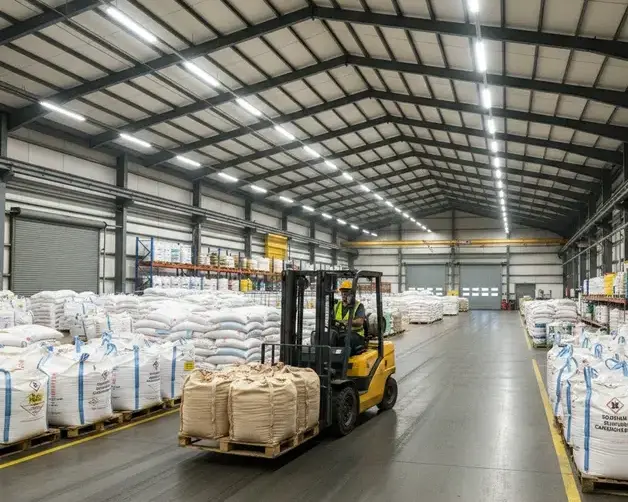
Commodity chemicals in textiles are bulk industrial substances used for fiber production, dyeing, printing, and finishing processes. These chemicals serve as foundational materials that drive large-scale textile manufacturing. From acids and alkalis to solvents and surfactants, they form the core of textile chemistry, enabling essential operations like bleaching, desizing, and scouring. How do these chemicals shape the efficiency and sustainability of modern textile production?
Key Takeaways
- Commodity chemicals are fundamental to textile processing and finishing.
- They include acids, alkalis, salts, and solvents used in bulk.
- Regulation under REACH, GHS, and ZDHC ensures safe use.
- Sustainability efforts focus on replacing hazardous compounds.
- Distinguishing between commodity and specialty chemicals is essential for efficient production management.
What are commodity chemicals in textiles?
Commodity chemicals in textiles refer to high-volume, low-cost industrial chemicals used across multiple processing stages. They are not product-specific but vital for operational efficiency.
Main categories include:
- Inorganic acids and alkalis: Sulfuric acid, sodium hydroxide for pH control and desizing.
- Salts and neutralizers: Sodium carbonate, sodium chloride for dye bath regulation.
- Solvents: Acetone, ethanol for pigment dispersion and coating.
- Oxidizing/reducing agents: Hydrogen peroxide for bleaching; sodium hydrosulfite for reduction.
These chemicals form the groundwork for more specialized textile auxiliaries and finishing agents.
How do commodity chemicals support textile processing?
Commodity chemicals in textiles enable the transformation of raw fibers into finished fabrics through key chemical reactions and treatments.
Major process applications:
| Process | Common Commodity Chemicals | Function |
| Scouring | Sodium hydroxide, detergents | Remove oils, waxes, impurities |
| Bleaching | Hydrogen peroxide, sodium hypochlorite | Whiten fabrics before dyeing |
| Dyeing | Sodium sulfate, sodium carbonate | Stabilize dye uptake |
| Finishing | Formaldehyde, acetic acid | Adjust texture, feel, and pH |
Each stage demands precise concentration and temperature control to maintain fiber quality and colorfastness.
Which industries rely on commodity textile chemicals most?
Commodity textile chemicals are extensively used across:
- Apparel and fashion – for consistent dye shades and soft finishing.
- Home textiles – bed linens, curtains requiring bleaching and durable finishes.
- Technical textiles – industrial filters, medical fabrics needing controlled chemical treatment.
A textile chemical liquid is often discussed alongside dyeing agents, wetting agents, and finishing auxiliaries for integrated process optimization.
What are key examples of commodity chemicals in textiles?
Common examples include:
- Sodium hydroxide (NaOH) – desizing and scouring agent.
- Sulfuric acid (H₂SO₄) – used in viscose fiber spinning.
- Hydrogen peroxide (H₂O₂) – primary bleaching compound.
- Acetic acid (CH₃COOH) – neutralizer for pH balance after dyeing.
- Sodium chloride (NaCl) – electrolyte for dye fixation.
- Formaldehyde – cross-linking agent in wrinkle-resistant finishes.
These chemicals are standardized under industrial norms such as OEKO-TEX and ZDHC for environmental safety.
How are commodity chemicals classified and regulated?
Commodity chemicals in textiles are classified based on function, composition, and safety:
Functional classes:
- Acids and bases
- Oxidizing and reducing agents
- Neutral salts
- Solvents and surfactants
Regulatory frameworks:
- REACH (Registration, Evaluation, Authorisation and Restriction of Chemicals)
- GHS (Globally Harmonized System)
- ZDHC MRSL – restricts hazardous substances in textile chemistry
Compliance ensures safe production, reduced discharge, and worker protection in dyehouses and finishing plants.
What are current challenges and trends in using commodity chemicals?
- Sustainability concerns: High water and chemical load in processing.
- Waste management: Sludge generation and effluent toxicity.
- Innovation shift: Adoption of bio-based neutralizers and low-impact oxidants.
Manufacturers increasingly substitute traditional acids and solvents with biodegradable alternatives to align with green textile directives.
How do commodity chemicals differ from specialty textile chemicals?
Commodity chemicals are basic, high-volume materials used for general textile operations. In contrast, specialty chemicals (e.g., water repellents, flame retardants, UV absorbers) are formulated for specific performance outcomes.
Together, both categories maintain the balance between textile production efficiency and functional innovation.
Conclusion
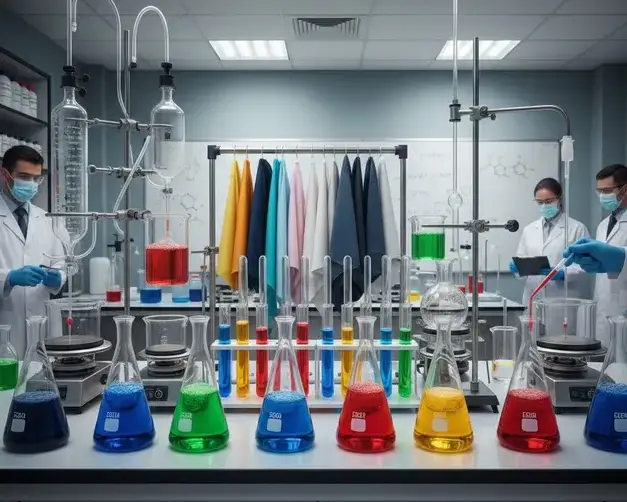
Commodity chemicals in textiles provide the structural and operational backbone for every fabric treatment process. As global regulations evolve, the shift toward safer, low-toxicity alternatives will redefine industry standards. Understanding their classification also builds a foundation for exploring advanced formulations like textile printing chemicals, crucial for sustainable coloration technologies.
FAQ
What are commodity chemicals in textile industry?
They are large-volume, low-cost chemicals used in basic textile processes such as bleaching, dyeing, and finishing.
What are examples of commodity chemicals?
Examples include sodium hydroxide, sulfuric acid, hydrogen peroxide, and sodium chloride.
Which chemicals are used in the textile industry?
The textile industry uses acids, alkalis, oxidizing agents, salts, surfactants, and solvents in multiple processing stages.
What are the top 5 industrial chemicals?
Sulfuric acid, sodium hydroxide, ammonia, ethylene, and hydrogen peroxide are the most widely used industrial chemicals globally.
Are commodity chemicals hazardous?
Some are hazardous in concentrated forms and require strict handling, storage, and discharge compliance under industrial safety standards.
Sources
https://acmemills.com/industry-news-blog/list-of-chemicals-used-in-textile-dyeing-industry/
https://saicmknowledge.org/topic/chemicals-textiles
https://www.allergystandards.com/news_events/chemicals-in-textiles-and-the-health-implications/
https://mrsl.roadmaptozero.com/MRSL1_1/index.php
https://jesons.net/textile-chemicals-applications-benefits/
https://elchemy.com/blogs/chemical-market/major-chemicals-in-demand-in-textile-amp-agriculture-industries
https://www.thebusinessresearchcompany.com/report/textile-chemicals-global-market-report