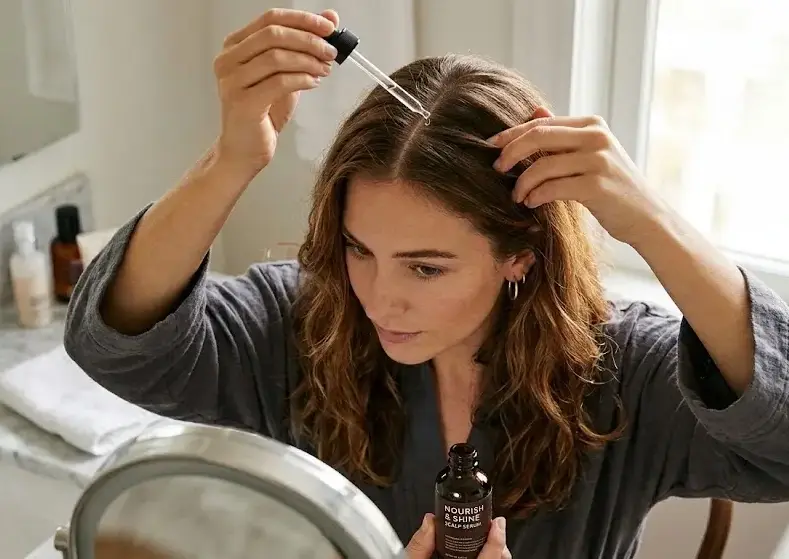
The term silicone hair serum refers to a formulation using synthetic silicone polymers designed to coat hair strands, enhance shine, and reduce frizz. In contrast, traditional hair oils are natural triglyceride-based compounds that penetrate the hair shaft to nourish it internally. How do silicone hair serums differ from traditional oils in structure, function, and performance?
Key Takeaways
- Silicone serums coat the hair; oils penetrate it.
- Serums provide heat and humidity resistance.
- Oils deliver internal nourishment and scalp benefits.
- Buildup risk depends on silicone type and cleansing routine.
- Hybrid formulations offer balanced protection and care.
How Do Silicone Hair Serums Differ from Traditional Oils?
Silicone serums are composed of polysiloxane compounds such as dimethicone or cyclopentasiloxane, while traditional oils (e.g., coconut, argan, or jojoba oil) are fatty acid esters derived from natural sources.
Comparison Table:
| Aspect | Silicone Serums | Traditional Oils |
| Chemical Base | Synthetic siloxane polymers | Natural triglycerides |
| Molecular Size | Larger, surface-coating molecules | Smaller, penetrating molecules |
| Volatility | Often volatile or semi-volatile | Non-volatile |
| Polarity | Non-polar | Varies (polar and non-polar components) |
This chemical distinction influences absorption, spreadability, and durability on the hair surface.
How do silicone hair serums interact with hair differently from oils?
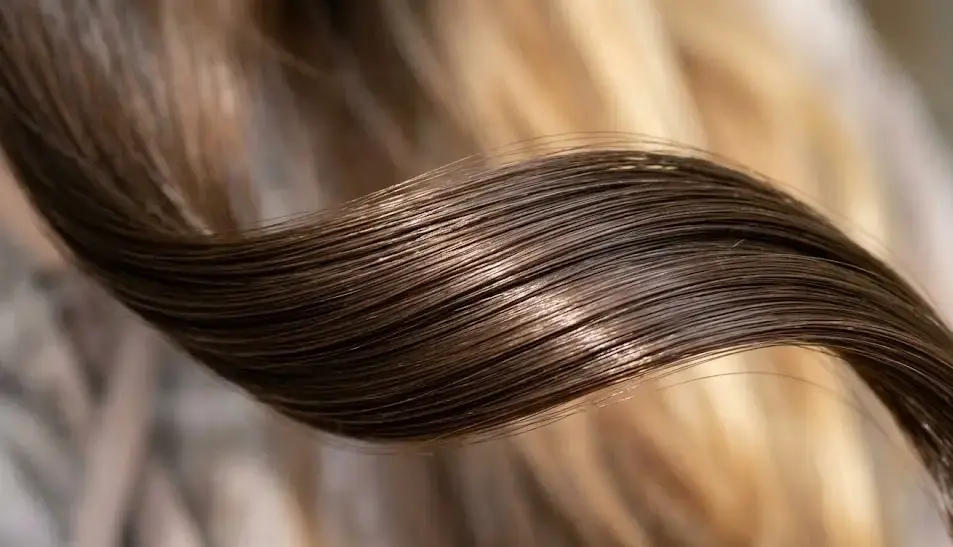
Silicone serums form a uniform, flexible film over the cuticle, reducing friction, frizz, and breakage. Traditional oils penetrate the cortex, improving internal strength and elasticity over time.
- Silicones: Provide an instant smooth, reflective finish.
- Oils: Deliver deep conditioning with gradual buildup of softness.
In professional haircare, hybrid formulations now blend both technologies to balance protection with nourishment.
What are the performance benefits of silicone serums compared to oils?
Silicone hair serums offer superior thermal and humidity resistance, making them ideal for heat-styling and high-humidity environments.
Key advantages:
- High gloss and shine due to light refraction
- Enhanced detangling and slip
- Protection from heat tools up to 230°C
- Minimal greasiness or residue
By contrast, traditional oils excel in moisture retention and scalp conditioning, especially in dry or curly hair types.
How do buildup and wash-off properties differ between the two?
Silicone serums vary in wash-off behavior depending on polymer solubility.
- Water-soluble silicones (e.g., dimethicone copolyol) rinse easily.
- Non-water-soluble silicones (e.g., dimethicone) may require clarifying shampoos to prevent buildup.
Traditional oils are biodegradable and rinse out with standard cleansing, though excessive use can weigh hair down.
(People also search for topics such as “non-water-soluble silicones,” “clarifying shampoos,” and “lightweight leave-in serums.”)
How does scalp and environmental compatibility vary between serums and oils?
Silicone serums are inert and hypoallergenic, minimizing irritation risk. However, they do not provide nutrients. Oils contain bioactive compounds—vitamins, antioxidants, and essential fatty acids—that can nourish the scalp but may oxidize or go rancid.
Regulatory Note: The ECHA and FDA oversee and approve specific silicone variants deemed safe for inclusion in cosmetic products.
Do silicone hair serums last longer than oils in real-world use?
Yes. Due to their film-forming properties and resistance to oxidation, silicone serums provide longer-lasting protection. Oils degrade faster when exposed to heat, light, or air. For this reason, serums are preferred in professional salon formulations and high-performance styling products.
Can silicone and oil blends deliver optimized results?
Modern formulations often integrate dimethicone with natural emollients like argan or sunflower oil. This hybrid approach combines the shine and slip of silicones with the moisture retention of natural oils, offering balanced results across multiple hair types.

Conclusion
Silicone hair serums differ from traditional oils in chemical composition, film behavior, and performance longevity. While serums deliver instant shine and protection, oils nourish deeply with natural actives. Understanding both categories helps users select suitable care routines and avoid issues like buildup or dullness. For deeper insights, explore how silicones in hair products influence modern formulation chemistry.
FAQ
Is silicone serum good for hair?
Yes, Silicone-based serums reduce frizz, enhance smoothness, and deliver a polished shine without weighing the hair down.
What are the disadvantages of silicone in hair?
Non-water-soluble silicones can cause buildup, reducing volume and moisture absorption if not properly cleansed.
Is it better to have silicone free hair products?
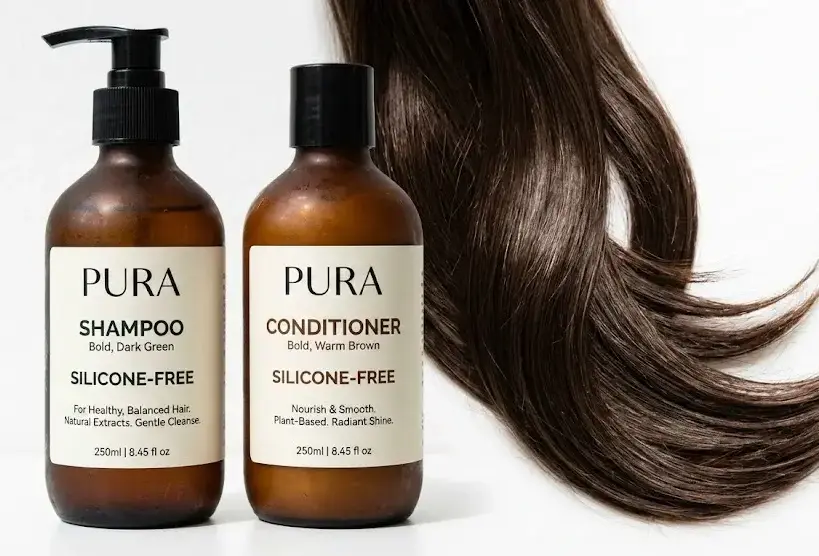
It depends on hair needs; silicone-free options suit minimalists, while silicone-based serums protect during styling.
Why do people avoid silicone?
Some avoid silicone due to buildup concerns and a preference for biodegradable, plant-based alternatives.
Sources
https://www.linkedin.com/posts/nesa-e-tari-63121456_haircare-cosmeticscience-formulationchemistry-activity-7389297585267695616-p3yc
https://www.cosmeticsandtoiletries.com/formulas-products/hair-care/article/21836403/comparatively-speaking-traditional-fatty-acids-vs-silicone-surfactants
https://elkaysilicones.com/silicone-based-hair-serum/
https://romakksilicones.com/why-manufacturers-use-our-silicone-in-hair-serum/
https://www.clinikally.com/blogs/news/decoding-the-silicone-debate-unraveling-its-role-in-hair-care?srsltid=AfmBOoqu10ib_YzrcbmBxQ7v42vNsKUqZmyZOp_zNW55jtabIGCRKTQv
https://www.seppic.com/el/article/natural-silicone-alternative-haircare
https://pmc.ncbi.nlm.nih.gov/articles/PMC10298615/