Silicones are synthetic polymers consisting of repeating silicon–oxygen (Si–O) units combined with organic groups such as methyl or phenyl. These substances are characterized by heat stability, adaptable flexibility, and resistance to both moisture and chemical reactions. Because of these properties, silicones are used across multiple industries including medical technology, construction sealants, electronics insulation, and personal care formulations.
Key Takeaways
- Silicones are synthetic polymers with a silicon–oxygen backbone.
- Their structure provides heat resistance, flexibility, and chemical stability.
- Industrial production involves silicon processing, chlorosilane formation, and polymerization.
- Silicones are widely used in electronics, healthcare, construction, and cosmetics.
- They exist in several forms including fluids, elastomers, and resins.
What Are Silicones in Chemistry?
From a chemical perspective, silicones are organosilicon polymers composed of repeating silicon–oxygen units that form the siloxane bond (Si–O–Si).
Basic characteristics
- Polymer structure based on siloxane chains
- Organic side groups attached to silicon atoms
- High resistance to heat and oxidation
- Chemically inert and stable
General formula
| Component | Role in Structure |
| Silicon (Si) | Forms the polymer backbone |
| Oxygen (O) | Links silicon atoms |
| Carbon (C) | Part of organic side groups |
| Hydrogen (H) | Stabilizes the organic groups |
These structural properties explain why silicones behave differently from traditional plastics.
What Is the Structure of Silicones?
The structure of silicones is built around repeating –Si–O–Si– units, which create flexible chains or cross-linked networks.
Structural types
- Linear silicones – flexible chains used in oils and lubricants
- Cyclic silicones – ring-shaped molecules common in cosmetics
- Cross-linked silicones – form solid elastomers used in sealants
Simplified structure
–Si–O–Si–O–Si–
| | |
R R R
Here R represents organic groups such as methyl (–CH₃).
This flexible backbone is the key reason silicones maintain stability under temperature changes.
How Are Silicones Prepared Industrially?
Silicones are manufactured through a multi-step chemical process starting from silicon derived from silica sand.
Basic preparation steps
- Production of silicon
- Silica (SiO₂) is reduced with carbon in an electric furnace.
- Formation of chlorosilanes
- Silicon reacts with methyl chloride to produce compounds like dimethyldichlorosilane.
- Hydrolysis
- Chlorosilanes react with water to produce silanol groups.
- Polymerization
- Silanol molecules condense to form siloxane polymers, creating silicone fluids, resins, or elastomers.
This process allows manufacturers to control viscosity, flexibility, and mechanical strength.
What Are Silicones Used For in Industry?
Their resistance to temperature extremes and environmental stress makes silicones widely used in many industries.
Major industrial applications
| Industry | Typical Use |
| Construction | Sealants, waterproof coatings |
| Electronics | Insulation and thermal management |
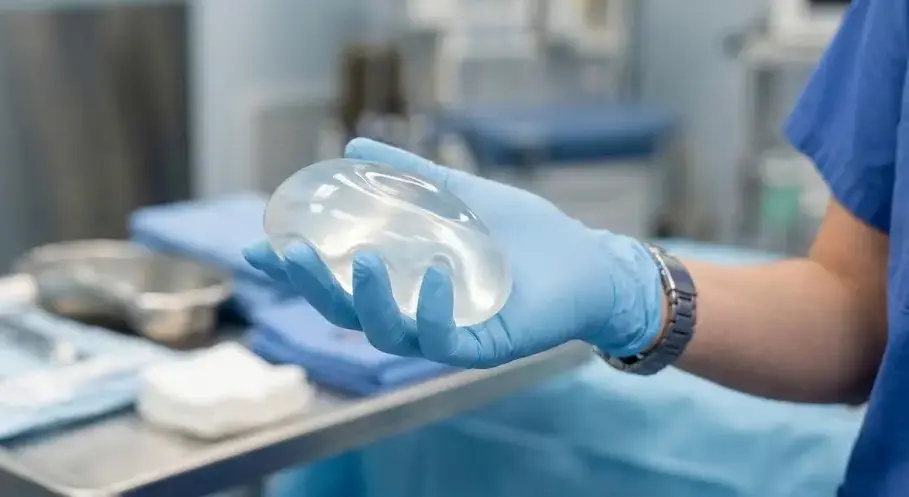
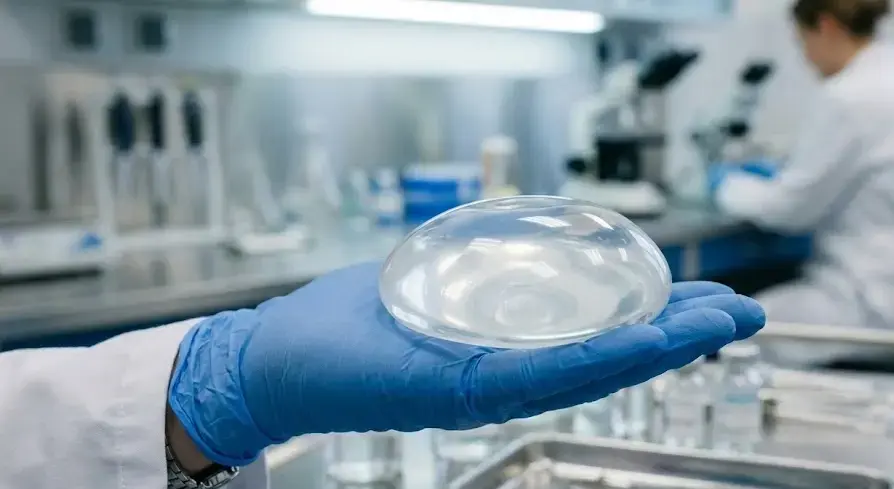
| Healthcare | Medical implants, tubing |
| Automotive | Gaskets, lubricants |
| Aerospace | High-temperature adhesives |
Silicones are often discussed alongside silicon vs silicone differences, silicone polymers, and siloxane compounds, which help clarify related chemical materials.
What Are Silicones Used for in Personal Care and Hair Products?
Silicones in cosmetics form a smooth, protective film on skin or hair, improving texture and moisture retention.
Common cosmetic silicones
- Dimethicone
- Cyclopentasiloxane
- Amodimethicone
Benefits in hair products
- Reduces friction between hair strands
- Enhances shine and smoothness
- Provides humidity resistance
- Improves spreadability of conditioners
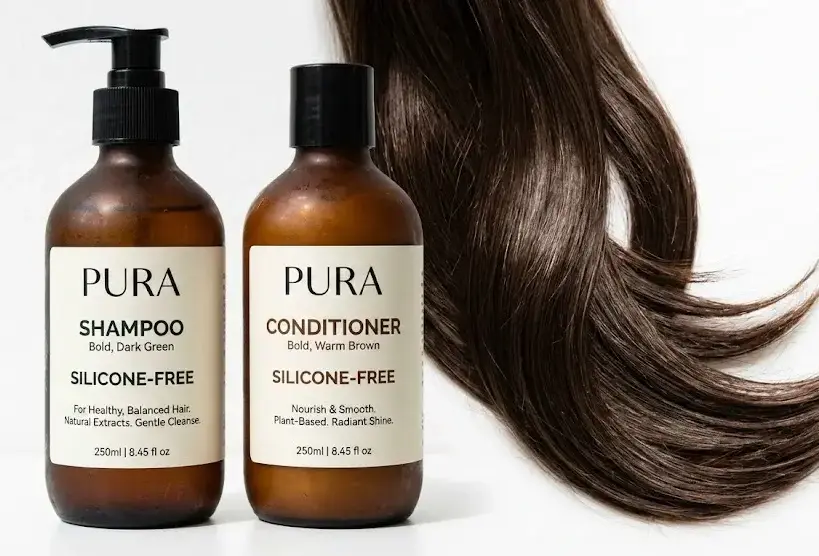
These properties make silicones common ingredients in shampoos, conditioners, and skincare formulations.
Where Are Silicones Used in Everyday Products?
Silicones are included in many household products because they remain stable and resist chemical reactions.
Examples
- Kitchen bakeware and utensils
- Waterproof sealants and adhesives
- Medical tubing and prosthetics
- Electronics protective coatings
- Lubricants and greases
Their ability to remain stable from –50°C to over 200°C makes them valuable in engineering and manufacturing.
Conclusion
Silicones are versatile polymeric materials defined by a siloxane backbone and organic side groups, giving them exceptional thermal stability, flexibility, and chemical resistance. Their different forms—fluids, elastomers, and resins—are the reason silicones are applied in many industrial and consumer settings. For deeper chemical insight, understanding What are silicones made from? provides additional context about their elemental composition and manufacturing origins.
FAQ
What are silicones in chemistry?
Silicones are synthetic polymers containing repeating silicon–oxygen bonds with organic side groups, forming flexible and chemically stable materials.
What is silicon class 11th?
In Class 11 chemistry, silicon is a chemical element (Si) in group 14 of the periodic table and is a major component of silica and silicate minerals.
Is silicone a rubber or plastic?
Silicone is typically classified as an elastomer, meaning it behaves like rubber but has chemical characteristics different from traditional organic rubbers.
What does silicone do to the body?
Medical-grade silicone is biologically inert and widely used in implants, tubing, and medical devices because it rarely reacts with body tissues.
What are silicones with example?
Silicones are organosilicon polymers; examples include dimethicone, silicone rubber, and silicone sealants used in cosmetics and construction.
Sources
https://www.shaalaa.com/question-bank-solutions/what-are-silicones_173850
https://www.americanchemistry.com/industry-groups/silicones-environmental-health-and-safety-center-sehsc/what-are-silicones
https://magazine.elkem.com/faq/what-are-silicones/
https://byjus.com/jee/silicones/
https://brainly.in/question/49294930
https://en.wikipedia.org/wiki/Silicone
https://allen.in/jee/chemistry/silicones
https://askfilo.com/user-question-answers-smart-solutions/what-are-silicones-how-are-they-obtained-discuss-the-3334353236363134
https://circularsilicones.com/what-are-silicones/