

Silicone Temperature Resistance: 7 Critical Facts Explained
Silicone temperature resistance is the capacity of silicone materials to withstand high and low temperatures without losing mechanical or chemical
Silicone temperature resistance is the capacity of silicone materials to withstand high and low temperatures without losing mechanical or chemical

Silicone insulation properties describe the ability of silicone-based materials to act as thermal and electrical insulators across a wide temperature
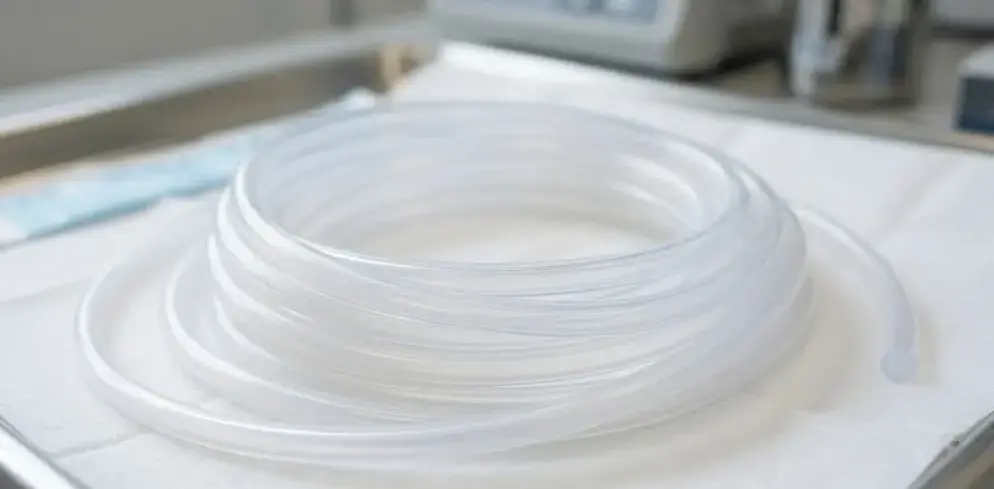
Silicone chemical resistance is the capacity of silicone elastomers to resist chemical attack, swelling, or degradation when exposed to acids,

Silicone thermal stability is the capacity of silicone polymers to resist degradation and retain functional properties across a wide temperature
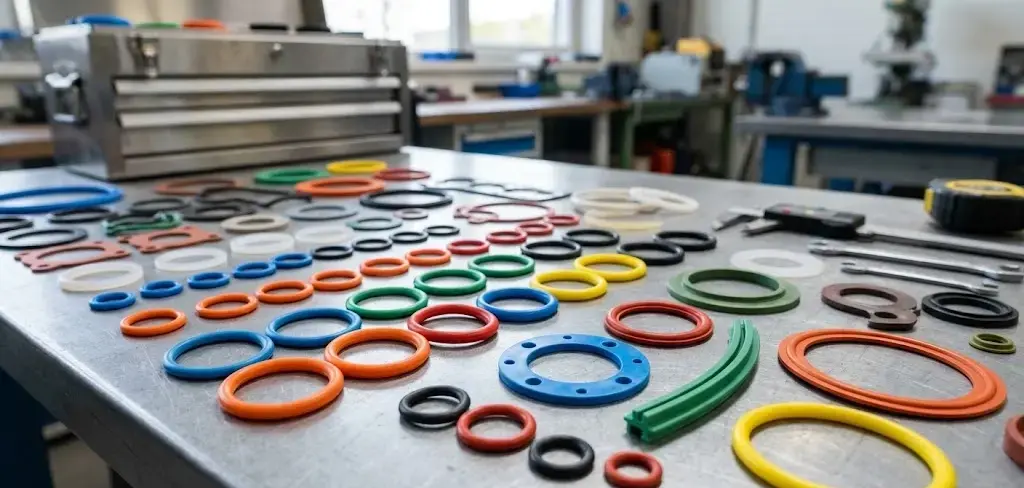
Silicone vs rubber comparison refers to the analysis of differences between silicone-based elastomers and traditional rubber materials in terms of
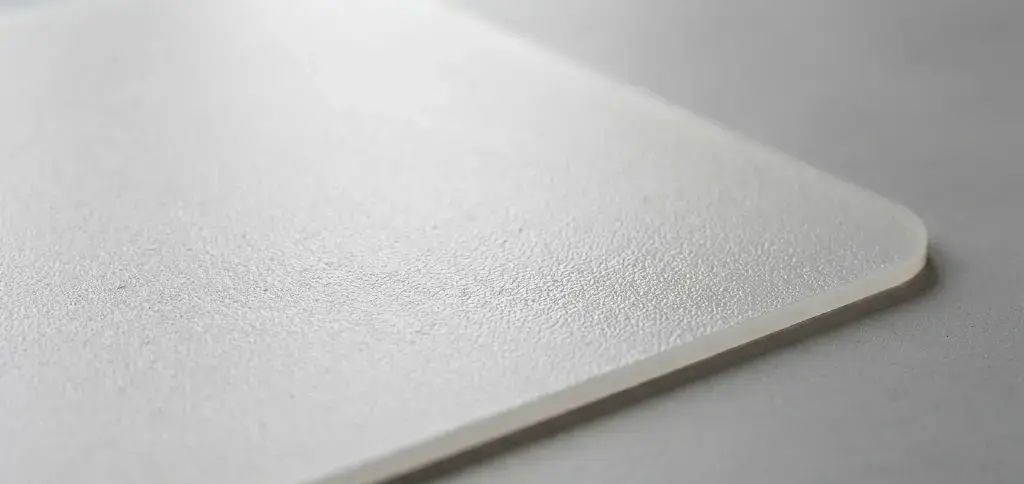
Advantages of silicone materials refer to the unique performance characteristics of silicone-based polymers that enable durability, flexibility, and resistance under
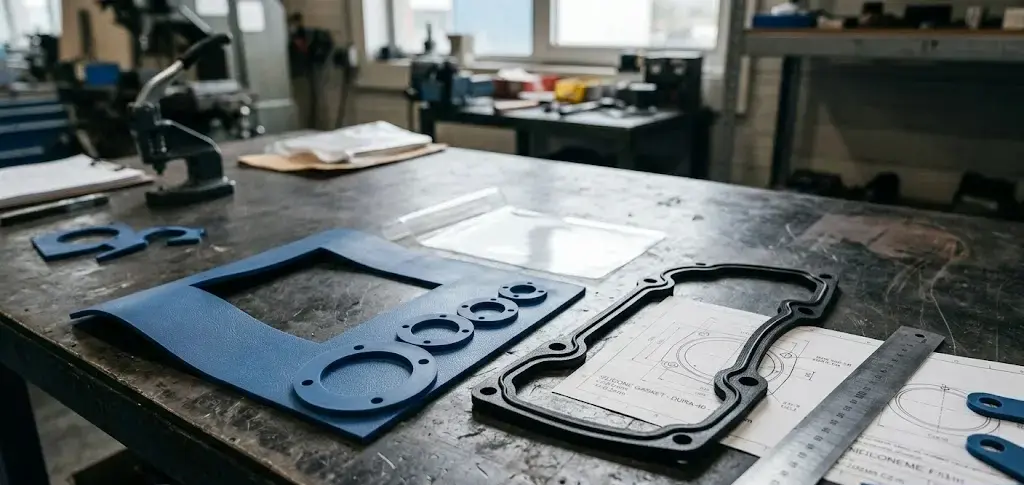
Properties of silicone rubber refer to the physical, chemical, thermal, and mechanical characteristics that determine its behavior in various applications.

Food grade silicone rubber products are regulated elastomer compounds created for food-safe applications, extensively utilized in packaging and processing systems
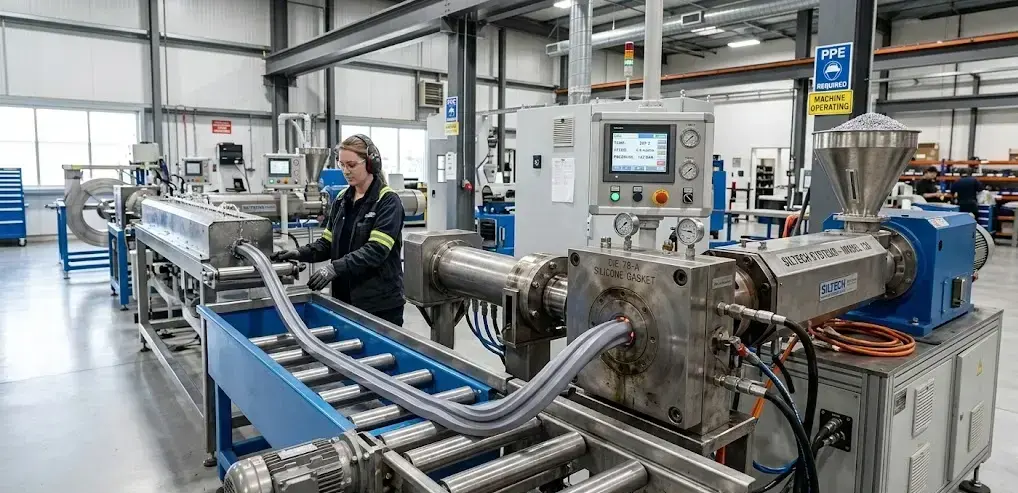
Silicone rubber extrusion manufacturers are companies that produce continuous silicone profiles by forcing uncured elastomer through a shaped die, followed
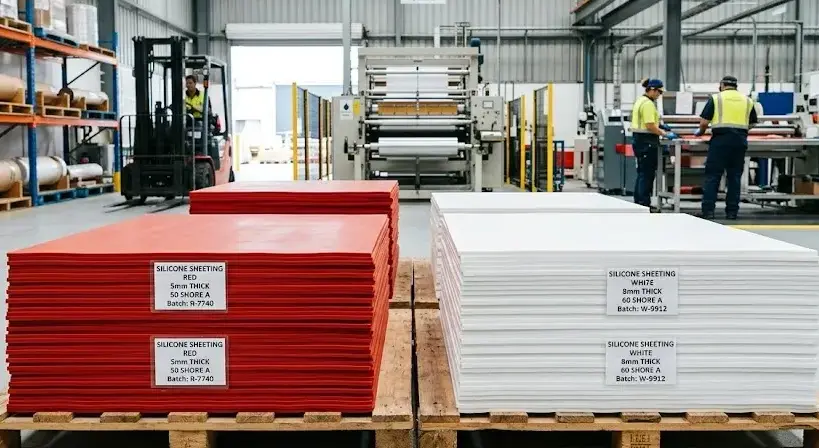
Silicone rubber sheets suppliers are vendors and manufacturers that produce and distribute silicone-based elastomer sheets for industrial, medical, and commercial