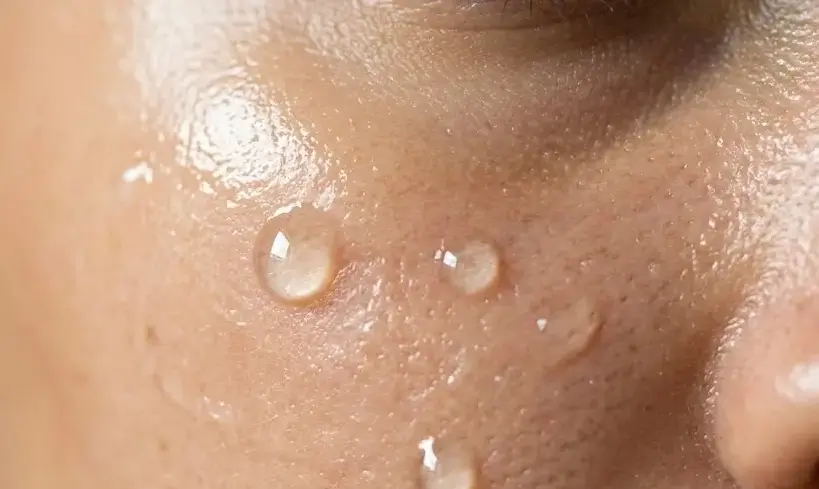
Silicones in skincare refer to a class of synthetic compounds derived from silica, used for their film-forming and conditioning properties. These ingredients help lock in moisture, smooth skin texture, and improve product spreadability. Are silicones beneficial or merely cosmetic fillers? The answer depends on the type, formulation, and intended use within a skincare routine.
KEY TAKEAWAYS
- Silicones are safe, stable, and effective skin-conditioning agents.
- Cosmetic chemists often rely on dimethicone and cyclopentasiloxane as key silicone ingredients in formulations.
- They prevent moisture loss while providing a smooth finish.
- Proper cleansing avoids buildup and maintains skin clarity.
- Environmental innovation is driving new, biodegradable silicone alternatives.
What are silicones in skincare and how do they work?
Silicones in skincare are inert, semi-occlusive ingredients that create a breathable barrier over the skin.
Mechanism of action:
- Reduce transepidermal water loss (TEWL).
- Enhance slip and spreadability of creams or gels.
- Provide a silky, non-greasy finish.
Common forms include:
| Silicone Type | Function | Example |
| Dimethicone | Moisture retention | Found in facial moisturizers |
| Cyclopentasiloxane | Lightweight emollient | Used in serums & primers |
| Phenyl Trimethicone | Gloss-enhancing | Found in illuminating creams |
What types of silicones are commonly used in skincare?
Silicones in skincare fall into two primary categories:
- Non-volatile (film-forming): Dimethicone, Trimethylsiloxysilicate – provide long-lasting smoothness.
- Volatile (evaporating): Cyclopentasiloxane, Cyclohexasiloxane – improve spreadability, leaving no residue.
Many formulations combine both to achieve optimal texture and performance, especially in anti-aging creams and sunscreens.
Are silicones in skincare safe for long-term use?
According to assessments by the European Chemicals Agency (ECHA) and the U.S. FDA, silicones like dimethicone are considered safe for skincare products.
Key safety notes:
- Non-comedogenic and hypoallergenic.
- Chemically stable and non-reactive.
- Rarely cause irritation or sensitization.
However, improper cleansing may lead to residue buildup in some users with oily or acne-prone skin.
What are the benefits of silicones in skincare formulations?
Silicones in skincare offer multiple technical and sensory benefits:
- Barrier protection: Prevents dehydration without clogging pores.
- Enhanced feel: Provides smooth, velvety texture.
- Improved product delivery: Helps distribute active ingredients evenly.
- Makeup base function: Ideal for primers to blur pores and fine lines.
These properties make silicones a preferred choice in dermatologically tested formulations for sensitive skin types.
Why do some people avoid silicones in skincare?
Some users believe silicones “suffocate” the skin or prevent absorption of active ingredients. In reality, silicones are semi-permeable—allowing gaseous exchange while minimizing water loss.
Reasons for avoidance may include:
- Personal preference for “natural” ingredients.
- Perceived buildup with non-water-soluble silicones.
- Environmental persistence of certain silicone types.
(Readers often explore related topics such as silicones in hair care, silicones in moisturizers, and non-comedogenic skincare ingredients when researching this concern.)
How should silicones fit into a skincare routine?
To include silicones effectively:
- Apply water-based serums first.
- Layer silicone-based creams or primers afterward.
- Double cleanse with micellar or oil-based removers if using heavy formulations.
This sequence ensures hydration, smoothness, and easy removal of silicone films at day’s end.
Are silicones environmentally sustainable?
Environmental considerations focus on biodegradability and bioaccumulation. While silicones are inert and non-toxic to humans, some cyclic types (e.g., D4, D5) have raised ecological concerns. Brands now shift toward biocompatible silicone alternatives and eco-certified formulations approved under COSMOS or ECOCERT standards.
Conclusion
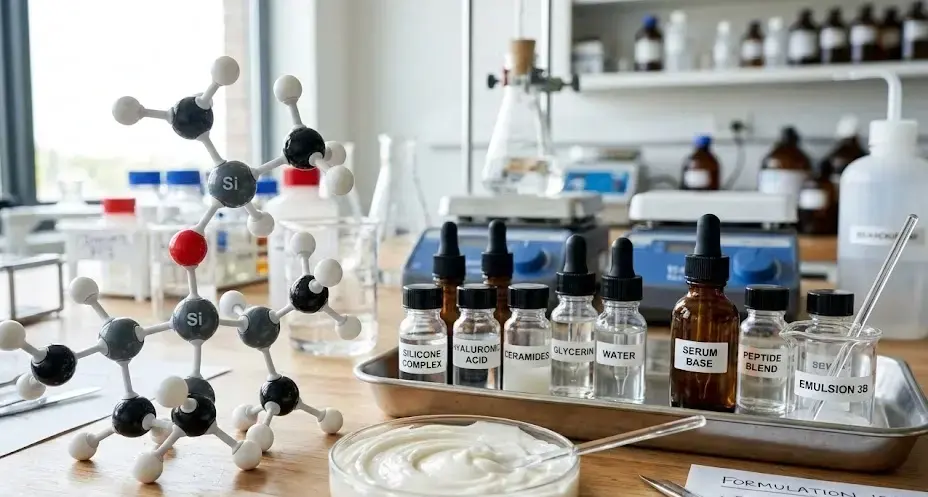
Silicones in skincare serve vital formulation functions—enhancing texture, stability, and hydration. Their dermatological safety and performance justify their continued use when properly formulated and cleansed. For further reading, explore how silicones in moisturizers contribute to barrier repair and water retention in modern skin formulations.
FAQ
What are examples of silicones in skincare?
Common examples include dimethicone, cyclopentasiloxane, phenyl trimethicone, and amodimethicone.
Why avoid silicone in skincare?
Some avoid silicones due to concerns about buildup, environmental persistence, or a preference for plant-derived emollients.
What is silicone used for in skincare?
Silicone improves texture, enhances moisture retention, and forms a smooth barrier to protect the skin.
Why avoid dimethicone?
People with oily or acne-prone skin may find dimethicone too occlusive, leading to potential buildup over time.
Are silicones bad for sensitive skin?
No. Most silicones are non-irritating, hypoallergenic, and suitable for sensitive or post-procedure skin types.
Sources
https://www.healthline.com/health/beauty-skin-care/silicones
https://pmc.ncbi.nlm.nih.gov/articles/PMC10298615/
https://www.paulaschoice.com/skin-care-advice/ingredient-spotlight/silicone-in-skin-care?srsltid=AfmBOoo–0Z31GIIn156GSzYHbfqHaPNdpccIXFJx_3DH02oPvVW-4Lc
https://www.origins.com/ingredient-gallery/silicone?srsltid=AfmBOoqDShGcMllW2ZbAJhZ8d0QR0D7_7r9heHCCJ2Qkpky7iHjItbQ8
https://www.cosmebio.org/en/reports/silicones-beauty-products-what-you-should-know-ingredient/
https://beminimalist.co/blogs/skin-care/everything-you-need-to-know-about-silicones-in-skincare-products?srsltid=AfmBOormyu7_kypXtDN31aELa6IFpImTdVgGhp0_MI2aPZSzK0L8ddYu
https://www.clinikally.com/blogs/news/6-reasons-why-people-avoid-silicones-in-skin-care?srsltid=AfmBOoot9AdtCiTXzYD5O4XnOk1924se62JB9EqZzpjsaFjlpNrad-pW
https://plumgoodness.com/blogs/ingredients/p-strong-the-role-of-silicones-in-skincare-and-hair-care-strong-p-p-p?srsltid=AfmBOopO_l-FDRYSvIfSyyixSqVeI_-LeeIs_g1_3jHH7wcmAixyeJBq