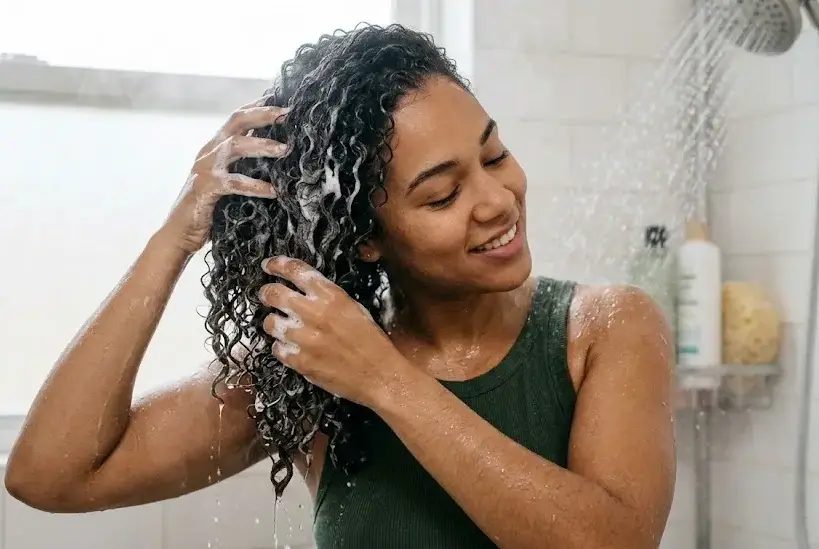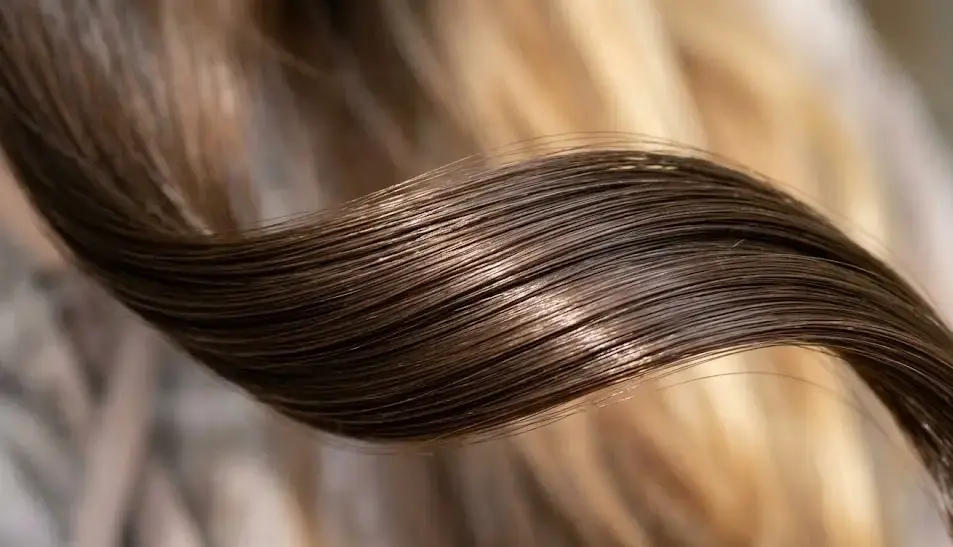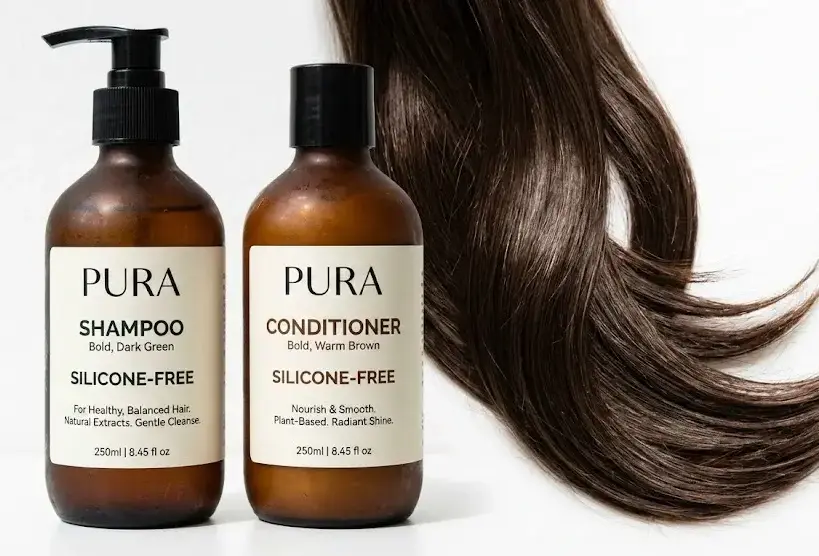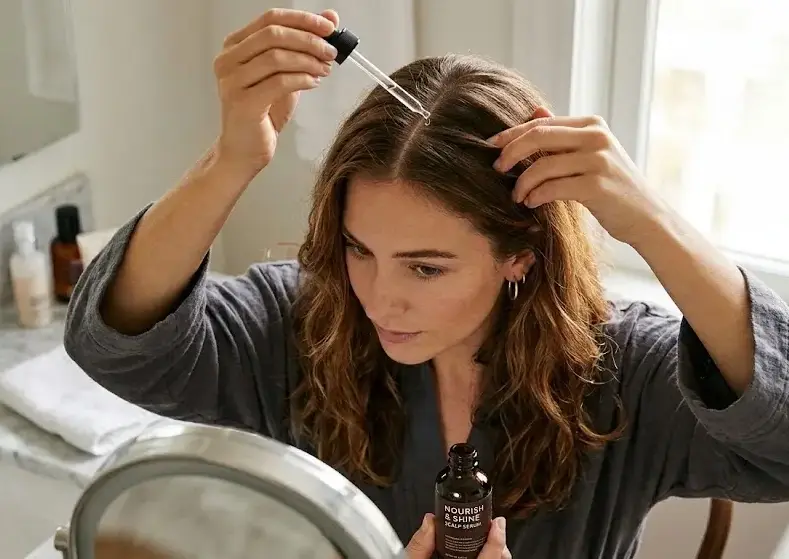
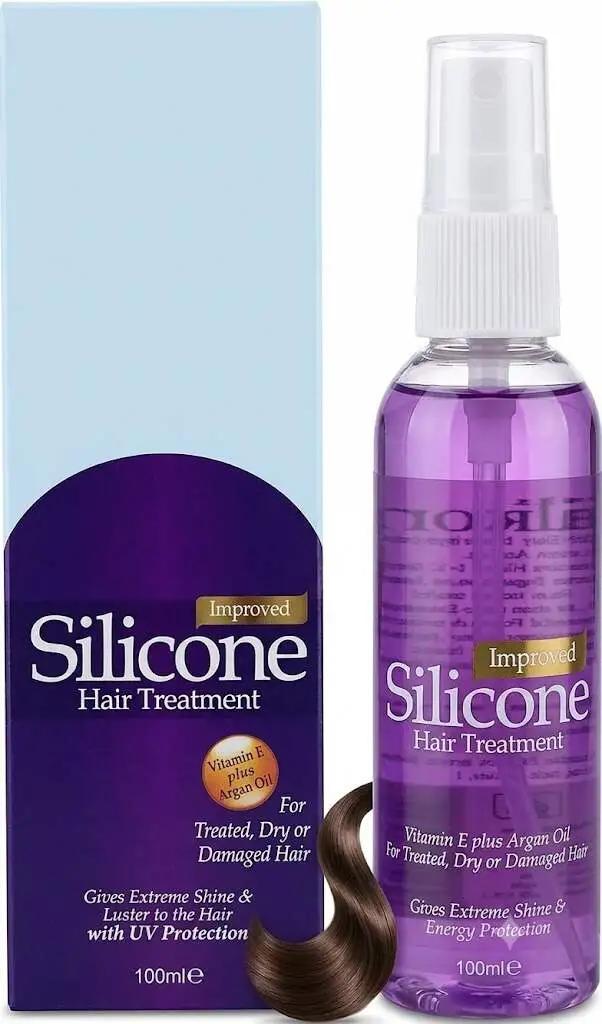
Walk down any hair care aisle and you’ll find silicone hair products everywhere, from smoothing conditioners and heat protectants to shine serums and anti-frizz creams. They’re some of the most useful ingredients in a formulator’s toolkit. They’re also some of the most argued about online.
Some people swear by them for slip and shine. Others blame them for limp, coated hair. Both camps have a point, and the truth sits somewhere in the middle. Here’s what the research and real-world experience actually tell us, so you can decide what belongs in your routine.
Key Takeaways
- Silicones are a broad family of ingredients. Dimethicone, amodimethicone and cyclic silicones all behave differently on the hair.
- They work by coating the strand to cut friction, add shine and calm frizz. They do not repair damage.
- Cosmetic silicones are generally considered safe for people. Buildup is the real debate.
- Buildup depends on the silicone type, how much you use and how often you cleanse thoroughly.
- Silicone-free hair products suit some hair types and routines, but “silicone-free” doesn’t automatically mean better.
- To choose well, match the product to your hair type, read the label and start with a small amount.
How to Choose Silicone Hair Products for Your Hair
Choosing the best silicone hair products is mostly about matching the formula to your hair and your wash routine. A few quick checks will point you in the right direction.
Start with your hair type
| Hair situation | Sensible approach |
| Fine or thin | Keep silicone hair products light and on the ends only. Clarify regularly. |
| Thick, coarse or frizz-prone | A silicone serum or cream on mid-lengths and ends can help with slip and frizz. |
| Curly or coily | Use sparingly. If you co-wash, clarify now and then. Water-soluble silicones or silicone-free leave-ins often work well. |
| Colour-treated or heat-styled | A silicone-based heat protectant can reduce friction on processed hair. Clarify gently so colour lasts. |
| Sensitive scalp | Keep products off the scalp, patch-test new ones, and see a dermatologist if irritation persists. |
Read the label
Names ending in -cone, -conol or -siloxane are silicones, and versions with “PEG-” or “copolyol” in the name are usually the water-soluble kind. The same check lets you confirm that a “silicone-free” bottle really is.
Match the product to the job
- Shampoos and 2-in-1 formulas: light silicones for a smoother feel in the shower
- Rinse-off conditioners and masks: slip and easier detangling
- Leave-in creams and serums: the most visible shine and frizz control, and the most likely to build up
- Heat protectants: a common home for silicones if you blow-dry or use hot tools
Apply them sensibly
When you try new silicone hair products, start with a pea-sized amount and work it through the mid-lengths and ends, keeping it off the roots. Smoothing creams go on damp hair, while a single drop on dry ends can add finishing shine. If your hair feels coated after a week or two, use less and clarify.
Silicone Hair Products Are a Whole Family of Ingredients
Silicones are synthetic polymers built on a backbone of silicon and oxygen atoms. In hair care, that one word covers materials that feel and behave very differently. A light, evaporating silicone and a heavy conditioning gum are both “silicone,” yet they leave very different results behind.
The practical difference comes down to how much stays on the hair and how easily water and shampoo remove it. Here’s a quick guide to the types you’ll meet most often in silicone hair products.
| Type | Often listed as | Typical job | Removal |
| Linear silicone | Dimethicone | Slip, softness and frizz control; feel depends on viscosity | Needs shampoo |
| Amine-functional | Amodimethicone | Conditioning designed to cling to damaged areas; softness | Needs shampoo; can accumulate gradually |
| Gums and hydroxylated | Dimethiconol | Long-lasting smoothness and frizz control | Needs shampoo |
| Cyclic (volatile) | Cyclopentasiloxane, cyclomethicone | Light, temporary glide that evaporates | Largely evaporates |
| Phenyl type | Phenyl trimethicone | High shine with a lighter feel | Needs shampoo |
| Water-soluble | PEG-12 dimethicone, dimethicone copolyol | Mild conditioning, common in clear shampoos | Rinses with water |
Label position matters too. Ingredients are listed from highest concentration to lowest, so a silicone near the top plays a bigger role than one tucked at the end. Concentration is only part of the story, though, so don’t judge hair products with silicone on one ingredient alone. The cleansers, oils and polymers around it change how a silicone feels on your head.
They Work as a Thin Coating, Not a Repair Treatment
When you apply silicone-based hair products, the silicone spreads into a thin, flexible film over the cuticle. That film is why damp hair feels slippery and combs through more easily. Less friction between strands means less snagging and, over time, potentially less breakage from daily brushing and styling.
In practice, that coating can:
- Add slip so wet hair detangles with less force
- Boost shine by smoothing the surface so light reflects more evenly
- Help control frizz and flyaways
- Support heat styling, since many heat protectants include them (the level of protection varies by formula)
- Leave hair feeling softer to the touch
What the coating can’t do is rebuild the inside of the hair. A strand is made of keratin that’s no longer alive, so there’s no biological repair process to switch on. Silicone hair products can make damaged hair look and feel better while they’re there, and that’s a genuine benefit. It’s just a cosmetic one.
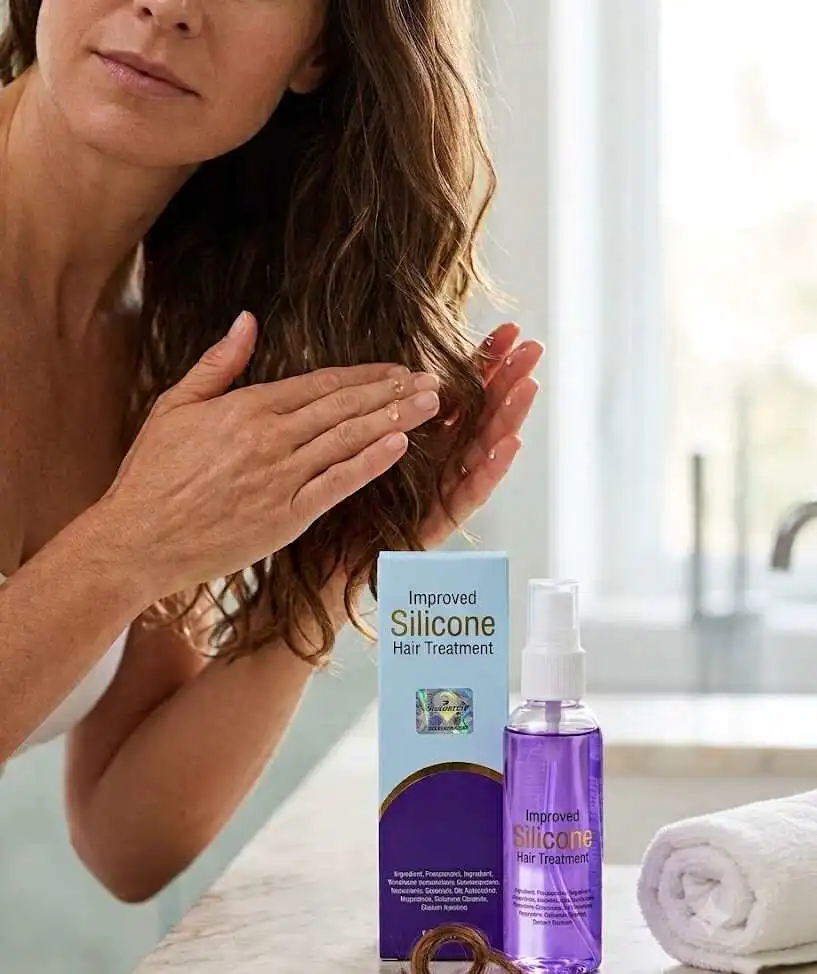
Are Silicone Hair Products Safe for Your Hair and Scalp?
Cosmetic safety reviews have generally found the silicones used in silicone-based hair products to be safe as used. Most are large molecules that stay on the surface rather than passing through skin, and true allergic reactions are uncommon.
Two claims float around online without much support: that silicones clog follicles and cause hair loss, and that they harm the scalp. No solid clinical evidence links properly rinsed silicone hair products to hair loss. If anything, lower combing friction can reduce mechanical breakage. A persistently itchy or flaky scalp is more often caused by product residue in general, another ingredient such as fragrance, or a skin condition, so a dermatologist is the right person to ask.
Buildup Is Real, but It Isn’t Inevitable
The most common complaint about silicones in hair care is buildup, and it’s a fair one. Most silicone hair products are fine in moderation, but silicones that don’t dissolve in water can stack up in layers when you use them often and don’t cleanse well. Most of what we know here comes from dermatology reviews of hair cosmetics and from stylist experience rather than large controlled trials, so it’s sensible to treat the details as likely rather than proven.
Who notices it most
- People with fine or thin hair, which is easily weighed down
- Anyone who washes with very gentle cleansers or only co-washes
- Those who layer several silicone-based hair products every day
- Curly and coily hair types that are washed infrequently
Common signs include hair that feels limp or coated, looks dull, and doesn’t respond to styling products the way it used to.
Do silicones block moisture or “suffocate” hair?
Neither idea holds up well. Hair strands aren’t alive, so they don’t breathe. And silicone films are water-repellent but generally permeable to air and water vapour. Whether a heavy film changes how well later conditioning treatments absorb is a fair question, but good research on it is limited. Claims either way are mostly brand opinion.
Silicones vs sulfates: what’s the difference?
They do opposite jobs. Silicones are conditioning ingredients that coat the hair, while sulfates are cleansing agents that lift away oil and product. Stronger cleansers remove buildup most easily. Gentle sulfate-free shampoos can clean well day to day but may struggle with heavy residue, which is why many sulfate-free routines still include an occasional clarifying wash.
How to remove silicone buildup
- Use a clarifying shampoo every one to two weeks. Start with every second week and adjust to how your hair feels.
- Massage it into the scalp, then work it down the lengths for a full minute before rinsing.
- Follow with conditioner on the mid-lengths and ends, because clarifying can feel drying.
- Cut back on heavy leave-ins. A pea-sized amount on the ends is often enough.
- If you love the glide but not the residue, switch to water-soluble or evaporating silicones.
Silicone-Free Hair Products Aren’t Automatically Better
“Silicone-free” describes what’s left out, not how well a formula performs. Plenty of silicone-free hair products deliver good slip using plant oils, conditioning agents and humectants, while others feel rough. Many silicone hair products rinse clean and cause no trouble. The better question is how your own hair responds.
If you’d rather avoid hair products with silicone altogether, look for conditioners built on fatty alcohols, cationic conditioning agents and lightweight oils. Even these can build up when overused, so the cleansing advice above still applies.
Silicones and the Curly Girl Method
The Curly Girl Method, a popular routine for wavy and curly hair, traditionally advises avoiding silicones that don’t dissolve in water, along with harsh sulfates. Followers usually switch to water-soluble silicones or silicone-free options instead. It’s a personal routine rather than a medical rule, and the label check above shows which silicones fit it.
Faqs
Are silicone hair products bad for your hair?
Not inherently. Silicones in hair care coat the strand to add slip, shine and frizz control, and they’re generally regarded as safe for people. Problems show up when non-water-soluble types are used heavily without regular clarifying, which can leave hair feeling heavy or dull.
Do silicone hair products cause hair loss?
There’s no solid clinical evidence that cosmetic silicones cause hair loss, and silicone-based hair products haven’t been linked to it in good research. Hair that seems to be shedding more may simply be breaking from buildup-related tangles, or the cause may be unrelated. Persistent or sudden shedding is worth a visit to a doctor or dermatologist.
How do I know if my shampoo or conditioner has silicone?
To spot silicone hair products, read the ingredient list for names ending in -cone, -conol or -siloxane, such as dimethicone, amodimethicone and cyclopentasiloxane. Names with “PEG-” or “copolyol” are typically water-soluble silicones.
How do you remove silicone buildup from hair?
A clarifying shampoo used every one to two weeks is the simplest fix. Lather it well, rinse thoroughly and follow with conditioner on the ends. Using less of your silicone hair products between washes helps keep buildup from returning.
Is dimethicone bad for hair?
Dimethicone is the most common silicone in hair care, and it isn’t harmful when used as intended. It adds slip and shine but needs shampoo to remove, so it can accumulate on fine hair or in low-wash routines, including curly hair that’s co-washed often.
The Bottom Line
Silicone hair products are neither villains nor miracle workers. They coat the hair to reduce friction, add shine and tame frizz, and cosmetic safety reviews generally support their use on people. The honest downside of silicones in hair care is buildup with certain types or heavy use.
What’s well established is how they work and that they’re safe as used. What’s less certain is how much they change moisture uptake and how much buildup real-world routines produce. Choose by hair type, use a light hand, and clarify when hair products with silicone start to leave your hair feeling coated. If silicones don’t suit you, there are plenty of good silicone-free hair products to try instead.