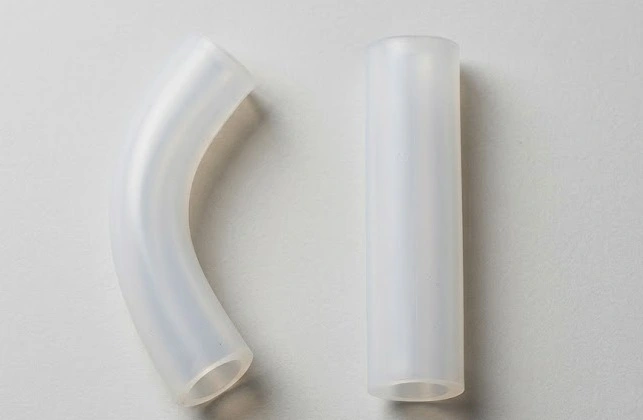
Look around your kitchen, your desk or the engine bay of a car, and there is a good chance you will spot a silicone sleeve somewhere. It might be a soft sleeve on a water bottle, a heat-proof jacket around a wire, or a grippy handle on a tool.
It looks simple, but the right silicone sleeve can protect equipment, improve grip and help a product last far longer. This guide explains what these sleeves are, how they are made, where they are used and how to pick the right one.
Key Takeaways
- A silicone sleeve is a flexible protective layer made from silicone rubber.
- It copes with heat and cold far better than most plastics.
- Grade matters, because food, medical and industrial uses need different silicone.
- Silicone resists many chemicals, but standard grades can swell in fuels and oils.
- Check the temperature rating and certificates before you buy.
- Mild soap and regular inspection keep a sleeve working for years.
What Is a Silicone Sleeve?
A silicone sleeve is a flexible protective layer made from silicone rubber. It slides, stretches or is moulded over another object, such as a cable, hose, bottle, handle or electronic device.
Its job depends on where it sits. On a wire it insulates. Around a hot pipe it shields hands. On a phone it absorbs a knock, and on a handle it adds grip.
You will also see it called a silicone protective sleeve or a silicone rubber sleeve. The names differ, but the idea is the same: a soft, durable layer between an object and whatever might harm it.
Other Things People Mean by “Silicone Sleeve”
The phrase can mean more than one thing. Depending on who is searching, it can point to a few quite different products.
- Prosthetic limb liners: soft silicone sleeves worn between a residual limb and a prosthetic socket for cushioning and suspension. A prosthetist fits these, so general sizing advice will not apply.
- Finger and toe sleeves: small silicone tubes that cushion corns, blisters and pressure points, or protect a finger during work or sport.
- Bottle and cup sleeves: grippy sleeves that insulate a drink, protect glass and stop slips.
- Laptop and phone sleeves: soft cases that guard a device against scratches and knocks.
This guide focuses on protective and insulating sleeves for cables, hoses, handles and everyday products. Most of the material, grade and care advice still carries over to the other types.
How Are These Sleeves Made?
Most sleeves are made in one of three ways.
- Extrusion pushes silicone through a die to form long tubes, which are then cut to length. It suits cable and hose sleeves.
- Compression moulding presses silicone into a heated mould, which works well for simpler custom shapes.
- Liquid silicone rubber (LSR) injection moulding fills a mould with a two-part liquid, giving precise, repeatable parts with fine detail.
One more distinction matters when you shop. A removable sleeve is made separately and fitted over the product, so you can take it off to clean or replace it. An over-moulded sleeve is moulded straight onto the part, which gives a seamless bond but cannot be removed.
Key Properties of a Silicone Sleeve
A silicone rubber sleeve owes its behaviour to a backbone of silicon and oxygen, unlike the carbon backbone of most plastics and rubbers. That chemistry explains most of what follows.
- Temperature range: standard grades usually cope with roughly -55°C to 200°C in continuous use, and some special grades go higher. Figures vary between makers, so confirm the rating on the data sheet.
- Flexibility: it stays soft in the cold, when many plastics turn stiff and brittle.
- Electrical insulation: it is a good insulator for wires, connectors and electronic parts.
- Weather and chemical resistance: it stands up well to water, sunlight, ozone and many chemicals.
- Safety: food-grade and medical-grade silicone is non-toxic and rarely causes allergic reactions.
- Grip and cushioning: the soft surface holds well and absorbs shock.
Flame and Voltage Ratings
Heat resistance and flame resistance are not the same thing. A sleeve can handle 200°C every day and still burn if it meets a naked flame.
For fire behaviour, buyers usually look for a UL 94 rating, such as V-0, which shows a material stops burning quickly once the flame is removed. Standard silicone is not automatically flame retardant, so ask for a flame-retardant grade when fire safety matters.
For wire sleeves, voltage rating counts as well. Check the rated voltage and dielectric strength on the data sheet, and never assume a general-purpose sleeve is safe for mains or high-voltage use.
Types of Sleeve by Material
Not every sleeve is the same inside. The grade decides where it can safely be used.
- General-purpose silicone: affordable and well balanced, suited to everyday sleeves and non-critical protection.
- Food-grade silicone: made for contact with food and drink. Look for FDA or LFGB compliance.
- Medical-grade silicone: made for skin or device contact. Look for biocompatibility testing such as ISO 10993 or USP Class VI.
- Fluorosilicone: resists fuels, oils and solvents better, so it suits places where standard silicone would swell.
- Silicone-coated fibreglass: a woven glass sleeve with a silicone coating, used where heat is extreme, such as around hoses and wiring near engines.
Quick Reference: Which Grade Fits Which Job?
If you are skimming, this table sums up the grades above.
| Grade | Best use | What to check |
| General-purpose | Everyday sleeves, handles and non-critical protection | Temperature rating and wall thickness; not for food or skin contact |
| Food-grade | Bottle, jar and kitchen sleeves | FDA or LFGB compliance, and certificates from the maker |
| Medical-grade | Skin contact, instrument and tubing sleeves | ISO 10993 or USP Class VI, and which sterilisation method it can survive |
| Fluorosilicone | Places with fuel, oil or solvent exposure | Chemical compatibility chart; it usually costs more |
| Silicone-coated fibreglass | Extreme heat around hoses and wiring near engines | Maximum temperature, fit and coating wear over time |
Colours and Finishes
Colour and surface are not only cosmetic. They change how a sleeve looks, feels and performs.
- Matte: hides fingerprints and scuffs, and feels soft in the hand.
- Glossy: smooth and easy to wipe clean, though it shows marks more readily.
- Textured: ribs, dots or a stippled surface improve grip, which helps on handles and wet bottles.
- Printed or branded: logos can be screen-printed, embossed or laser-engraved. Ask how well the print holds up to washing and wear.
Colour can help with safety too. Bright or contrasting shades make wiring and tubing easy to identify. If a sleeve will touch food or skin, confirm that the pigment meets the same standard as the silicone itself.
Where Are Silicone Sleeves Used?
- Electronics and wiring: a silicone sleeve on cables, connectors, remotes and cameras guards against drops and scratches.
- Automotive: a silicone protective sleeve shields hoses, wiring harnesses and sensors from heat and vibration.
- Kitchen and drinks: bottle sleeves, jar sleeves and hot-handle sleeves add grip and protect hands.
- Medical: instrument and tubing sleeves need to be clean and easy to sterilise.
- Sports and tools: handles on bikes, bottles and gym equipment stay secure even when wet.
- Industrial equipment: sleeves shield parts from heat, chemicals and mechanical wear.
Benefits and Limitations of a Silicone Sleeve
The benefits are easy to list. A good silicone sleeve is durable, handles a wide temperature range, wipes clean, comes in safe grades for food and medical use, and can be customised in colour, thickness and texture.
Most product pages skip the downsides, though, and they matter.
- Silicone has lower tear and abrasion resistance than some tougher rubbers, so sharp edges can cut it.
- Standard grades swell when exposed to many fuels and oils.
- The surface tends to attract dust and lint.
- It usually costs more than PVC or basic rubber.
Knowing these limits helps you choose the right grade, rather than rule silicone out.
Silicone vs Other Sleeve Materials
- PVC is cheaper, but it typically stiffens in the cold and has a lower heat ceiling.
- Neoprene resists oil well, but its temperature range is usually narrower than silicone’s.
- TPU and TPE are tougher against abrasion, though they are generally less heat resistant.
No material wins everywhere. Choose by the conditions the sleeve will actually face.
How to Choose the Right Silicone Sleeve
- Note the highest and lowest temperatures the sleeve will meet, including short spikes.
- Pick the right grade, and ask for certificates if it will touch food or skin.
- Consider chemical exposure. If fuels or oils are involved, look at fluorosilicone.
- Measure carefully. The sleeve should fit snugly without being stretched to its limit.
- Choose hardness and wall thickness. Softer silicone grips and cushions, harder silicone holds its shape, and thicker walls protect more.
- For custom sizes, colours or textures, ask the supplier about lead time and minimum order quantity.
- Request data sheets and test reports from the maker before placing a large order.
How to Fit a Silicone Sleeve
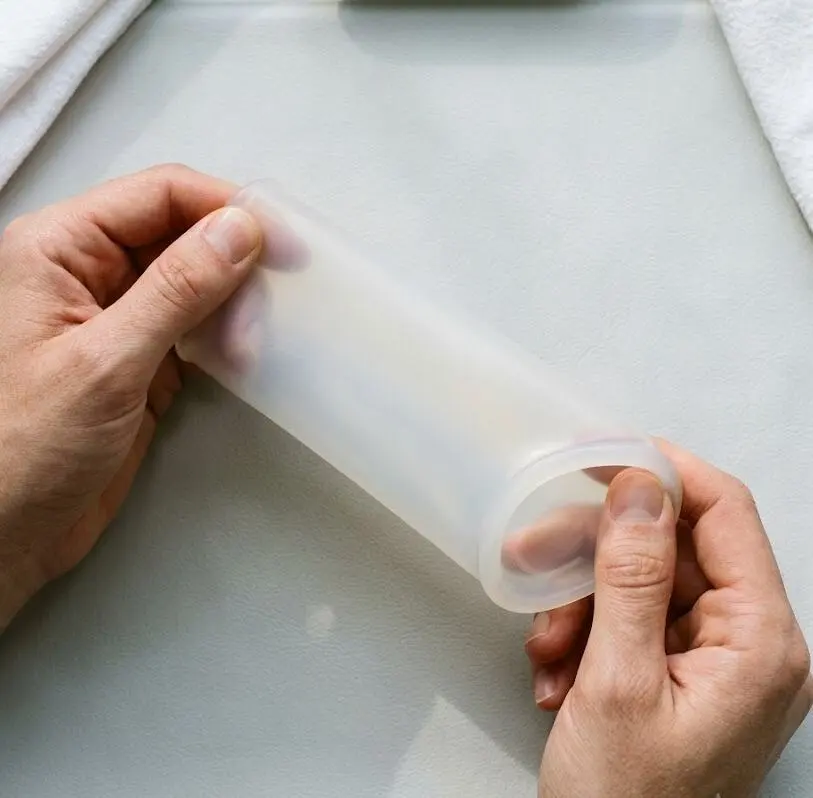
A sleeve only works if it fits. Too loose and it slips or leaves gaps. Too tight and it can tear or split.
- Measure the inner diameter: check the widest point of the object the sleeve will cover. Use calipers or a flexible tape for round items, and measure width and depth for flat or odd shapes.
- Measure the length, and add a little extra if the sleeve needs to overlap or sit past an end.
- Choose a size slightly smaller than the object so it grips, but not so small that it stretches to its limit.
- To slide it on, wet the object or the inside of the sleeve with a little water or mild soapy water. Push on gently with a slight twist and let it dry. Avoid oil-based lubricants, which can make standard silicone swell.
If a sleeve is too tight, add a little more lubricant and work it on slowly, or move up one size. If it is too loose, size down or choose a thicker wall for a firmer hold. A sleeve that keeps sliding off should be replaced, not forced to fit.
What Affects the Price of a Silicone Sleeve?
Prices vary widely, so it helps to know what drives them.
- Grade: food-grade and medical-grade sleeves cost more than general-purpose ones because of the materials and the testing.
- Size and wall thickness: larger and thicker sleeves use more silicone.
- Custom tooling: a custom shape needs a mould, which adds a one-off cost.
- Order quantity: larger runs spread the tooling cost and usually lower the price per piece.
- Extras: special colours, printing, textures or certificates can add to the total.
Ask suppliers for a quote that separates tooling from the per-piece price, so you can compare offers fairly.
How to Clean and Care for Your Sleeve
- Wash with mild soap and warm water. Use the dishwasher only if the label allows it.
- Avoid solvents and rough scouring pads.
- Rinse or wipe off dust and lint, which silicone attracts.
- Check regularly for cracks, tears or hardening.
- Store a silicone rubber sleeve away from direct sunlight and heat.
- Replace a damaged sleeve straight away if it is used for insulation, food or medical purposes.
How Long Does a Silicone Sleeve Last?
There is no single answer. A sleeve kept in a drawer can last for many years, while one near a hot engine or in strong sunlight ages faster. Heat, UV light, chemicals and constant flexing all shorten its life.
These signs tell you it is time to replace it:
- Hardening: it feels stiff instead of soft and springy.
- Cracking or tears: even small splits can spread.
- Stickiness: a tacky surface that stays after cleaning.
- Discolouration: yellowing or dark patches, often caused by heat or chemicals.
- A loose fit: it no longer grips the way it used to.
Check a sleeve at regular intervals, and replace it sooner when it protects wiring, food or medical equipment.
Is It Safe and Eco-Friendly?
Safety depends on matching the grade to the job. Food-grade and medical-grade versions are tested for those uses, while industrial grades are not meant for food or skin. Be cautious with cheap products that carry no certificates.
On the environmental side, silicone lasts a long time, so fewer replacements are needed. It does not biodegrade, though, and recycling is limited. Specialist facilities can process it, but ordinary kerbside collection rarely accepts it.
Faqs
What is a silicone sleeve used for?
It is used to protect, insulate, cushion or add grip. Common examples include sleeves for cables, hoses, bottles, handles, devices and instruments.
Is a silicone sleeve heat resistant?
Yes. Standard grades usually handle about 200°C in continuous use. For higher heat, look at special grades or silicone-coated fibreglass, and always check the rating on the data sheet.
Is a silicone sleeve food safe?
Only if it is food-grade. Look for FDA or LFGB compliance, because not every sleeve is made for contact with food.
How do you clean a sleeve made of silicone?
Wash it with mild soap and warm water, then let it dry. Avoid solvents and abrasive pads, and check the label before using a dishwasher.
Can you get a custom sleeve made?
Yes. Many makers can adjust the size, wall thickness, colour, texture and extras such as ribs or flanges on a silicone protective sleeve. You will usually need to share a drawing or sample, and minimum order quantities vary.
Conclusion
In short, a silicone sleeve is a simple, tough and flexible way to protect, insulate or add grip to almost anything. Match the grade to the job, check the temperature rating, get the fit right, and look after it with mild soap and regular checks. Do that, and it should serve you well for years.