Silicone feet are small, soft and surprisingly useful. You will find them under laptops, chairs and kitchen gadgets. You will also find them inside shoes as cushioning pads, and in medical care as cosmetic toe and foot prostheses. The name covers a lot of ground, so it pays to know what each type does before you spend any money.
This guide explains what these pads are, where they work best, how to choose the right one and how to keep it in good shape.
Key Takeaways
- Silicone feet are grippy, flexible pads moulded from silicone rubber.
- They protect floors, soak up vibration and stop things from sliding.
- Silicone handles heat and sunlight better than natural rubber.
- Shoe pads add comfort but do not treat foot conditions.
- People with diabetes should ask a podiatrist before using shoe pads.
- Hardness, size, fitting and certificates decide how well a pad performs.
- Foot pain that lasts needs a doctor, not just a new pad.
What Are Silicone Feet?
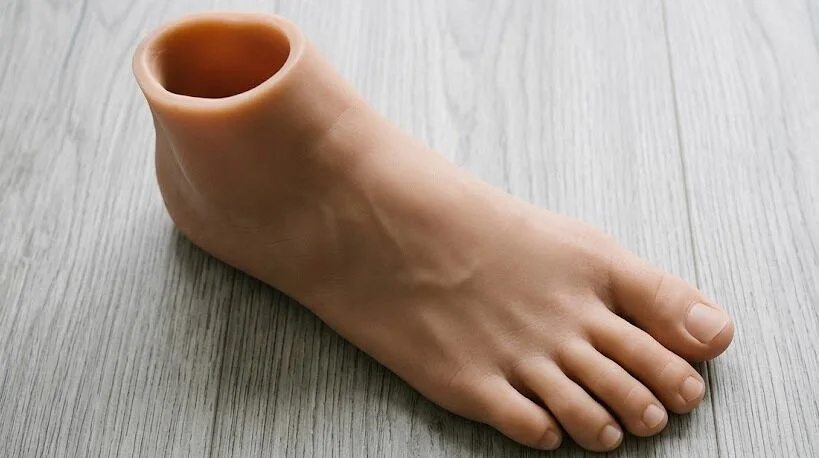
Silicone feet are soft pads, caps or moulded shapes made from silicone rubber. They range from tiny round bumpers to full foot-shaped models used in training.
Silicone is a flexible polymer. It squashes under pressure, then springs back to its original shape. General-purpose grades work from about -50°C to 200°C, and high-temperature grades reach 300°C.
That stability explains why silicone rubber feet turn up on kitchen appliances and electronics. The surface is smooth and non-porous, so it wipes clean easily and suits products that touch skin or food, provided the right grade is used.
5 Common Uses of Silicone Feet
1. Furniture and Floor Protection
This is the use most people know. A small pad under a chair, table or cabinet leg helps prevent scratches and cuts down on scraping noise. Self-adhesive versions are popular because they stick on without tools.
2. Electronics and Appliances
Laptops, speakers, routers and blenders often sit on small silicone bumpers. The pads absorb vibration and stop the device creeping across a desk. Heat-resistant grades are used where equipment runs warm.
3. Comfort Pads for Shoes
Silicone foot pads and insoles cushion the heel and the ball of the foot. They absorb shock and can make a long day on your feet feel less punishing.
They are comfort aids, though. They do not cure plantar fasciitis, flat feet or other problems. If pain keeps coming back, see a doctor or podiatrist.
4. Cosmetic Toe and Foot Prostheses
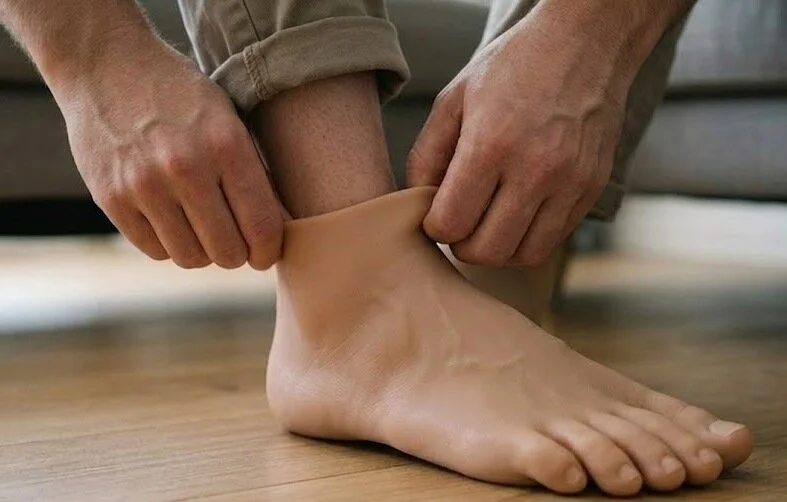
In prosthetics, flexible cosmetic silicone toe and foot prostheses restore the look of a missing toe or part of the foot. A specialist shapes and colours them to match the wearer’s skin tone.
These are custom medical devices. They come from a prosthetist, not a hardware shop.
5. Practice and Display Models
Nail technicians and pedicure students train on life-size silicone foot models, and tattoo artists use them for practice. Retailers also use them to show off jewellery and socks.
Common Types and Shapes
Furniture and device silicone rubber feet come as round bumpers, square pads, domed pads, tapered feet, chair-leg caps and screw-in feet with a threaded stem.
Shoe accessories include insoles, heel pads and toe spacers. Practice models are usually sold as left and right feet, often with a clamp or stand.
Silicone Socks and Gel Insoles
Many shoppers who search for silicone feet actually want something to wear. Two products cover most of that demand: silicone socks and gel insoles.
Silicone socks are stretchy sleeves worn over moisturiser to keep it against dry heels, so the cream soaks in. Gel insoles and heel cups sit inside the shoe and cushion the foot. Both are comfort and skin-care aids, not treatments.
Do silicone socks work for cracked heels?
They help moisturiser stay in contact with the skin, which can soften dry, rough heels over time. They will not heal deep, bleeding or painful cracks, and those need a doctor or podiatrist.
Can you wear gel insoles all day?
Many people do. Take them out at night so they can air, wash them regularly, and stop if you notice rubbing, redness or irritation.
Are silicone socks and insoles safe with diabetes?
Ask a podiatrist first. Reduced feeling in the feet can hide rubbing, blisters and sores, so any new sock or insole needs daily foot checks.
Silicone vs Natural Rubber
Both materials stay flexible in the cold, down to about -50°C. Heat is where they split. Natural rubber starts to break down at around 80°C, while silicone keeps working at far higher temperatures.
Silicone also resists sunlight, ozone and weathering much better, so it suits outdoor and kitchen use. Natural rubber wins on abrasion and tear strength. If a pad will be dragged or scuffed all day, that matters.
| Feature | Silicone | Natural rubber |
| Heat | Works to about 200°C (high-temperature grades reach 300°C) | Starts to break down at around 80°C |
| Cold | Flexible down to about -50°C | Flexible down to about -50°C |
| Sun, ozone and weather | Resists them well | Degrades faster outdoors |
| Abrasion and tear | Wears faster when dragged or scuffed | Stronger and longer-lasting |
| Skin and food contact | Food-grade and medical-grade options; latex-free | Can trigger latex allergy |
| Best for | Kitchens, outdoors, hot electronics | Pads that get dragged or scuffed daily |
How to Choose the Right Silicone Feet
Not every set of silicone rubber feet suits every job. Run through these checks before you buy.
Hardness. Hardness is measured on the Shore A scale. Softer pads, around 20A, damp vibration well. Firmer pads, closer to 70A, stay stable under heavy loads.
| Shore A | Feel | Best for |
| 20A–30A | Very soft, squashy | Vibration damping, light electronics, cushioning pads |
| 40A–50A | Medium-soft | General use: keyboards, speakers, routers, small appliances |
| 60A–70A | Firm | Heavy loads: cabinets, furniture, machines |
| 80A and above | Very firm | Industrial footing where stability matters more than grip |
Size and load. Match the diameter and height to the surface, and check the weight rating if the pad will carry a heavy cabinet or machine.
Fitting type. Pads come self-adhesive, screw-in or push-fit. Adhesive backing is quick, but clean the surface first so it sticks properly.
Material grade. Food-grade silicone suits items near food. For anything worn on the skin for hours, look for medical-grade material and ask the seller for test certificates.
Certificates. Business buyers should ask for RoHS and REACH compliance, FDA food-contact compliance for kitchen items, and ISO 10993 or USP Class VI testing for medical use.
Heat and weather. Check the temperature rating for ovens or hot equipment. Silicone resists UV well, which helps outdoors.
Price. Wholesale listings in October 2026 showed basic furniture pads at a few cents each in bulk, practice feet at roughly $12 to $100, and prosthetic foot units at a few hundred dollars. Prices vary by supplier and order size.
Pros and Cons
The strengths are easy to list. Silicone grips well, handles heat and sunlight, wipes clean and dampens noise.
The weak spot is abrasion. Silicone pads wear faster than natural rubber when they are dragged or scuffed. Quality also varies between suppliers, so ask for samples and certificates before a large order.
How to Care for Silicone Pads
Wash them in warm water with mild soap, rinse well and let them dry fully. Keep them away from fuels and strong solvents, which can attack silicone. Replace any pad that is cracked, flattened or worn through.
Silicone foot pads for shoes need extra attention. Take them out after wear so they can air, and wash them regularly.
Safety Notes Before You Buy
If you have diabetes, ask a podiatrist before using any new insole or pad. Nerve damage can stop you feeling rubbing or sores, so check your feet and the inside of your shoes every day.
Everyone else should stop using a pad if redness, itching or a rash appears. Test silicone pads on a hidden spot first if you own delicate flooring.
Small pads can also be a choking hazard, so keep them away from young children and pets.
Medical review note: This guide is general information, not medical advice. See a podiatrist or doctor for ongoing foot pain, diabetes-related foot care, open wounds or any skin reaction to silicone.
Faqs
What are silicone feet used for?
Most are used to protect floors, reduce vibration and add grip under furniture and devices. Others are cushioning pads for shoes, cosmetic foot prostheses or practice models for nail and tattoo training.
Are silicone feet good for your feet?
Silicone foot pads and insoles can absorb shock and reduce rubbing, so many people find them comfortable. They will not fix an underlying condition, and ongoing pain should be checked by a healthcare professional.
Do silicone feet damage floors?
They are soft, so they are generally gentle on floors. Grit trapped under a pad can still scratch, so wipe the floor and the pad now and then.
How do you clean silicone feet?
Wash them in warm, soapy water, rinse and dry thoroughly. Avoid abrasive scrubbers and strong solvents.
How long do silicone feet last?
It depends on load, heat, sunlight and how much the pad is scuffed. Silicone has fairly low abrasion resistance, so pads that get dragged wear out sooner. Check them every few months and replace worn ones.
Bottom Line
Silicone feet are a cheap, simple upgrade that protects surfaces, calms vibration and, in the right form, adds comfort or even restores appearance. Choose by hardness, size, fitting and certificates, keep them clean, and see a professional for anything medical.