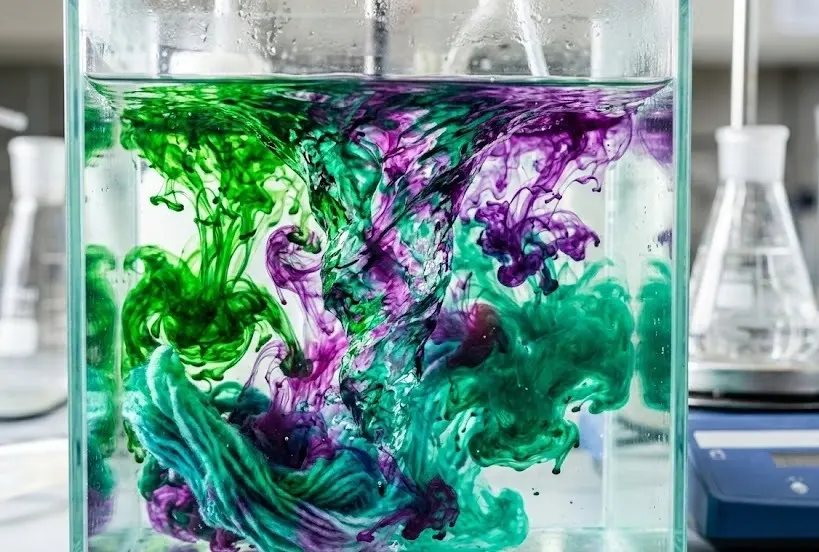
Chemical pretreatment of textile for colouration refers to the sequence of chemical and mechanical treatments applied to raw fabrics to remove natural and added impurities before dyeing. These steps ensure that fibres are clean, hydrophilic, and ready to accept dyes evenly. Why is this stage crucial for achieving vibrant, long-lasting colours in textiles?
Key Takeaways
- Pretreatment is essential for uniform colouration and quality control.
- Common stages include desizing, scouring, bleaching, and mercerization.
- The type of fibre and the target finishing effect guide the selection of suitable chemicals.
- Eco-friendly enzyme and plasma technologies are gaining adoption.
- Adherence to standards such as ISO and ZDHC guarantees environmentally responsible production.
What Is the Purpose of Chemical Pretreatment of Textile for Colouration?
The primary objective of chemical pretreatment is to clean and prepare textiles for effective colouration.
Key goals include:
- Removing waxes, oils, pectins, and sizing agents.
- Enhancing fibre absorbency and uniform dye uptake.
- Ensuring compatibility with reactive, vat, or disperse dyes.
This process also improves print sharpness and fabric softness, directly affecting product quality and finishing.
Which Chemicals Are Commonly Used in Textile Pretreatment?
Common chemical agents include:
| Process Stage | Typical Chemicals | Function |
| Desizing | Enzymes, acids | Removes starch-based sizing agents |
| Scouring | Sodium hydroxide, surfactants | Removes natural fats and waxes |
| Bleaching | Hydrogen peroxide, stabilizers | Increases whiteness and dye affinity |
| Mercerization | Sodium hydroxide | Improves strength and lustre |
| Neutralization | Acetic acid | Restores pH balance |
The term textile chemical liquid is typically referenced along with enzymatic detergents, surface-active agents, and bio-degradable softeners designed for eco-oriented pretreatment applications.
How Does Fabric Type Influence the Pretreatment Process?
Pretreatment varies based on fiber composition:
- Cotton: Requires enzymatic desizing and alkaline scouring to remove cellulose impurities.
- Wool and Silk: Gentle treatment with mild detergents to prevent damage.
- Polyester: Involves alkali reduction and heat setting for surface cleaning and stability.
Blended fabrics often need dual-phase treatments optimized for each component fibre.
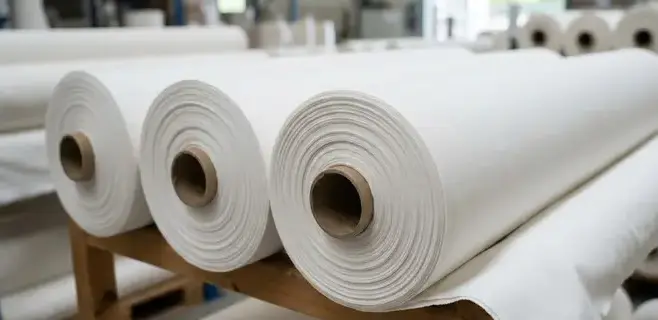
What Are the Main Steps in the Chemical Pretreatment of Textile for Colouration?
The process typically includes:
- Desizing – Eliminates size materials applied during weaving.
- Scouring – Removes natural and added impurities.
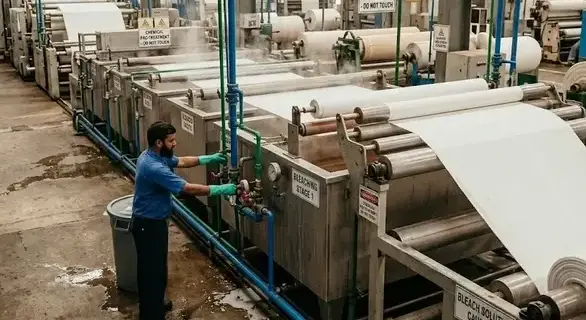
- Bleaching – Enhances whiteness and prepares fabric for light shades.
- Mercerization (optional) – Alters fibre structure for better dye penetration.
- Neutralization and Drying – Balances pH and prepares fabric for colour application.
What Quality Parameters Are Controlled During Pretreatment?
To ensure efficiency and uniformity:
- pH control: Maintains optimal chemical activity.
- Temperature regulation: Prevents fibre degradation.
- Wettability index: Ensures complete chemical penetration.
- Whiteness index and absorbency: Evaluated before dyeing for process validation.
Standards such as ISO 105-A03 (for colour fastness) and AATCC protocols guide quality assurance during these stages.
How Does Chemical Pretreatment Impact Dyeing Performance?
Proper pretreatment:
- Increases colour uniformity and brightness.
- Enhances dye-fibre bonding for long-lasting shades.
- Reduces dye and water consumption during processing.
In contrast, inadequate pretreatment can result in uneven dyeing, poor fastness, and surface staining.
What Are Emerging Eco-Friendly Alternatives in Textile Pretreatment?
The industry increasingly adopts sustainable practices such as:
- Enzyme-based scouring instead of caustic soda.
- Low-temperature bleaching using stabilizers and catalysts.
- Plasma and ultrasonic treatments to reduce chemical load.
These technologies conform to leading global environmental standards such as Zero Discharge of Hazardous Chemicals (ZDHC) and REACH compliance norms.
Conclusion
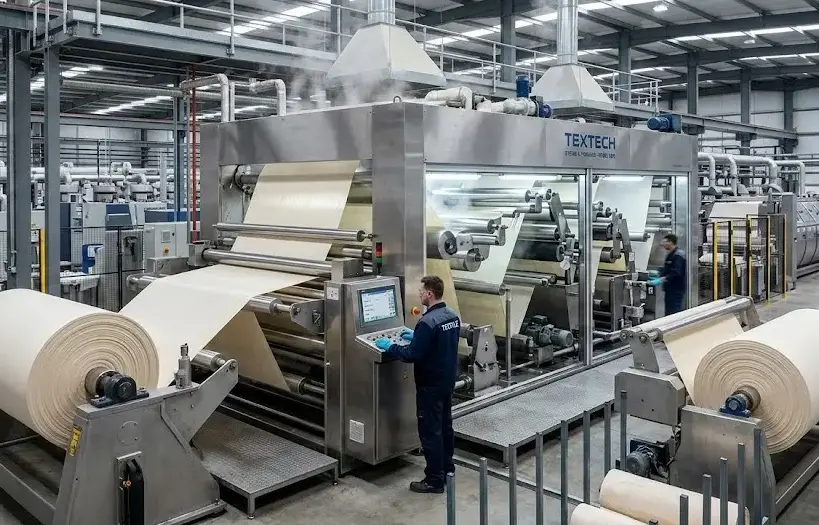
Chemical pretreatment of textile for colouration ensures fibres are chemically and physically ready for uniform dye uptake, resulting in higher-quality and more sustainable products. As textile innovation progresses, eco-based pretreatment methods will define future dyeing standards. To explore fabric finishing beyond colouration, consider understanding what chemicals can waterproof a textile like canvas for advanced performance finishing.
FAQ
What is the pre treatment process of cotton fabric?
It involves desizing, scouring, bleaching, and mercerization to remove impurities and improve dye affinity.
What is the pre treatment process of dyeing?
Pretreatment cleans and prepares fabric surfaces using chemicals to enhance dye absorption and uniformity.
What chemicals are used in fabric dyes?
Reactive, direct, vat, acid, and disperse dyes are used, often with auxiliaries like wetting agents and leveling agents.
What do we soak the fabric in before we apply the dye?
Fabric is typically soaked in a dye bath containing water, dye solution, and auxiliaries such as salt and alkali for fixation.
Sources
https://www.sciencedirect.com/science/article/pii/B9780323852043000221
https://fineotex.com/helpie_faq/what-are-textile-dyeing-chemicals-and-what-are-the-functions-of-textile-dyeing-chemicals/
https://www.colourinn.in/relevance-of-pre-treatment-in-textile-processing/
https://nptel.ac.in/courses/116102016
https://dir.indiamart.com/impcat/textile-pretreatment-chemicals.html
https://www.fibre2fashion.com/industry-article/9517/cotton-fabric-pre-treatment-processes-for-better-dyeing-printing-effects
https://reports.fashionforgood.com/report/textile-processing-guide-pre-treatment-colouration-and-finishing/chapterdetail?reportid=547&chapter=5