
A Masters in Textile Dyes & Chemicals is a postgraduate program emphasizing the chemical and material science behind textile coloration and finishing. It integrates polymer chemistry, dye synthesis, and eco-friendly processing techniques to enhance fabric performance and sustainability. How does this specialized degree shape global textile innovation and industrial standards
Key Takeaways
- Focuses on dye synthesis, fiber chemistry, and eco-friendly processing
- Requires a relevant undergraduate degree and entrance qualification
- Offers global career scope in textile innovation and sustainability
- Leading programs include IIT Delhi, ICT Mumbai, and NCSU
- Supports industrial research aligned with green textile production
What Does a Masters in Textile Dyes & Chemicals Cover?
The program covers advanced studies in the chemistry, synthesis, and application of dyes, pigments, and textile auxiliaries.
Key subjects include:
- Dyeing and printing technology
- Textile polymer science
- Chemical processing and finishing
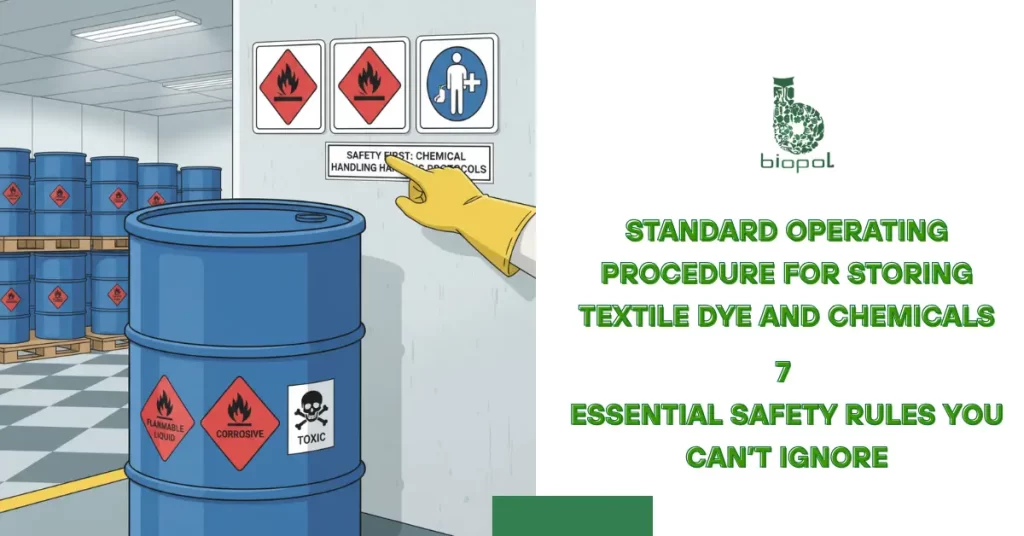
- Environmental management and effluent treatment
- Advanced fiber chemistry
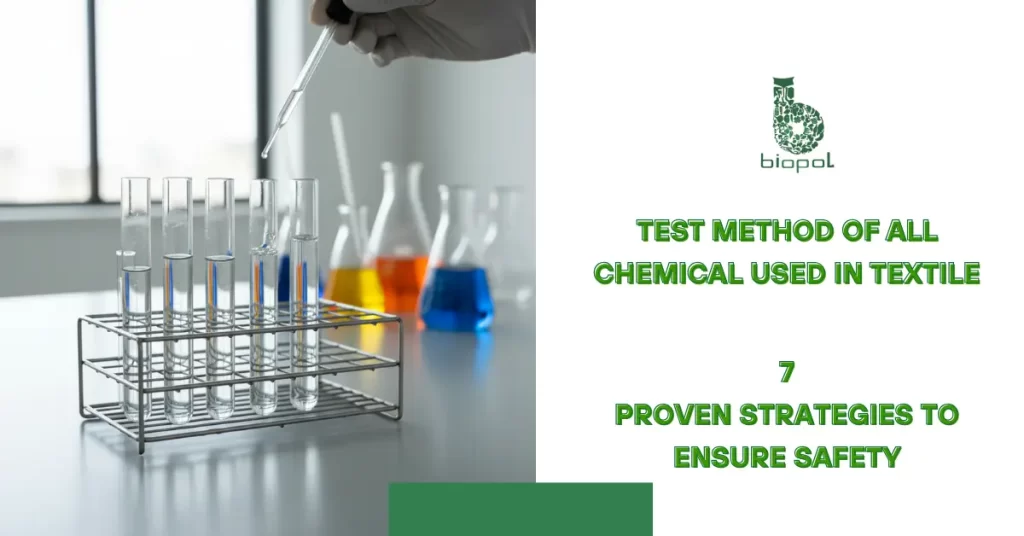
The curriculum integrates experimental lab work and industrial training to reinforce conceptual understanding through practice.
What Is the Eligibility for a Masters in Textile Dyes & Chemicals?
Eligibility for the Masters in Textile Dyes & Chemicals generally includes:
- a Bachelor’s degree in Textile Technology, Chemical Engineering, or Applied Chemistry.
- Minimum 55–60% aggregate marks (varies by institute)
- Entrance exams such as GATE, ICT Entrance, or university-level assessments
For example, M.Tech Textile Technology eligibility at IIT Delhi includes a valid GATE score and strong academic performance in undergraduate textile studies.
Which Institutions Offer a Masters in Textile Dyes & Chemicals?
Top institutions offering this specialization include:
| Institution | Program | Highlights |
| IIT Delhi | M.Tech in Textile Technology | Renowned for fiber and dye innovation research |
| ICT Mumbai | M.Tech in Textile Chemistry | Focuses on chemical processing and green technologies |
| NCSU (USA) | MS in Textile Chemistry | Globally recognized curriculum on color science |
| Anna University | M.Tech Textile Chemistry | Industry-linked research and dyeing labs |
Learners also explore M Tech Textile Technology Distance Education and online masters in textile dyes & chemicals options from global platforms.
What Are the Core Career Paths After Completing the Program?
Graduates can work across textile, chemical, and R&D sectors in roles such as:
- Textile Chemical Engineer
- Coloration Scientist
- Process Development Specialist
- Quality Control Analyst
- Sustainability Consultant
Industries demand experts capable of developing eco-friendly dyeing solutions that meet REACH and OEKO-TEX® standards.
How Does a Masters in Textile Dyes & Chemicals Contribute to Sustainability?
The program emphasizes green chemistry, waste reduction, and water-efficient dyeing methods. Students learn to:
- Engineer sustainable dyes and textile auxiliaries that minimize ecological footprint.
- Apply enzymatic and digital coloration technique.
- Optimize processes for zero-liquid discharge (ZLD)
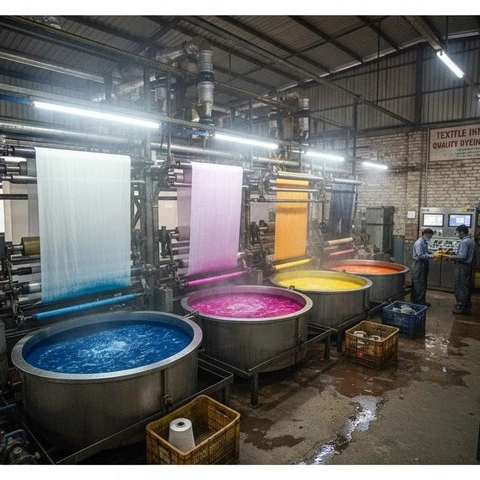
A textile chemical liquid is often studied alongside textile auxiliaries, modifier agents, and finishing chemicals to ensure performance and environmental compliance.
What Are the Global and Industrial Applications of Textile Dyes and Chemicals?
Applications include:
- High-performance sportswear
- Medical and protective fabrics
- Smart textiles and nanocoatings
- Sustainable fashion production
Multinational companies collaborate with universities for innovations in fiber-reactive dyes and bio-based colorants, expanding opportunities for research professionals
What Are the Future Prospects for Postgraduates in Textile Dyes & Chemicals?
With global emphasis on sustainability and digitalization, professionals can expect increasing demand in:
- Eco-dyeing technologies
- Smart material design
- Textile chemical manufacturing
Graduates from IIT Delhi Textile MTech programs, for example, find placements in leading dye industries, R&D labs, and sustainability-driven global brands.
Conclusion
A Masters in Textile Dyes & Chemicals equips professionals with expertise to innovate across sustainable dyeing and finishing technologies. The discipline aligns closely with industrial chemistry, process control, and eco-certification frameworks. To explore industrial production and supplier dynamics, see insights on textile processing chemicals manufacturers.
FAQ
What can you do with a master’s in textiles?
You can work in textile R&D, dyeing and finishing, sustainability management, or as a color science expert in global industries.
Which country is best for masters in textile?
India, the USA, and the UK lead in textile education, with top programs at IIT Delhi, NCSU, and the University of Leeds.
What is the qualification for MSc in textile chemistry?
A bachelor’s in chemistry, textile technology, or chemical engineering with 55–60% marks is typically required.
Which is the no. 1 textile industry in India?
The Tamil Nadu textile cluster—including Coimbatore and Tiruppur—is recognized as India’s top textile manufacturing hub.
Sources
- IIT Delhi – M.Tech in Textile Technology
- North Carolina State University – Graduate Programs in Textile Chemistry
- Institute of Chemical Technology, Mumbai – Department of Fibres and Textiles Processing Technology
- Shiksha – Textile Design Courses and Colleges in India
- BestEduChina – Textile Chemistry and Dyeing & Finishing Program Overview
- Quora – Career in Textile Chemistry