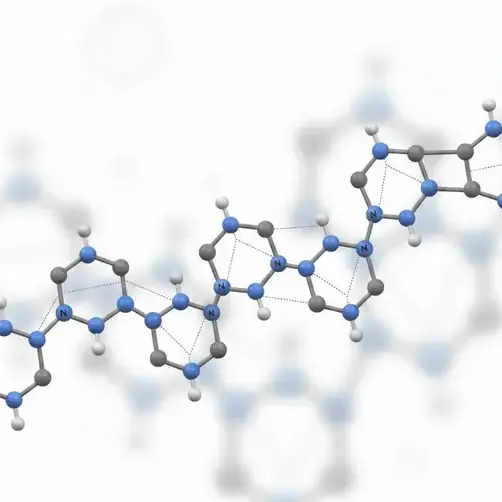
Polypyrrole and polyaniline chemicals for textile industry refer to intrinsically conductive polymers that impart electrical conductivity to conventional fabrics. These compounds are applied through coating, in-situ polymerization, or chemical grafting to improve electrochemical performance and durability. As the global demand for smart textiles grows, these conductive polymers offer a sustainable and flexible alternative to metal-based conductors.
Key Takeaways
- Polypyrrole and polyaniline are leading conductive polymers in smart textiles.
- They enhance conductivity, durability, and environmental performance.
- Used in wearables, EMI shielding, and biosensing fabrics.
- Application methods determine flexibility and longevity.
- Future trends emphasize sustainable synthesis and multifunctional textiles.
What Are Polypyrrole and Polyaniline Chemicals for Textile Industry?
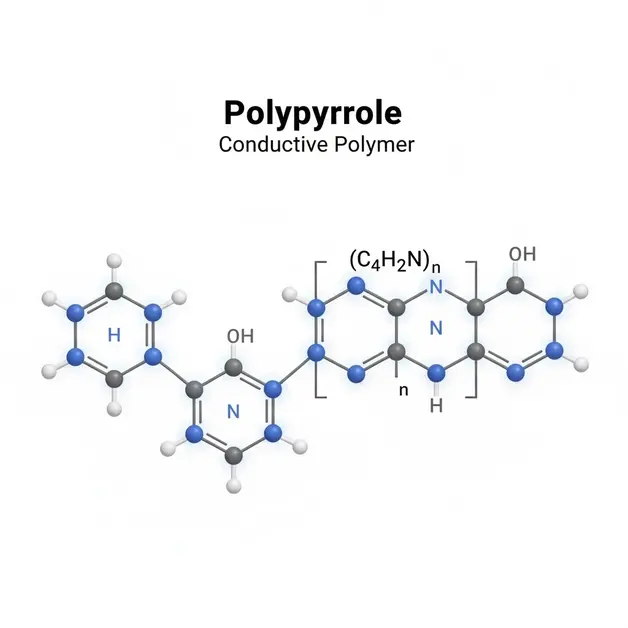
Polypyrrole (PPy) and polyaniline (PANI) are conductive polymers synthesized through oxidative polymerization of pyrrole and aniline monomers.
They are valued for:
- High electrical conductivity (up to 10³ S/cm)
- Chemical stability in air and humidity
- Compatibility with cotton, polyester, and nylon fabrics
- Reversible redox behavior ideal for electroactive textiles
Their use allows the conversion of conventional fibers into smart, multifunctional textiles with electronic and sensing capabilities.
How Do Polypyrrole and Polyaniline Improve Textile Functionality?
These chemicals enhance textile performance by integrating electrical, electrochemical, and protective functionalities:
- Electroconductivity: Enables signal transmission in wearable devices
- Electromagnetic shielding: Blocks harmful EM radiation
- Antistatic control: Reduces static charge buildup in industrial environments
- Thermal regulation: Assists in heat dissipation and retention
- Chemical sensing: Detects gases, ions, or organic molecules
Many manufacturers combine these polymers with carbon nanotubes or graphene for improved conductivity and mechanical strength.
How Are Polypyrrole and Polyaniline Applied to Textile Substrates?
Common industrial application techniques include:
| Method | Description | Typical Textile |
| In-situ polymerization | Monomer polymerizes directly on fiber surface | Cotton, silk |
| Dip-coating | Fabric immersed in polymer solution | Polyester |
| Electrochemical deposition | Conductive polymer deposited under voltage | Nylon |
| Chemical grafting | Covalent attachment enhances wash durability | Blends |
Each method balances conductivity, flexibility, and adhesion depending on the target textile application.
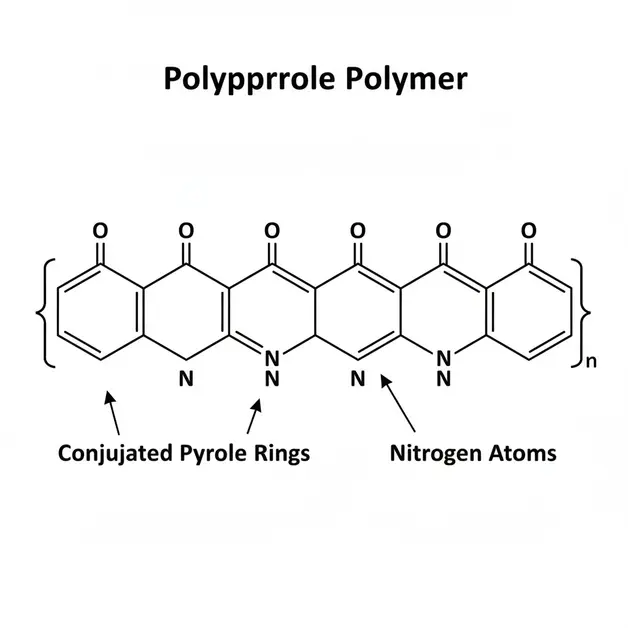
What Are the Main Differences Between Polypyrrole and Polyaniline in Textiles?
| Property | Polypyrrole (PPy) | Polyaniline (PANI) |
| Conductivity | Higher (metal-like) | Moderate (semiconducting) |
| Stability | Better humidity resistance | Sensitive to pH |
| Color | Black | Green-blue |
| Cost | Higher | Economical |
| Typical Use | Sensors, antistatic clothing | EMI shielding, smart fabrics |
Textile engineers often blend PPy and PANI to optimize both conductivity and processability.
How Do Environmental and Regulatory Standards Affect Their Use?
Both polymers must comply with environmental safety norms such as:
- REACH Regulation (EU): Ensures chemical safety and traceability
- OEKO-TEX Standard 100: Limits harmful residues on finished fabrics
- ZDHC Foundation: Encourages sustainable textile chemistry
Additionally, researchers explore green synthesis using natural oxidants and water-based media to minimize environmental impact.
What Are the Leading Applications in Modern Textile Manufacturing?
Polypyrrole and polyaniline textiles are integral to:
- Smart wearables: Integrated with biosensors for health monitoring
- Military gear: Provides stealth and signal resistance
- Energy textiles: Used in flexible batteries and supercapacitors
- Antibacterial clothing: Conductivity inhibits microbial growth
- Filtration systems: Electroactive fibers capture charged particles
A textile chemical liquid is often discussed alongside conductive coatings, finishing agents, and surface modifiers in smart textile engineering.What Is the Future Outlook for Conductive Polymer Textiles?
Future development focuses on scalable production, flexible energy systems, and recyclability. The combination of PPy and PANI with nanocomposites, biomaterials, and low-cost dopants is expected to define the next generation of sustainable smart fabrics.
Conclusion
Polypyrrole and polyaniline chemicals provide a foundation for intelligent, high-performance fabrics that merge conductivity, flexibility, and environmental responsibility. Their integration will continue to expand in energy storage, sensing, and medical textiles. For a deeper understanding of foundational processing agents, explore chemicals used in textile wet processing, which support these advanced functional coatings.
FAQs
Are polypyrrole and polyaniline safe for textiles?
Yes, when processed under REACH and OEKO-TEX standards, they are safe for consumer and industrial textiles.
Which polymer provides better conductivity?
Polypyrrole generally exhibits higher conductivity than polyaniline, making it ideal for electronic textiles.
Can these polymers be dyed or printed over?
Yes, but conductive coatings require specific dyes or pigments compatible with polymer chemistry.
Are these fabrics washable?
Washability depends on coating technique; grafted polymers offer superior durability.
What industries benefit most from these fabrics?
Healthcare, defense, sportswear, and environmental monitoring sectors use these conductive textiles extensively.
Sources
https://pmc.ncbi.nlm.nih.gov/articles/PMC10490524/
https://www.researchgate.net/publication/373438787_Polypyrrole-_and_Polyaniline-Coated_Cotton_Fabrics_as_Efficient_Adsorbents_for_the_Pharmaceutical_Water_Contaminants_Diclofenac_and_Salicylic_Acid#:~:text=In%20this%20work%2C%20the%20conductive,%25%20and%2070%25%2C%20respectively.
https://www.sciencedirect.com/science/article/abs/pii/S0379677915000399
https://www.intechopen.com/chapters/1138788
https://www.mdpi.com/1424-8220/24/5/1387
https://arabjchem.org/smart-textile-integrated-with-nanofilms-of-conductive-polypyrrole-nanocomposite-toward-high-performance-applications/
https://www.nature.com/articles/s41598-024-54678-6
https://pubs.acs.org/doi/10.1021/acsomega.3c09871
https://pubs.rsc.org/en/content/articlehtml/2023/na/d3na00138e
https://www.sciencedirect.com/science/article/abs/pii/S0014305707002017