The textile chemicals in Jodhpur has evolved from traditional dyeing to high-performance fabric treatment using specialized textile chemicals. How do these innovations influence Rajasthan’s textile legacy and global competitiveness?
Key Takeaways
- Textile chemicals in jodhpur enhance color quality, strength, and eco-performance.
- Jodhpur’s manufacturers bridge traditional craftsmanship and modern chemistry.
- Sustainable and low-impact chemical production is the next competitive edge.
What Are Textile Chemicals in Jodhpur and their importance?
Textile chemicals in Jodhpur encompass a wide range of compounds used in pre-treatment, dyeing, printing, and finishing fabrics. They are vital for achieving consistent color, durability, and texture.
Key types include:
- Pretreatment chemicals: Wetting agents, detergents, and desizing agents.
- Dyeing auxiliaries: Dispersing agents, leveling agents, and fixatives.
- Finishing agents: Softeners, wrinkle-resistant resins, and water repellents.
These solutions enable Jodhpur’s textile units to meet global quality standards and enhance fabric functionality.
How Do Textile Chemicals Support Jodhpur’s Textile Industry Growth?
The textile sector in Jodhpur thrives on innovation and chemical precision. Chemical formulations allow manufacturers to:
- Reduce water and energy consumption during processing.
- Improve dye penetration and fastness.
- Develop eco-friendly and sustainable fabrics.
- Expand product lines from cotton to blended synthetics.
The result is a more efficient production ecosystem aligned with Rajasthan’s industrial expansion goals.
Which Textile Is Famous in Rajasthan?
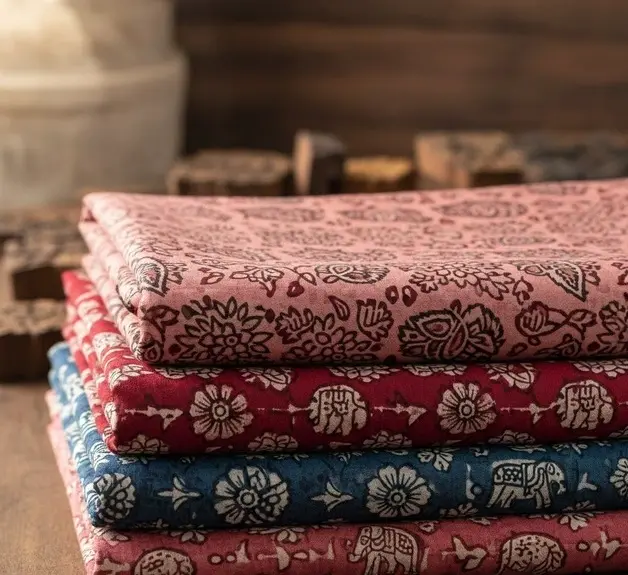
Rajasthan is famous for Bandhani, block prints, and hand-dyed fabrics—each dependent on specialized textile chemicals for color fixation and finishing.
Jodhpur’s dyeing houses use mild alkalis and modern enzymes for cleaner, brighter textiles, maintaining traditional artistry while improving commercial scalability.
| Textile Type | Chemical Role | Result |
| Bandhani | Dyes, fixatives | Bright color retention |
| Block Print | Thickeners, mordants | Sharp pattern definition |
| Handloom Cotton | Softeners, finishing agents | Smooth texture & durability |
Top Chemicals Used in Textiles?
The most widely used textile chemicals are sodium hydroxide (NaOH) and hydrogen peroxide (H₂O₂) for fabric preparation and bleaching.
Other essential compounds include:
- Enzymes – for bio-scouring and eco-processing.
- Surfactants – for uniform wetting and dye absorption.
- Optical brighteners – for enhancing fabric whiteness.
These chemicals collectively ensure consistent production quality, a key advantage for Jodhpur’s growing textile export base.
How Big Is the Textile Chemical Market?
India’s textile chemical industry is projected to surpass USD 2 billion by 2030, fueled by export growth and eco-friendly advancements.
Jodhpur’s contribution:
- Houses mid-scale and specialized chemical suppliers.
- Supplies chemicals to regional hubs like Pali, Bhilwara, and Jaipur.
- Supports the transition toward sustainable chemical manufacturing.
Jodhpur’s strategic location and textile legacy position it as a rising node in India’s chemical supply chain.
Prominent Textile Manufacturers in Jodhpur?
Major providers include Jodhpur-based and national firms emphasizing eco-conscious and quality-driven textile solutions.:
- Chandra Chem, Jodhpur – known for auxiliaries and finishing agents.
- Himani Detergents & Chemicals – offers dyeing and washing chemicals.
- M. Dinesh Agencies – provides industrial-grade textile auxiliaries.
These companies serve Rajasthan’s textile clusters with tailored chemical formulations for cotton, silk, and synthetic fabrics.
Conclusion
Jodhpur’s textile chemical ecosystem exemplifies Rajasthan’s fusion of traditional craftsmanship and modern chemical innovation. As sustainable textile production grows in demand, local manufacturers are enhancing fabric quality and efficiency. For a broader perspective on India’s textile chemical industry and how regional hubs contribute to national production, explore our article on textile chemicals manufacturers in Hyderabad, which highlights innovations and suppliers shaping the sector.
FAQ
Which chemical is mainly used in the textile industry?
Sodium hydroxide and hydrogen peroxide are the primary chemicals used for fabric preparation and bleaching.
Which textile is famous in Rajasthan?
Rajasthan is renowned for Bandhani, block-printed, and handwoven cotton fabrics, all supported by advanced chemical treatments.
Who is the biggest textile company in India?
Grasim Industries is one of India’s largest textile and chemical companies, contributing to both fiber and chemical innovation.
How big is the textile chemical market?
The Indian textile chemical sector is expected to grow to USD 2 billion by 2030, fueled by global demand and green solutions.
Why is Jodhpur significant in the textile chemical industry?
Jodhpur acts as a regional hub for textile auxiliaries, supporting local artisans and industrial textile exporters alike.
Why is Jodhpur known for textile-related industries?
Jodhpur has a strong presence of textile processing and handicraft industries, especially in traditional fabrics, printing, and dyeing. Its proximity to raw materials, skilled labor, and regional textile clusters supports the demand for textile chemicals.
Sources