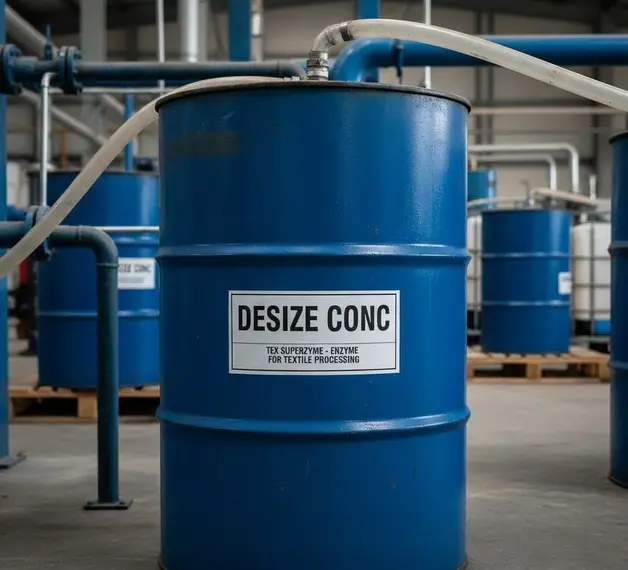
Textile Chemicals Uses in Jodhpur- The city of Jodhpur, famously known as Rajasthan’s “Blue City,” now stands as a key hub for textile manufacturing. But what fuels its vibrant fabric and dyeing sector? The answer lies in advanced textile chemicals—critical to every stage of textile processing from fiber preparation to final finishing.
Key Takeaways
- Textile chemicals are integral to Jodhpur’s dyeing, printing, and finishing sectors.
- Eco-friendly and enzymatic formulations are gaining dominance.
- Technical textile growth is driving advanced chemical demand.
- Future development emphasizes sustainable innovation and water-efficient processing.
What Are the Key Textile Chemicals Used in Jodhpur’s Textile Industry?
Textile chemicals uses in Jodhpur span across various categories supporting fiber treatment, coloration, and finishing.
Major types include:
- Dyeing and printing chemicals: Reactive dyes, pigment binders, and dispersing agents.
- Pre-treatment chemicals: Desizing agents, wetting agents, and bleaching stabilizers.
- Finishing agents: Silicone softeners, anti-wrinkle agents, and water repellents.
- Auxiliaries: Emulsifiers, pH regulators, and sequestering agents that enhance process efficiency.
These formulations ensure high-quality output for cotton, wool, and synthetic fabrics produced across Jodhpur’s industrial belts.
How Do Textile Chemicals Enhance Dyeing and Printing in Jodhpur?
Dyeing units in Jodhpur rely heavily on chemicals to achieve uniform color penetration and long-lasting results.
Key functions:
- Improved dye fixation: Ensures deep, even coloration with minimal waste.
- Color fastness: Increases resistance to washing, sunlight, and abrasion.
- Enhanced fabric aesthetics: Provides soft hand feel and vibrant appearance.
Factories in Basni and Sangariya Industrial Area use eco-compliant dyeing auxiliaries to meet global export standards.
Why Are Eco-Friendly Textile Chemicals Important in Jodhpur?
With rising environmental regulations, sustainable textile chemicals are transforming Jodhpur’s manufacturing ecosystem.
Benefits include:
- Reduced water and chemical consumption.
- Lower effluent toxicity for dyeing units.
- Compliance with GOTS and ZDHC norms for export.
Example: Local suppliers like Marudhar Chemicals and Chandra Chem have introduced biodegradable detergents and enzyme-based scouring agents.
What Are the Applications of Textile Finishing Chemicals in Jodhpur?
Finishing chemicals are essential to create textiles that meet consumer expectations for performance and comfort.
Common finishing processes include:
| Application | Chemical Used | Effect on Fabric |
| Water repellency | Fluorocarbon or silicone-based finish | Waterproof surfaces |
| Anti-crease | Formaldehyde-free resins | Wrinkle resistance |
| Flame retardancy | Phosphorus-based finishes | Fire safety for uniforms |
| Softening | Silicone emulsions | Smooth and silky texture |
These chemical applications help Jodhpur’s textiles compete with top brands globally.
How Do Textile Chemicals Support Technical and Specialty Fabrics?
Jodhpur’s growing interest in technical textiles—used in medical, automotive, and defense sectors—depends on specialized chemicals:
- Anti-microbial finishes for hospital fabrics.
- UV-resistant coatings for outdoor textiles.
- High-strength resins for industrial fabrics.
Such innovations contribute to India’s technical textile mission and position Jodhpur as a regional innovation center.
What Are the Future Trends in Textile Chemicals Uses in Jodhpur?
The future focuses on biobased, waterless, and digital printing chemicals.
Emerging trends:
- Enzymatic bleaching replacing chlorine-based methods.
- Digital pigment printing with minimal effluent load.
- Smart coatings that react to heat or moisture.
Jodhpur’s textile manufacturers are adopting these to attract sustainable-conscious global buyers.
Conclusion
The wide-ranging textile chemicals uses in Jodhpur illustrate the city’s evolution from traditional dyeing to sustainable textile innovation. For readers interested in supplier details and manufacturing ecosystem insights, explore our detailed guide on textile chemicals in Jodhpur to understand how these products shape the region’s economic growth and export potential.
FAQ
Which chemical is used in the textile industry?
Common chemicals include dyes, bleaching agents, softeners, and finishing resins used for color, strength, and fabric texture.
Which textile is famous in Rajasthan?
Rajasthan is renowned for cotton, tie-dye (Bandhani), and hand block-printed textiles, particularly from Jodhpur and Jaipur.
What are the 12 technical textiles?
They include Agrotech, Buildtech, Clothtech, Geotech, Hometech, Indutech, Meditech, Mobiltech, Oekotech, Packtech, Protech, and Sportech.