Textile coating chemicals are chemical formulations applied to fabrics to create functional or decorative surface effects. Once attached to the textile fibers, they offer functional benefits including durability, UV shielding, and repellency to stains. These coatings are essential in both industrial and consumer textile applications, from protective workwear to luxury upholstery. What methods ensure these chemicals increase textile efficiency yet remain environmentally and legally compliant?
Key Takeaways
- Textile coating chemicals enhance performance, protection, and design.
- Main types include polyurethane, acrylic, silicone, and fluoropolymer.
- Sustainability drives the shift toward water-based, low-VOC formulations.
- Regulatory compliance (REACH, ZDHC) defines chemical selection.
- Coating and finishing chemicals serve distinct but complementary roles.
What Are Textile Coating Chemicals and How Do They Work?
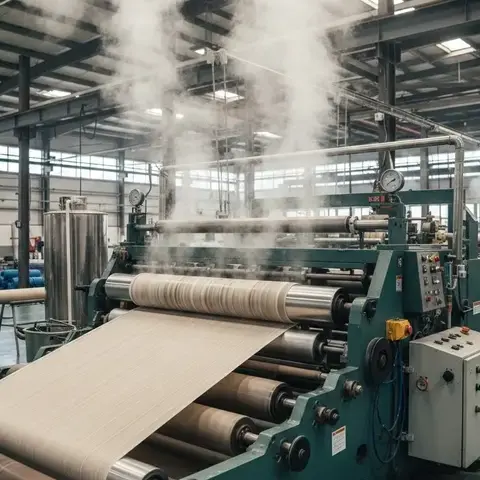
Textile coating chemicals are specialized compounds applied to fabrics through knife, roller, or spray coating techniques to modify surface properties.
Mechanism of action:
- They form a uniform polymer layer that bonds to textile fibers.
- Acting as a protective film, it blocks moisture, chemicals, and mechanical stress from affecting the fabric..
Common categories: - Polyurethane (PU) – flexible and waterproof
- Acrylics – glossy and durable
- Silicone – elastic and heat-resistant
- Fluoropolymers – stain and oil repellents
What Are the Main Types of Textile Coatings Used?
Textile coatings fall into four main categories based on polymer chemistry and end-use:
| Type | Key Property | Typical Application |
| Polyurethane (PU) | Elastic, abrasion-resistant | Sportswear, upholstery |
| Acrylic | Glossy finish, UV resistance | Home textiles, banners |
| Silicone | High temperature endurance | Automotive, aerospace |
| Fluoropolymer | Water and oil repellency | Outdoor gear, uniforms |
Each coating type is chosen for specific performance requirements in fashion and industrial textiles.
Why Are Textile Coating Chemicals Important in Modern Manufacturing?
Textile coating chemicals improve product lifespan, safety, and aesthetics.
Industrial relevance includes:
- Waterproofing and breathability for outdoor gear
- Chemical resistance for industrial protective clothing
- Enhanced strength for conveyor belts and airbags
- Decorative finishes in fashion textiles
Manufacturers depend on precise coating formulations to meet quality standards such as OEKO-TEX®, REACH, and ZDHC (Zero Discharge of Hazardous Chemicals).
Which Industries Use Textile Coating Chemicals Most Extensively?
These chemicals are integral to multiple industrial sectors:
- Automotive textiles: seat covers, airbags, headliners
- Protective clothing: fire-resistant and chemical-shielded gear
- Medical fabrics: antimicrobial and fluid-repellent coatings
- Home furnishings: stain-proof upholstery and drapery
The term textile chemical liquid often appears in context with binders, auxiliaries, and finishing chemicals integral to coating applications.
How Are Environmental Standards Shaping the Future of Textile Coating Chemicals?
Modern regulations emphasize sustainable, low-VOC (volatile organic compound) formulations.
Trends include:
- Water-based and solvent-free coatings
- Bio-based polymers from renewable sources
- Fluorine-free repellents to replace PFAS compounds
Leading manufacturers like Fineotex Chemical Limited and FCL Chemical are investing in green chemistry solutions for compliant, eco-efficient coatings.
What Are Common Textile Coating Chemical Formulations?
Textile coating chemicals often combine several ingredients to achieve balanced performance:
- Binders: Polyurethane, acrylic emulsions
- Crosslinkers: Isocyanates, melamine resins
- Additives: UV stabilizers, plasticizers, thickeners
- Pigments: For color and opacity control
For reference, textile processing chemicals such as softeners and dispersants are frequently used together with coating agents to enhance overall finish quality.
How Do Textile Coating Chemicals Differ from Finishing Chemicals?
While textile finishing chemicals modify the surface or handle of a fabric through mechanical or chemical treatment, coating chemicals create a separate film over the textile.
Key differences:
- Coating: Adds a polymeric layer
- Finishing: Alters fiber properties internally
Both are essential for achieving specific end-use functions like waterproofing, stiffness, or gloss.
Conclusion
Textile coating chemicals represent a crucial segment of textile innovation, bridging performance and aesthetics. As sustainability and compliance become core priorities, the development of water-based, fluorine-free coatings is reshaping the industry. For a deeper understanding of material-grade compounds, explore related topics such as fine chemical used in textile industries, which provide foundational insight into formulation chemistry.
FAQ
What are the 4 types of coatings?
Polyurethane, acrylic, silicone, and fluoropolymer coatings.
What is Fineotex chemical used for?
Fineotex Chemical manufactures specialty and coating chemicals for textile processing, finishing, and performance enhancement.
What is coating in textiles?
Coating in textiles is the process of applying a polymer layer to fabric to improve functionality such as water resistance or durability.
What are textile finishing chemicals?
Textile finishing chemicals modify the feel, appearance, or performance of fabric after weaving or knitting.
Which industries use textile coating chemicals?
Key application areas include automobiles, protective apparel, interior furnishings, and specialized technical fabrics.
Sources
https://www.sarchem.com/en/textile-coating-chemicals
https://fineotex.com/
https://www.colourinn.in/the-value-of-chemical-finishing-to-the-textile-industry/
https://www.indiamart.com/proddetail/textile-coating-chemicals-20951269888.html?srsltid=AfmBOoq-DoI25Zi61mQxg56E22eK2CgjpIiSGCoAyszZEb5XKsLxAtxP
https://hackmd.io/@BlogBeacon/textilecoatingchemicals?utm_source=preview-mode&utm_medium=rec
https://acmemills.com/industry-news-blog/list-of-chemicals-used-in-textile-dyeing-industry/
https://www.quora.com/Which-chemicals-used-textile-coating
https://www.thebusinessresearchcompany.com/report/textile-finishing-chemicals-global-market-report