Textile finishing resins chemicals are polymer-based compounds applied during textile finishing to enhance the fabric’s mechanical and functional properties. These chemicals improve crease resistance, stiffness, and dimensional stability while maintaining softness and strength. How do these resins influence the final textile quality and performance?
Key Takeaways
- Textile finishing resins chemicals strengthen, stabilize, and enhance fabrics.
- Key types: urea, melamine, acrylic, and polyurethane-based resins.
- Applied via padding, drying, and curing for durable performance.
- Compliant with REACH and Oeko-Tex standards for safety.
- Shift toward formaldehyde-free, sustainable, and multi-effect resins.
What Are Textile Finishing Resins Chemicals and How Do They Work?
Textile finishing resins chemicals are cross-linking agents that form covalent bonds within fiber molecules, improving structure and stability.
Key functions include:
- Enhancing wrinkle and shrink resistance
- Providing durable press and stiffness
- Improving abrasion resistance and shape retention
Common resin types:
| Resin Type | Composition | Application |
| Urea-formaldehyde | Thermosetting polymer | Stiff finishes, interlining fabrics |
| Melamine-formaldehyde | Condensation polymer | Crease-resistant cotton fabrics |
| Polyacrylic resins | Acrylic-based copolymers | Soft, flexible coatings |
| Polyurethane resins | Elastomeric polymers | Water-resistant, soft handle finishes |
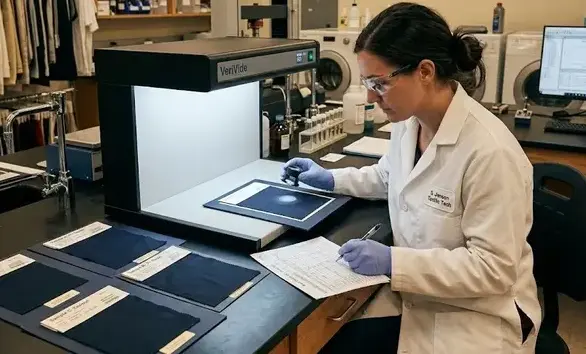
Why Are Textile Finishing Resins Chemicals Important in Fabric Durability?
Resin finishes reinforce fiber bonds, making textiles more resistant to wear, washing, and mechanical stress.
Performance benefits include:
- Enhanced tear and tensile strength
- Dimensional stability during laundering
- Better surface smoothness and handle
These characteristics are critical in apparel, upholstery, and technical textiles.
What Are the Main Categories of Textile Finishing Resins Chemicals?
Resin finishes are generally classified as thermosetting or thermoplastic types.
Thermosetting Resins:
- Create irreversible cross-links when heated
- Commonly used for crease resistance
Thermoplastic Resins:
- Soften on heating and harden on cooling
- Ideal for coating, laminating, and stiffening applications
The term textile chemical liquid commonly appears in discussions involving softeners, cross-linkers, and finishing auxiliaries.
How Are Textile Finishing Resins Chemicals Applied in Processing?
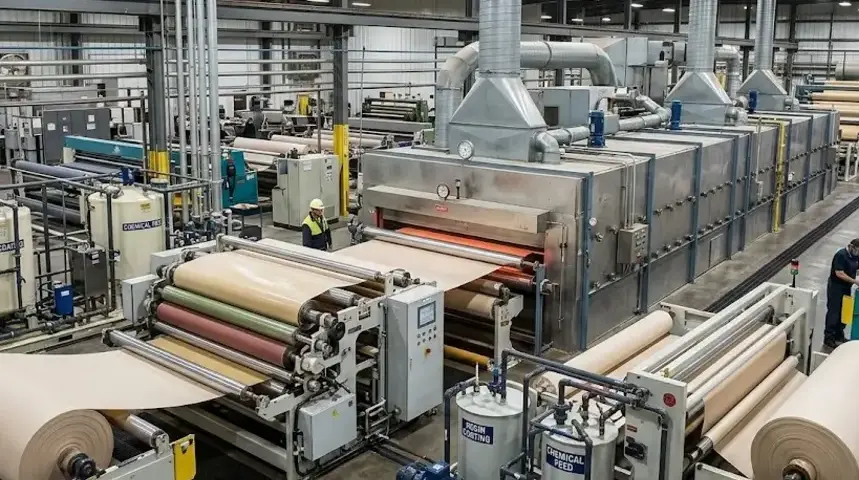
The most common methods are padding, exhaustion, and coating.
Typical process flow:
- Preparation: Fabric pre-treatment and neutralization
- Application: Resin padding bath with catalyst and softener
- Drying: At 100–120°C for moisture removal
- Curing: At 150–180°C to form cross-linked bonds
Catalysts used: Magnesium chloride, zinc nitrate, and aluminum sulfate for controlled curing reactions.
What Are the Environmental and Regulatory Considerations?
Regulations now restrict the use of formaldehyde-based resins due to emission risks.
Sustainable alternatives:
- Formaldehyde-free resins (polycarboxylic acids, glyoxal-free formulations)
- Fully compliant with REACH registration, Oeko-Tex 100 certification, and ZDHC requirements.
- Development of biodegradable and low-VOC formulations to meet global sustainability goals
What Are the Current Market Trends in Textile Finishing Resins Chemicals?
Demand for green, high-efficiency coating technologies is a key driver of current market trends.
Emerging trends:
- Silicone-modified and nano-functional resins for multi-effect finishes
- Use in nonwoven, athleisure, and technical textiles
- Increased R&D toward smart, adaptive finishes compatible with sustainable fibers
How Do Textile Finishing Resins Chemicals Compare with Other Textile Processing Agents?
Resins differ from dyes or softeners in function — they impart mechanical durability rather than color or softness.
They are often integrated with:
- Binder chemicals for pigment printing
- Water-repellent finishes for outdoor wear
- Anti-pilling agents in synthetic blends
This synergy ensures consistent performance across multiple textile finishing parameters.
Conclusion
Textile finishing resins chemicals remain central to fabric enhancement, bridging mechanical strength with advanced aesthetics. Future innovation emphasizes biodegradable, formaldehyde-free, and multifunctional polymers. For complementary eco-alternatives in pre-treatment, explore bio organic sizing chemicals for textiles and for weave, which contribute to a complete sustainable textile value chain.
FAQ
What is the purpose of textile finishing resins chemicals?
They improve wrinkle resistance, stiffness, and shape retention in fabrics.
Which fabrics use textile finishing resins chemicals most commonly?
Cotton, polyester, rayon, and blended fabrics in apparel and upholstery.
Are all textile finishing resins chemicals formaldehyde-based?
No, many modern resins are formaldehyde-free and meet global eco-standards.
How are resins cured on fabric surfaces?
Through heat curing between 150–180°C, enabling cross-linking with fiber polymers.
Can resin finishes affect fabric softness?
Yes, but softeners are often added to balance hand feel and mechanical strength.
Sources
https://fineotex.com/textile-chemicals/finishing-process/stiffeners/
https://dir.indiamart.com/impcat/textile-finishing-chemicals.html
https://zydexgroup.com/textile-finishing-chemicals/
https://www.scribd.com/document/704237722/8-Introduction-to-Chemical-Finishing
http://www.nicholas.co.in/polyethylene-emulsions.html
https://www.researchandmarkets.com/articles/key-companies-in-textile-finishing-chemical?srsltid=AfmBOoqmI2kll4RnsBs1k2ck76HIZwf5YbK0CR7hgCfaLs34VbdJ2zFI
https://ebooks.inflibnet.ac.in/hsp09/chapter/textile-finishes/
https://nctexchem.com/product/process/finishing/