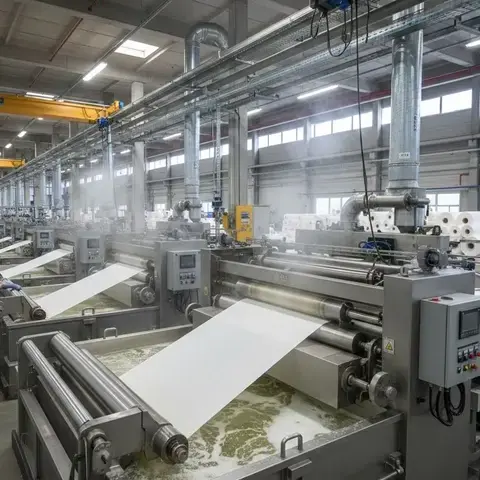
Textile scouring chemicals are alkaline or enzymatic formulations used to remove natural and synthetic impurities from fibers before bleaching or dyeing. This critical process enhances the fabric’s hydrophilicity and prepares it for subsequent wet processing. Why is scouring indispensable in modern textile manufacturing? It ensures consistent dye uptake and improved finishing quality.
Key Takeaways
- Textile scouring chemicals prepare fabric by removing hydrophobic impurities.
- They improve absorbency and color uniformity.
- Common agents: alkalis, surfactants, and enzymes.
- Enzymatic scouring supports sustainability goals.
- Scouring is the foundation of efficient textile processing.
What Are Textile Scouring Chemicals and Why Are They Important?
Textile scouring chemicals are cleaning agents that dissolve fats, waxes, and other hydrophobic materials from natural fibers like cotton or wool.
Key Functions:
- Eliminate natural impurities (wax, oils, pectins)
- Improve water absorbency
- Enable uniform dye penetration
- Prevent patchy coloration and fiber damage
Industrially, this step is part of the pretreatment process before bleaching and dyeing.
What Are the Main Types of Textile Scouring Chemicals?
Common types of textile scouring chemicals include:
| Type | Chemical Nature | Application |
| Caustic Soda (NaOH) | Alkaline | Cotton and cellulosic fibers |
| Sodium Carbonate | Mild alkali | Blended fabrics |
| Wetting Agents | Surfactants | Lowers surface tension |
| Detergents | Synthetic surfactants | Removes oils and waxes |
| Enzymatic Scouring Agents | Bio-based | Eco-friendly scouring |
| Chelating Agents | Complexing agents | Removes metallic ions |
| Emulsifiers | Surfactants | Disperse impurities uniformly |
How Do Textile Scouring Chemicals Work on Fiber Impurities?
These chemicals function through saponification, emulsification, and solubilization mechanisms.
Process Summary:
- Alkalis convert natural oils into soaps (saponification).
- Surfactants disperse the resulting soap and wax particles.
- Emulsifiers stabilize the suspension, ensuring thorough removal.
- Chelating agents prevent mineral deposition during rinsing.
This multi-step action results in a clean, absorbent surface ideal for dyeing.
Which Industries Commonly Use Textile Scouring Chemicals?
Textile scouring chemicals are used across:
- Cotton and blended fabric manufacturing
- Knitting and woven fabric processing units
- Technical textile and home furnishing industries
- Garment wet processing and finishing plants
They also align with global sustainability initiatives such as ZDHC compliance and REACH standards.
How Are Textile Scouring Chemicals Classified by Application Method?
Based on usage and processing:
- Continuous scouring – for woven fabric using alkaline baths
- Discontinuous (batch) scouring – for knitted fabrics and delicate fibers
- Enzymatic scouring – for eco-friendly, low-temperature treatment
People also search for: A textile chemical liquid is often discussed alongside bleaching agents, wetting agents, and finishing auxiliaries used in textile pretreatment and dyeing.
What Are the Environmental and Safety Considerations?
Modern scouring focuses on low-temperature, biodegradable formulations.
Best Practices:
- Use biodegradable surfactants to minimize COD/BOD load
- Optimize NaOH concentration to reduce alkali effluent
- Adopt enzyme-based scouring for lower energy consumption
- Maintain pH control and effluent neutralization systems
This ensures adherence to environmental safety regulations and reduced chemical footprint.
What Are Examples of Leading Textile Scouring Agents?
Examples include:
- Nonionic wetting agents: Alkylphenol ethoxylates (APE-free variants)
- Alkali builders: Sodium hydroxide, sodium carbonate
- Enzyme-based agents: Pectinase and lipase blends
- Complexing agents: EDTA, NTA substitutes
- Multifunctional detergents with wetting and dispersing action
Conclusion
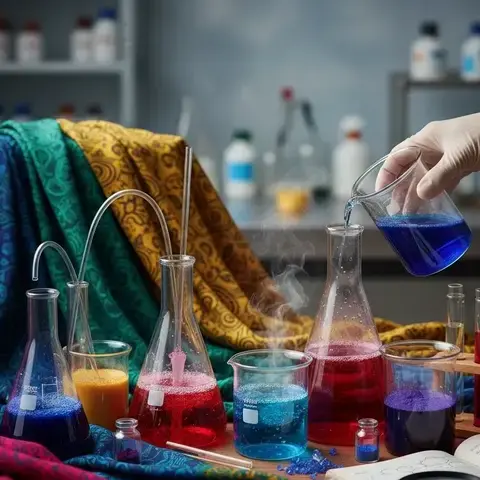
Textile scouring chemicals remain integral to high-quality fiber preparation, enabling optimal dyeing, printing, and finishing outcomes. As sustainability grows central to textile processing, eco-friendly and enzymatic formulations are replacing conventional alkali-based methods. For a complete understanding of sequential treatments, see related content on textile processing chemicals
FAQ
What is the scouring chemical in textile?
It is an alkaline or enzymatic compound used to remove impurities such as wax, oil, and pectin from fabrics.
What are textile finishing chemicals?
They are agents applied after dyeing to impart functional or aesthetic properties like softness, stiffness, or water repellency.
What are the examples of scouring agent?
Examples include sodium hydroxide, sodium carbonate, wetting agents, detergents, and enzymes like pectinase.
Which chemical is used for color fixing?
Cationic fixing agents or polyamines are commonly used to improve color fastness after dyeing.
Sources
https://nctexchem.com/product/process/preparation/scouring/
https://carbontrail.net/glossary/scouring-in-textile-process/
https://fineotex.com/textile-chemicals/pretreatment-process/wetting-agents-cum-detergents/
https://dir.indiamart.com/impcat/scouring-agent.html
https://en.wikipedia.org/wiki/Scouring_(textiles)
https://www.shreechem.in/treatment-process-for-cotton
https://www.scribd.com/document/695236364/scouring
https://heenaagrima.com/blogs/journal/what-is-scouring-and-why-is-it-important?srsltid=AfmBOoqLpa7wCaPdGfpZIAb2YR16u9-CCMcth3dMg8m_UmP9DgeJsp-t