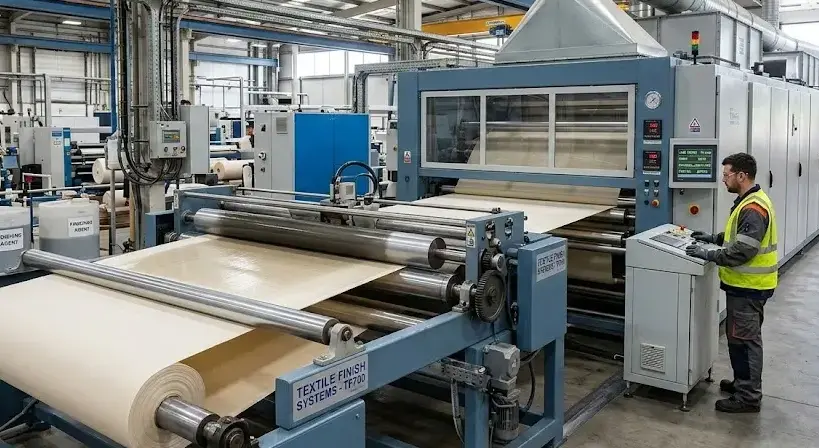
Types of chemical finishes in textiles refer to the range of chemical treatments applied to fabrics to improve their functional and aesthetic properties. These finishes modify fiber surfaces to enhance durability, comfort, and usability. Why are they essential? Because without chemical finishing, most fabrics would fail to meet modern performance and regulatory standards for textile applications.
Key Takeaways
- Chemical finishes modify textile properties for performance and appearance.
- They are classified as temporary, semi-durable, or durable.
- Functional finishes include flame-retardant, antimicrobial, and UV-protective types.
- Eco-friendly finishes align with sustainability standards like ZDHC and ISO 14001.
- Application techniques include padding, exhaust, and foam finishing methods.
What Are the Main Types of Chemical Finishes in Textiles?
Chemical finishes in textiles are broadly categorized based on their purpose and permanence.
Primary types include:
- Temporary Finishes: Removed after washing (e.g., starch finishing).
- Semi-Durable Finishes: Last for several washes (e.g., resin crease-resist finish).
- Durable Finishes: Permanent or highly resistant to laundering and wear (e.g., fluorocarbon water repellents).
| Type | Example | Durability | Application |
| Temporary | Starch, Gum | Removed in 1–2 washes | Apparel |
| Semi-Durable | Silicone softener | Moderate | Home textiles |
| Durable | Fire retardant | High | Protective clothing |
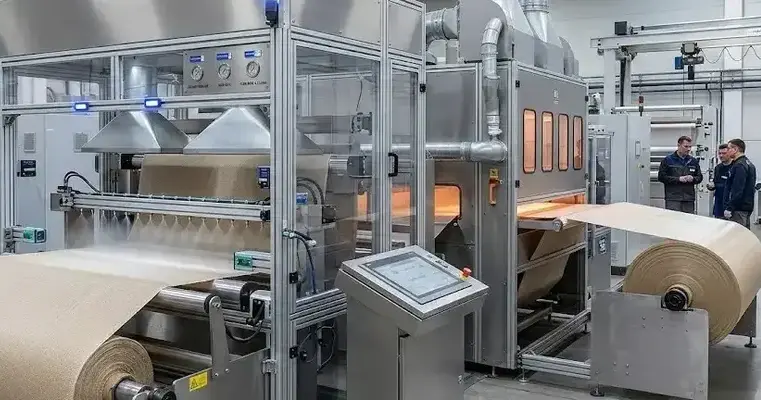
How Do Functional Chemical Finishes Enhance Textile Performance?
Functional finishes impart properties that extend fabric usability and safety. Common examples include:
- Flame Retardant Finish: Prevents or delays ignition (e.g., PROBAN-treated cotton).
- Water-Repellent Finish: Uses fluorocarbons or silicones for moisture resistance.
- Antimicrobial Finish: Inhibits bacterial and fungal growth, common in healthcare fabrics.
- UV-Protection Finish: Shields against harmful ultraviolet radiation.
These are essential in sectors like defense, healthcare, and sportswear.
What Are Aesthetic Chemical Finishes in Textiles?
Aesthetic finishes focus on improving fabric feel, look, and drape.
Examples include:
- Softening Finishes: Use silicones or polyethylene emulsions for smoothness.
- Stiffening Finishes: Apply resins for crispness in collars and cuffs.
- Calendering and Glazing: Chemical resins enhance surface gloss.
Such finishes are widely used in apparel and home furnishing fabrics.
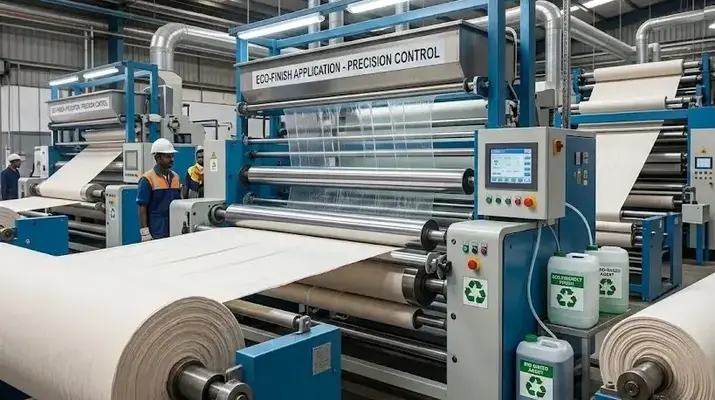
What Are Protective and Performance-Based Finishes?
These finishes enhance safety and environmental resistance.
Examples:
- Soil-Release Finishes: Facilitate easy washing of dirt and oil stains.
- Anti-Static Finishes: Prevent static buildup in synthetic fibers.
- Wrinkle-Resistant Finishes: Improve shape retention using crosslinking agents.
A textile chemical liquid is often discussed alongside auxiliary agents like leveling agents, wetting agents, and other coating chemicals that support these finishes.
How Are Eco-Friendly Chemical Finishes Evolving in the Textile Industry?
Modern chemical finishing focuses on non-toxic, biodegradable, and water-efficient formulations.
Key innovations include:
- Enzyme-Based Finishes: Replace harsh chemicals for softening and bio-polishing.
- Bio-Based Repellents: Derived from natural waxes and oils.
- Low-VOC Finishes: Reduce harmful emissions during curing.
These developments align with ZDHC (Zero Discharge of Hazardous Chemicals) and ISO 14001 sustainability frameworks.
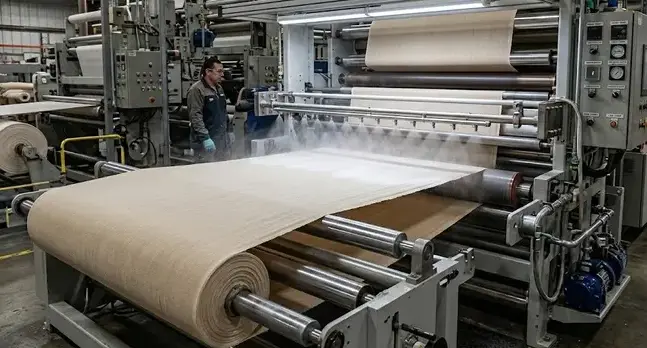
What Are Common Industrial Applications of Chemical Finishes?
Chemical finishes are used across diverse industries:
- Apparel Textiles: Wrinkle-free, soft-hand, and water-repellent finishes.
- Home Furnishings: Flame-retardant and soil-resistant treatments.
- Technical Textiles: Antimicrobial, anti-static, and weather-proof coatings for medical, automotive, and military uses.
Industrial finishing plants rely on precision-controlled curing systems to ensure performance consistency.
How Are Chemical Finishes Applied to Textiles?
Common application methods include:
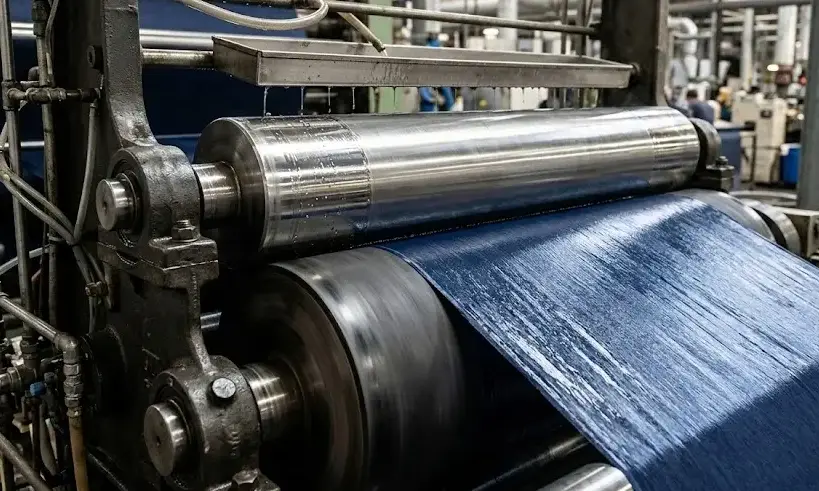
- Padding: Fabric passes through a finishing bath and rollers for even coating.
- Exhaust Method: Fibers absorb chemicals from a bath through diffusion.
- Spraying or Foam Finishing: Used for lightweight and eco-efficient applications.
- Curing and Drying: Heat treatment fixes the finish onto fibers permanently.
Conclusion
The types of chemical finishes in textiles define how fabrics perform, last, and adapt to modern demands. As innovation progresses, eco-conscious and performance-based finishes dominate the textile finishing landscape. To fully understand the textile value chain, explore the process of chemical pretreatment of textile for colouration, which precedes finishing and enhances finish durability.
FAQ
What are the different types of chemical finishing?
They include temporary, semi-durable, and durable finishes such as water-repellent, flame-retardant, and antimicrobial treatments.
What are the four types of fabric finishing?
The four main categories are mechanical, chemical, aesthetic, and functional finishes.
What are textile finishing chemicals?
They are chemical compounds or formulations used to modify fabric surface properties for improved functionality or appearance.
Which finishes are considered eco-friendly?
Enzyme-based, bio-derived, and low-VOC formulations are considered sustainable alternatives to traditional finishes.
What is the purpose of functional finishes?
Functional finishes enhance protection, durability, and specific fabric performance attributes like UV or flame resistance.
Sources
https://textileengineering.net/chemical-finishes-in-textiles-types-and-applications/
https://www.slideshare.net/slideshow/chemical-finishing-in-technical-textile/159086627
https://colourinn.in/textile-finishes-different-types-of-finishes-for-textiles.php
https://fashinza.com/fabric/fabric-types/types-of-chemical-finishing-on-fabric/
https://www.linkedin.com/pulse/textile-finishing-process-mechanical-chemical-finishes-
https://www.tvfinc.com/article/types-of-fabric-finishes/
https://www.textileindustry.net/types-of-chemical-finishes-in-textile/
https://ebooks.inflibnet.ac.in/hsp09/chapter/textile-finishes/