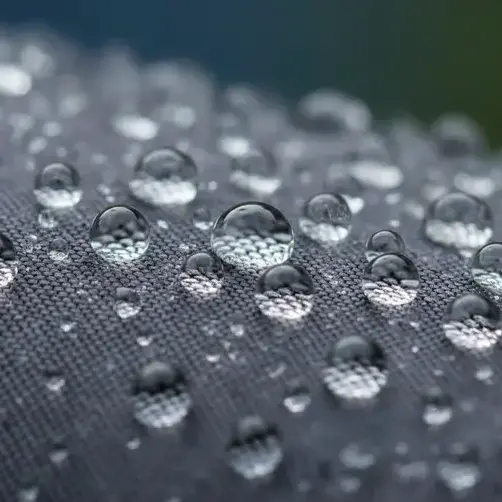
A waterproof chemical for textile is a surface treatment or finishing agent designed to make fabric resistant to water penetration while retaining breathability. These chemicals are used across apparel, upholstery, and industrial fabrics to achieve high durability and protection against rain, moisture, and environmental exposure. Why is water repellency essential for modern textile innovation? It defines both product performance and sustainability standards.
Key Takeaways
- Waterproof chemicals form a hydrophobic layer that resists water penetration.
- Fluoropolymers and silicones dominate industrial use for high-performance fabrics.
- Eco-friendly alternatives are replacing PFAS-based technologies.
- Testing standards ensure consistent durability and compliance.
- Application method selection affects final fabric feel and breathability.
What is a waterproof chemical for textile and how does it work?
Waterproof chemicals for textiles function by forming a hydrophobic film over fibers that repels water droplets.
Mechanism:
- The chemical coats the fiber surface through padding, spraying, or dipping.
- It reduces surface energy, preventing water absorption.
Common technologies include: - Fluorocarbon-based finishes (high durability)
- Silicone emulsions (soft handle, flexible)
- Paraffin wax emulsions (cost-effective for basic water resistance)
Which types of waterproof chemicals are commonly used in textiles?
Major classes of waterproofing agents include:
| Type | Composition | Key Features |
| Fluoropolymers | Perfluoroalkyl compounds | Excellent water and oil repellency |
| Silicones | Polydimethylsiloxane (PDMS) | Breathable, flexible coating |
| Polyurethane dispersions | Aliphatic or aromatic PU | Durable, elastic layer |
| Paraffin emulsions | Hydrocarbon waxes | Economical, suitable for cotton fabrics |
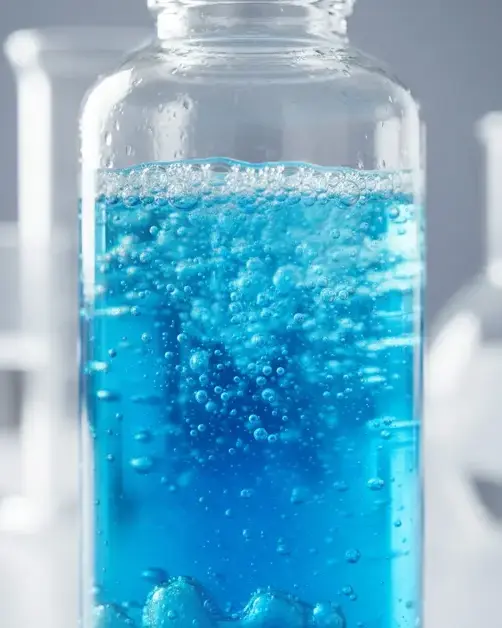
A textile chemical liquid is often discussed alongside water-repellent agents, coating auxiliaries, and finishing chemicals used in protective fabric processing.
How are waterproof chemicals applied to textile surfaces?
Application methods vary based on fiber type and intended end-use:
- Padding: Immersion of fabric in waterproof chemical bath, followed by squeezing and curing.
- Spraying: Direct surface coating ideal for localized or ready-made garments.
- Lamination: Bonding of waterproof membranes using polyurethane or PTFE layers.
- Coating: Knife-over-roll or transfer coating for heavy-duty protective textiles.
Each technique balances fabric softness, air permeability, and repellency durability.
What performance standards define waterproof textiles?
Waterproof Chemical for Textile, finishes are evaluated under recognized textile testing standards:
- AATCC 22: Water repellency spray test
- ISO 4920: Water resistance grading
- ISO 811: Hydrostatic pressure resistance
- EN 343: Protection against rain (industrial garments)
Compliance ensures reliability for outdoor, sportswear, and technical fabric applications.
How do eco-friendly waterproof chemicals differ from traditional ones?
Sustainable innovation replaces long-chain fluorocarbons (C8) with C6 or non-fluorinated formulations:
- Silicone-based and plant-wax coatings offer biodegradable alternatives.
- Water-based polyurethane systems eliminate volatile solvents.
- These solutions align with REACH and ZDHC Foundation guidelines for safe manufacturing.
Where are waterproof textile chemicals used across industries?
Applications span multiple sectors:
- Apparel: Jackets, activewear, and uniforms
- Home textiles: Outdoor upholstery, awnings
- Industrial: Tents, tarpaulins, military fabrics
- Automotive: Seat covers and convertible tops
Emerging smart textiles integrate waterproof coatings with UV protection and antimicrobial finishes for advanced multifunctionality.
How to select the best waterproof chemical for textile manufacturing?
Selection depends on:
- Fabric composition: Natural vs. synthetic
- Desired properties: Breathability, softness, wash durability
- Regulatory compliance: Eco-label and wastewater standards
- Cost and end-use: Technical vs. consumer-grade textiles
Manufacturers often evaluate compatibility through pilot testing before large-scale finishing.
Conclusion
Waterproof chemicals for textiles continue to evolve toward high-performance, eco-safe formulations ensuring durability and comfort across global markets. Understanding their types, mechanisms, and standards helps textile professionals select optimal finishes. Related innovations such as textile mill sludge chemicals demonstrate the industry’s broader commitment to sustainable processing and waste management.
FAQ
Which chemicals can waterproof textiles?
Fluoropolymers, silicones, paraffin emulsions, and polyurethane dispersions are widely used.
Which chemical is best for waterproofing?
Fluorocarbon-based and silicone-based agents offer the most durable and flexible repellency.
How to make textiles waterproof?
Apply a waterproof chemical through padding, spraying, or coating, followed by heat curing.
How to make 100% polyester waterproof?
Use silicone or fluorocarbon-based finishes optimized for synthetic fiber adhesion.
Sources
https://nctexchem.com/product/process/finishing/waterrepellent/
https://www.nasiol.in/textile-waterproofing-liquids/
https://fineotex.com/discover-3-widely-known-water-repellent-chemicals-and-how-they-transform-textiles/
https://www.indiamart.com/proddetail/fabric-water-repellent-4843261730.html?srsltid=AfmBOoqfAntKVyJ9acWJbvNQJAnyFrwVXBOSt7WKsi4ubsa17qv15RVf
https://www.safechemsolution.in/water-repellent-chemical-for-fabric.html
https://www.researchdyechem.in/water-repellent.html
https://www.scirp.org/journal/paperinformation?paperid=98474
https://www.dow.com/en-us/market/mkt-textile-leather-nonwoven/sub-textiles-textile-processing-finishing/app-textiles-textprocessingfinishing-water-repellency.html