What Chemicals Can Waterproof a Textile Like Canvas. These are hydrophobic agents designed to prevent water penetration through coated or impregnated fabrics. They modify surface energy, creating a durable barrier while maintaining breathability and flexibility. Understanding these chemicals is critical for sectors like outdoor gear, automotive covers, and marine fabrics where both protection and performance are required.
Key Takeaways
- Waterproofing chemicals work by lowering fabric surface energy.
- Fluorocarbon and silicone compounds dominate industrial use.
- Polyurethane and acrylic coatings provide flexible film barriers.
- Eco-friendly and fluorine-free alternatives are rising due to global compliance.
- Correct curing ensures long-lasting repellency on canvas.
What chemicals can waterproof a textile like canvas?
Textiles such as canvas are waterproofed using compounds that lower surface tension and create hydrophobic coatings. Common types include:
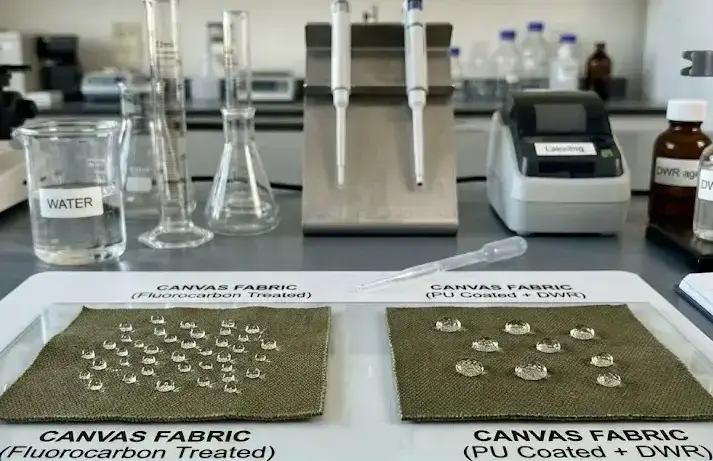
- Fluorocarbon-based repellents (C6, C8): Provide high repellency and durability.
- Silicone-based polymers: Form flexible, long-lasting coatings resistant to UV and heat.
- Paraffin wax emulsions: Ensure effective, low-cost waterproofing for cotton canvas applications.
- Polyurethane (PU) coatings: Deliver strong film-forming properties for synthetic fabrics.
- Acrylic emulsions: Enhance surface protection without altering fabric texture.
Each type varies in breathability, cost, and ecological impact.
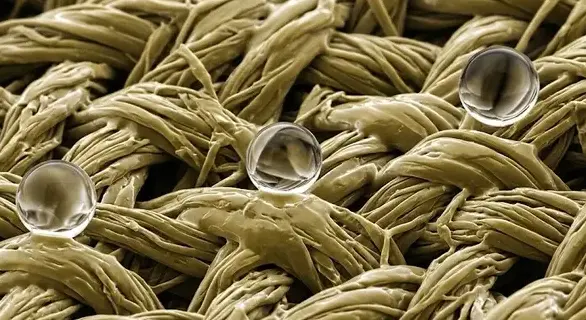
How do fluorocarbon chemicals make canvas waterproof?
Fluorocarbon polymers create a low-energy surface by aligning fluorine atoms outward, which repels both water and oil.
Key properties include:
- High resistance to stains, oil, and water
- Compatibility with thermal curing for durability
- Used widely in tents, awnings, and industrial tarpaulins
However, due to environmental concerns under REACH Regulation and ZDHC Programme, industries are shifting toward C6 or fluorine-free alternatives.
Can silicone-based waterproofing improve canvas longevity?
Yes. Silicone waterproofing chemicals penetrate fiber interstices, forming a water-repellent yet breathable layer.
Performance Benefits:
• Protects against UV exposure and chemical oxidation
• Preserves smooth texture and pliability
• Effective on cotton, polyester, and combination fabrics
Silicone emulsions are often used in outdoor equipment and boat covers where weather exposure is high.
What role do wax-based and paraffin emulsions play?
Wax-based waterproofing agents—like paraffin or microcrystalline wax—coat textile surfaces with a thin, water-shedding film.
Applications:
- Canvas tarpaulins
- Military tents
- Outdoor furniture covers
They offer natural protection but may require periodic reapplication due to wear and washing.
How does polyurethane coating enhance water resistance?
Polyurethane (PU) acts as a film-forming polymer applied through coating or lamination.
Features:
| Property | Description |
| Water Resistance | High – forms continuous waterproof barrier |
| Flexibility | Excellent for bending and stretching fabrics |
| Breathability | Moderate depending on formulation |
| Common Use | Rainwear, canvas bags, truck covers |
PU-coated canvas balances durability with cost efficiency, making it a preferred option for industrial and outdoor-grade textiles.
Are there eco-friendly waterproofing chemicals available?
Yes. New-generation formulations avoid fluorine and heavy metals, using biodegradable polymers. Examples include:
- Organosilane-based coatings
- Polyurethane dispersions (PUDs)
- Bio-based hydrophobics from plant waxes or fatty acids
These alternatives comply with OEKO-TEX and ISO 14001 standards for sustainable textile finishing.
A textile chemical liquid is commonly referenced along with other finishing components such as auxiliaries, binders, and lamination coatings.
How are waterproof chemicals applied to canvas textiles?
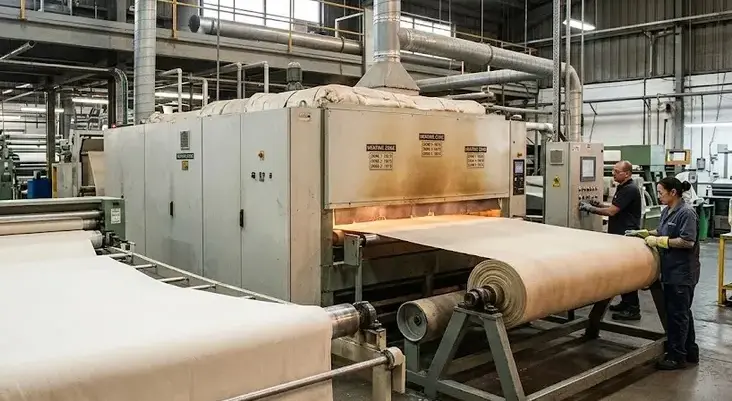
Three major industrial methods are used:
- Padding: Fabric passes through a chemical bath, ensuring uniform impregnation.
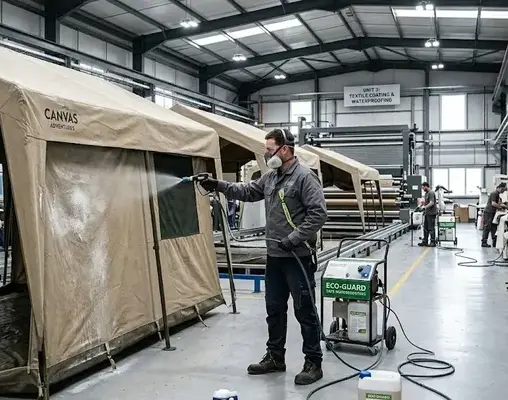
- Spraying: Useful for finished canvas items such as tents and backpacks.
- Coating or lamination: Adds a continuous waterproof layer for extreme exposure.
Proper drying and curing conditions are essential to achieve permanent repellency.
Conclusion
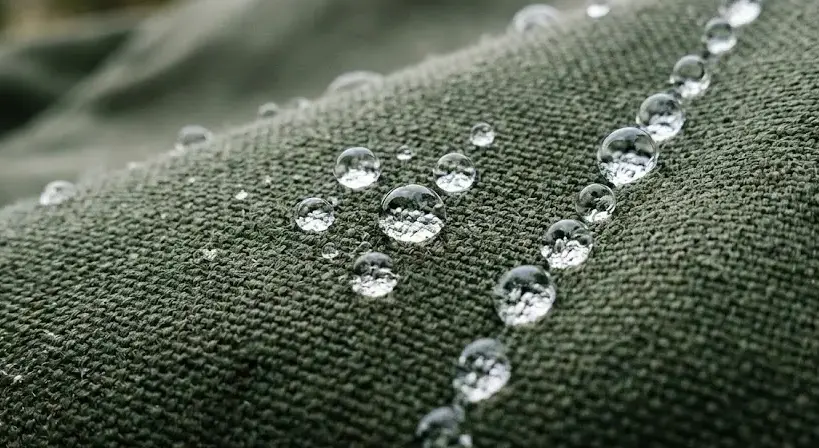
Chemicals that waterproof a textile like canvas include fluorocarbons, silicones, wax emulsions, and polyurethane coatings. The choice depends on fabric type, durability needs, and ecological compliance. Advancing innovations now favor fluorine-free, sustainable formulations aligned with global textile finishing standards. For related performance coatings, explore textile finishing resins chemicals that enhance strength and flexibility.
FAQs
Which chemicals can waterproof textiles?
Fluorocarbon, silicone, wax, and polyurethane-based chemicals are widely used for textile waterproofing.
What can be used to waterproof canvas?
Silicone emulsions, paraffin wax, or PU coatings effectively waterproof canvas materials.
How to make textiles waterproof?
By applying hydrophobic chemicals through padding, spraying, or coating processes.
What is the best waterproofing spray for fabric?
Silicone and fluorocarbon-based sprays are preferred for outdoor and heavy-duty fabrics.
Can waterproofing be natural?
Yes. Beeswax and plant-based oils provide limited but eco-friendly waterproofing for natural fabrics.
Sources
https://fineotex.com/discover-3-widely-known-water-repellent-chemicals-and-how-they-transform-textiles/
https://colourinn.in/ultimate-guide-to-water-repellent-chemicals-in-textile-industry.php
https://www.canvasetc.com/canvas-fabric-treatments/?srsltid=AfmBOorwnbVDAiYDZersbeCSAbH6B9s3KF8PoOXNBCdXrXUMEh_2YWfA
https://szoneierfabrics.com/how-waterproof-coatings-expand-the-uses-of-canvas-fabric/
https://iopscience.iop.org/article/10.1088/1755-1315/974/1/012126/pdf
https://organoclick.com/textile-waterproofing/
https://www.paint.org/coatingstech-magazine/articles/making-natural-fabrics-waterproof-with-nontoxic-coatings/
https://ebooks.inflibnet.ac.in/hsp09/chapter/water-repellent-and-water-proof-finishes/