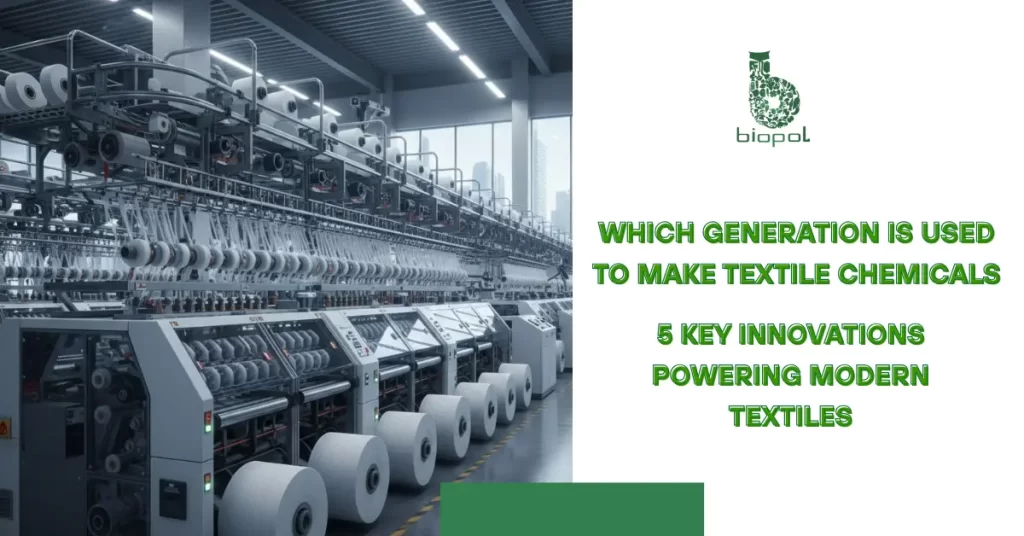
The generation of textile chemicals used today plays a key role in shaping the future of textiles, as modern eco-conscious and performance-driven formulations are rapidly overtaking traditional ones. These generations enhance fiber strength, colorfastness, and eco-compatibility — essential for today’s global textile products and manufacturing processes.
key takeaways
- Modern textile chemicals belong to the third, fourth, and emerging fifth generations.
- India plays a vital role in advancing sustainable textile chemical production.
- Bio-based and enzyme-driven formulations are shaping the future of textiles globally.
- Generational progress drives durability, comfort, and eco-performance in all textile types.
Which generation is used to make textile chemicals today?
The third and fourth generations are primarily used to make textile chemicals. These modern formulations focus on performance, biodegradability, and energy efficiency during textile production.
Key characteristics of modern generations include:
- Third-generation chemicals: Low-toxicity surfactants, formaldehyde-free resins, and reactive dyes.
- Fourth-generation chemicals: Enzyme-based, bio-catalytic, and nanotechnology-enabled compounds for advanced fiber treatment.
| Generation | Focus | Example Compounds | Application |
| 1st & 2nd | Basic dyeing & finishing | Sodium hydroxide, starch, sulfur dyes | Early textile mills |
| 3rd | Performance & safety | Reactive dyes, softeners | Modern cotton/synthetic textiles |
| 4th | Eco-innovation | Enzymes, nanopolymers | Sustainable textile processing |
How have different generations of textile chemicals evolved over time?
The evolution of textile chemicals reflects industrial, environmental, and technological progress.
- First Generation: Used simple alkalis and acids for basic scouring and bleaching.
- Second Generation: Introduced synthetic dyes and finishing agents.
- Third Generation: Focused on multifunctional chemicals improving comfort and durability.
- Fourth Generation: Prioritizes biodegradable, bio-based, and low-impact formulations.
This transition aligns with global demand for sustainable textile products and stricter emission norms.
Why are bio-based textile chemicals considered part of the next generation?
Bio-based textile chemicals mark the fifth generation of innovation. These include enzymes, biosurfactants, and plant-derived softeners that replace petrochemical-based inputs.
Advantages:
- Reduce wastewater toxicity
- Lower carbon footprint
- Improve biodegradability
- Enhance fiber softness naturally
Examples: Enzymatic desizing agents, vegetable oil-based emulsifiers, and microbial color fixatives — all increasingly used in India’s growing textile industry.
How does the generation of textile chemicals impact textile performance?
Each generation of textile chemicals influences durability, comfort, and functionality.
- 3rd generation: Enhances mechanical properties, colorfastness, and elasticity.
- 4th generation: Adds smart functionalities like antimicrobial, UV protection, and wrinkle resistance.
- 5th generation: Combines eco-safety with intelligent performance, supporting next-gen textiles such as self-cleaning fabrics.
Example: Modern denim uses enzyme-based bleaching instead of chlorine, reducing water consumption by over 50%.
Which generation is used to make textile chemicals in India?
In India, both third- and fourth-generation textile chemicals dominate manufacturing due to cost efficiency and growing export demand.
Indian textile chemical manufacturers such as Sarex, Zydex, and Camachem focus on:
- Water-based dyeing auxiliaries
- Non-ionic softeners
- Sustainable reactive dyes
- Bio-polishing enzymes
India’s textile industry, a major contributor to global exports, is also testing bio-catalytic (fifth-generation) innovations in Surat, Tirupur, and Ahmedabad clusters.
What are the types of textiles that benefit from modern generations of textile chemicals?
The types of textiles that benefit most include:
- Natural fibers: Cotton, wool, silk – improved softness and color depth.
- Synthetic fibers: Polyester, nylon – enhanced antistatic and moisture-wicking functions.
- Technical textiles: Used in automotive, medical, and geotextile sectors – improved coating and durability.
10 Textile Products Influenced by Chemical Advancements:
- Sportswear
- Denim
- Carpets
- Medical fabrics
- Upholstery
- Industrial filters
- Uniforms
- Curtains
- Bedsheets
- Outdoor gear
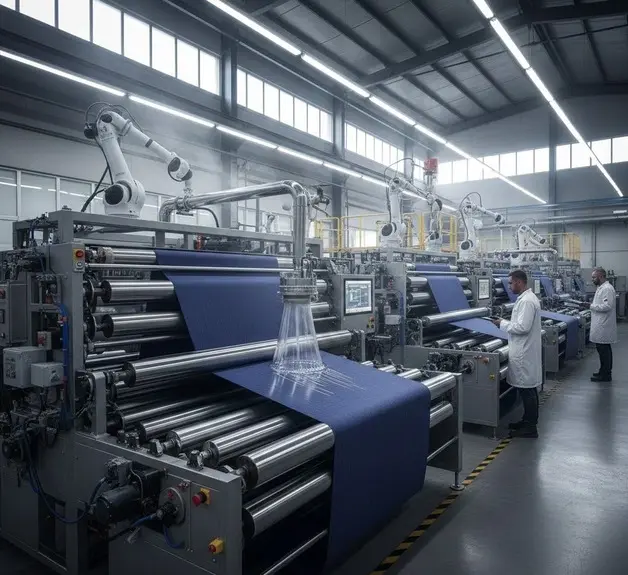
Conclusion
The journey from basic chemical treatments to bio-based innovations defines how textile manufacturing has evolved over generations. Today’s textile chemicals blend performance with sustainability, marking a shift toward intelligent, responsible production. To deepen your understanding, explore how caustic soda is used in textile chemicals, a crucial compound bridging earlier and modern chemical generations for efficient fiber processing.
FAQ
Which chemical is mainly used in the textile industry?
The textile industry primarily uses caustic soda (sodium hydroxide) for scouring, bleaching, and dyeing processes, along with auxiliaries like surfactants and softeners.
What is the chemical process of textile?
The chemical process of textile involves pretreatment, dyeing, printing, and finishing, where chemicals clean fibers, add color, and enhance performance features such as softness, water resistance, or durability.
Which base is used in the manufacture of textiles?
Sodium hydroxide (NaOH) is the main base used in textile manufacturing. It helps remove natural impurities from fibers and improves dye absorption.
How big is the textile chemical market?
As of 2025, the global textile chemical market is valued at approximately USD 27–30 billion, driven by growing demand for sustainable and high-performance fabrics worldwide.
Sources
https://en.wikipedia.org/wiki/Textile
https://www.sarex.com/textile/
https://www.textilesresources.com/articles/top-chemicals-used-in-the-textile-industry/
https://www.novonesis.com/en/news/the-biosolutions-bulletin-07-how-biology-can-make-textile-production-more-sustainable
https://3vsigmausa.com/industries/textiles/
https://camachem.com/en/blog/top-10-textiles-chemicals?srsltid=AfmBOoqsCHLvu6-MU9WK3J8Q5vhuUCG4g8DDDCY-H8Tr3I34X3MemfGY
https://zydexgroup.com/category/all/textile/