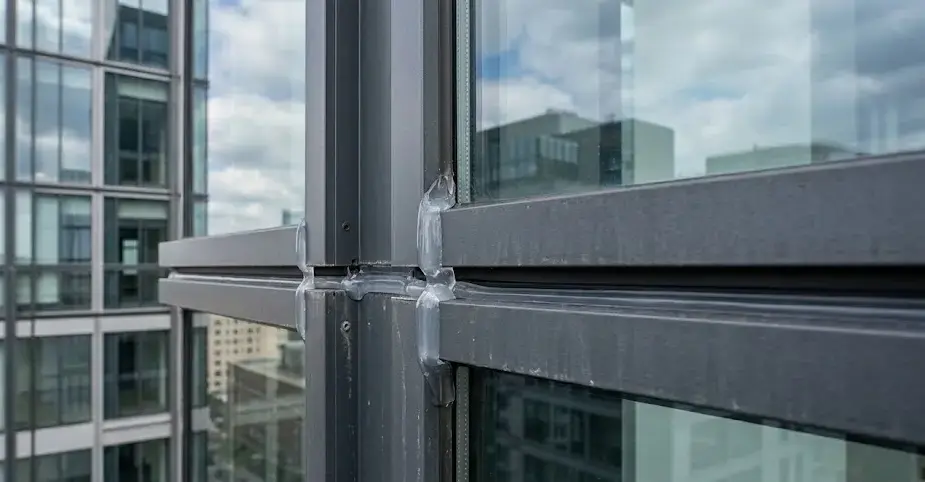
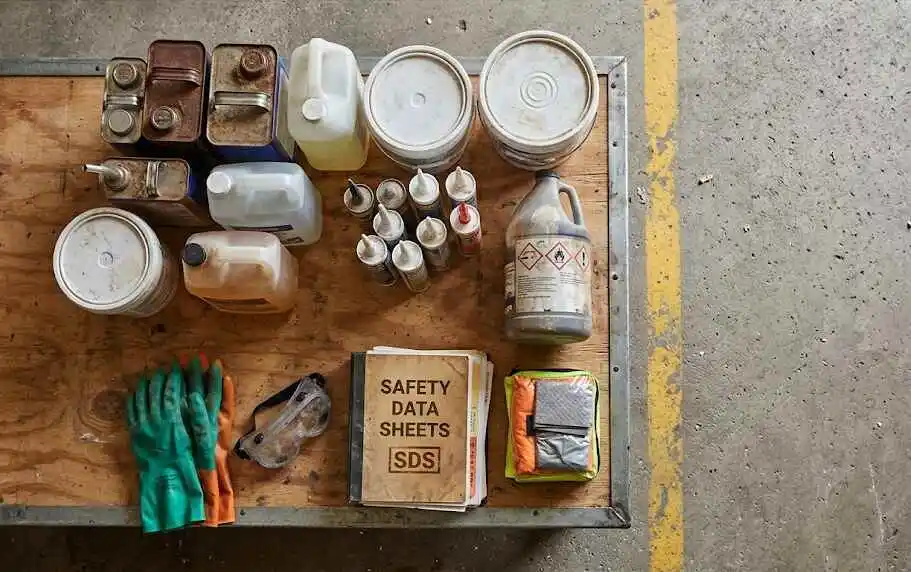
Most jobsite dangers announce themselves. Chemical harm rarely does. The clearest examples of chemical hazards in construction site settings are things crews touch or breathe daily: dust, fumes, fuel, paint, and glue. Many hazardous chemicals harm slowly, so symptoms can surface years later.
Key Takeaways
- Examples of Chemical hazards in Construction site work come as dusts, fumes, vapors, gases, and liquids.
- Top examples of chemical hazards in construction site work: silica, lead, asbestos, solvents.
- Chemical exposure occurs through the lungs, skin, eyes, and mouth.
- Eliminate or substitute first. PPE comes last.
What Counts as a Chemical Hazard?
A chemical hazard is any substance able to injure health or cause fire, burns, or explosions. Effects may be immediate (burns) or delayed (lung disease, cancer). Dose, duration, and entry route decide the outcome, so examples of chemical hazards in construction sites work differ from task to task.
Common Examples of Chemical Hazards in Construction Site Work
| Hazard | Typical source | Main risk |
| Silica dust | Cutting concrete, brick | Silicosis, lung cancer |
| Lead | Sanding old paint | Nerve, kidney damage |
| Asbestos | Renovating older buildings | Mesothelioma, asbestosis |
| Solvents | Thinners, adhesives | Dizziness, skin damage |
| Welding fumes | Welding stainless steel | Fume fever, lung cancer risk |
| Carbon monoxide | Generators, gas tools indoors | Collapse, death |
| Wet cement | Finishing concrete | Caustic burns |
| Fuels and acids | Gasoline, masonry cleaners | Fire, chemical burns |
| Diesel exhaust | Idling equipment | Lung irritation, cancer risk |
| Isocyanates, epoxies | Spray foam, flooring | Asthma, skin allergy |
| Asphalt fumes | Roofing, paving | Eye, airway irritation |
| Paint strippers | Methylene chloride products | Fatal overexposure indoors |
| Wood preservatives | Treated lumber | Skin, airway irritation |
Confined Spaces and Renovations
Enclosed areas trap carbon monoxide, toxic gases, and low oxygen, so confined spaces need air testing before entry. Renovations add lead and asbestos to the examples of chemical hazards on construction sites.
How to Control Chemical Hazards on Construction Sites
Begin with a written chemical inventory and risk assessment, then work down the hierarchy of controls. OSHA favors engineering and work-practice fixes, with respirators as backup.
- Substitute: choose water-based products.
- Engineer: use wet cutting, vacuum-fitted tools, and local exhaust.
- Communicate: OSHA’s rule (29 CFR 1926.59) requires labels, safety data sheets, and training on hazardous chemicals, in a language workers understand.
- Protect: provide gloves, goggles, and fitted respirators free of charge.
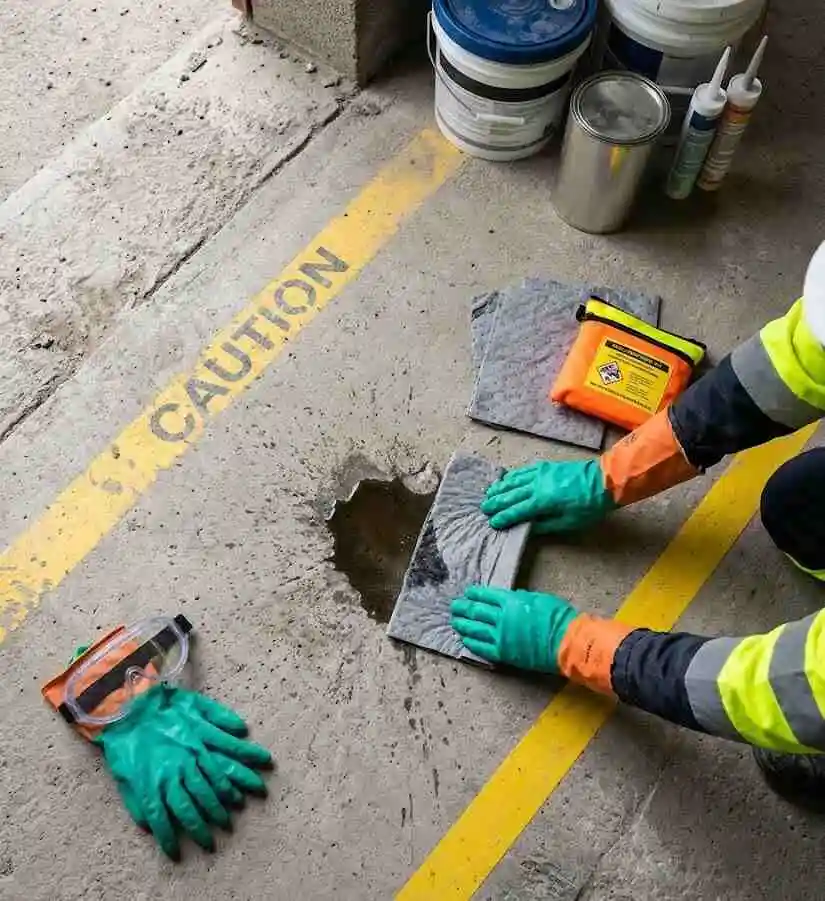
- Store: separate incompatible products and keep spill kits handy.
- Monitor: air sampling and medical checks apply under silica (1926.1153), lead (1926.62), and asbestos (1926.1101) rules.
- Clean up: wash up and change clothes to keep lead and asbestos dust away from family.
- Respond: flush eyes or skin for 15 minutes at a nearby eyewash or shower.
For limits and first aid on a specific substance, check the NIOSH Pocket Guide to Chemical Hazards from the CDC.
Frequently Asked Questions
What are some examples of chemical hazards in construction site work?
Silica, lead, asbestos, solvents, welding fumes, carbon monoxide, and isocyanates.
What are the main types of chemical hazards?
Dusts, fumes, vapors, gases, and liquids.
What is the most common chemical hazard in construction?
Silica is among the most widespread, since cutting concrete, brick, or stone creates fine, inhalable dust.
Are safety data sheets required for hazardous chemicals on site?
Yes. Employers must make them accessible and train workers to use them.
What should you do after chemical exposure on a job site?
Leave the source, flush skin or eyes for at least 15 minutes, follow the sheet’s first-aid steps, and seek medical care.
Bottom Line
Knowing these examples of chemical hazards in construction site work is only the start. Read labels, control exposure at the source, and use PPE last. To limit chemical exposure, ask your safety lead about unfamiliar products.