
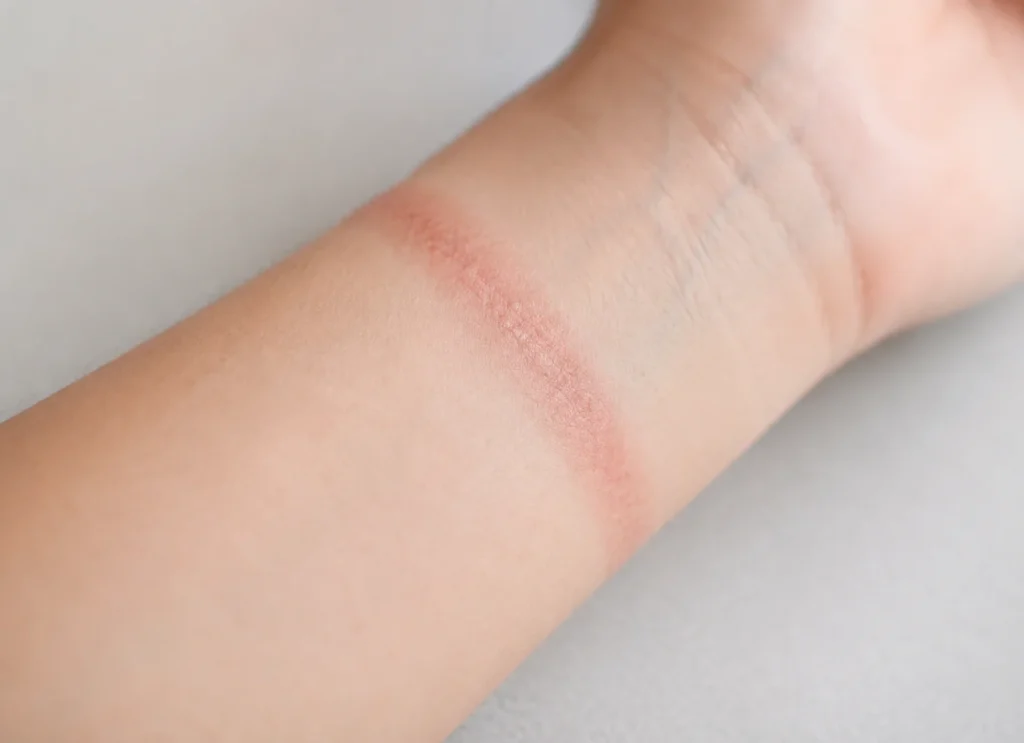
Silicone allergy sounds like a contradiction. Silicone is sold as gentle, hypoallergenic and safe for babies, kitchens and hospitals, and for most people that’s true. Still, doctors have documented rare cases where a rash, swelling or a failing medical device was eventually traced back to it.
Key Takeaways
- A true silicone allergy is rare. What we know comes mostly from individual case reports, not large studies, so nobody can say how common it is.
- Many reactions blamed on silicone turn out to be irritation, a reaction to additives or adhesives, or an infection.
- The most commonly described silicone allergy symptoms are red, itchy, blistering skin where a product touches you. Breathing trouble or facial swelling is an emergency.
- There is no single validated test. Doctors usually diagnose by ruling out other causes, sometimes with patch testing.
A link between silicone breast implants and whole-body symptoms has not been proven. If you have symptoms, see a doctor rather than deciding on your own.
What Is a Silicone Allergy?
An allergy is an immune reaction to something that’s normally harmless. In an allergic reaction to silicone, the immune system is thought to react to the silicone material or to something inside it. Silicone is a synthetic polymer built on a silicon-oxygen backbone. Unlike latex, pollen or peanuts, it doesn’t contain proteins, which is one reason it was long treated as biologically inert.
The reactions described so far are mostly the delayed kind, known as type IV hypersensitivity. Symptoms show up hours to days after contact instead of within minutes. A few reports have raised the possibility of immediate-type reactions too, but those are less well documented.
It’s also worth knowing what’s missing. Researchers describe the condition as rare, but large studies that count cases are lacking, so there are no dependable figures for how many people are allergic to silicone.
Is Silicone Allergy Real? What the Evidence Shows
Yes, it can happen, but the proof is thinner than most people expect. The table shows what each type of evidence can and can’t tell us.
| Type of evidence | What exists | What it can tell us |
| Case reports | Reactions to cochlear implants, brain shunts, pacemakers, breast augmentation, a gas mask and medical tubing | That a reaction can occur in a given person, but not how often |
| Patch test results within those reports | Positive results to parts of an implant or device | A delayed reaction to something in that device, which may be an additive rather than the silicone itself |
| Small observational studies on breast implants | Mixed findings on symptoms in women with implants | Not proof of an allergy, and not proof of harm either |
| Large population studies | Not available | Real prevalence remains unknown |
In short, case reports show the reaction is possible. They can’t show how often it happens or exactly which ingredient is responsible.
Silicone Allergy Symptoms
Silicone allergy symptoms depend on where the silicone touches your body and how your immune system responds. The patterns below are the ones described in the medical literature.
| Pattern | Typical timing | What it looks like |
| Allergic contact dermatitis | Hours to days after contact | A red, itchy rash, sometimes with swelling or blisters, in the spot where the product touches skin |
| Simple irritation (not an allergy) | Soon after friction or trapped sweat | Redness, stinging or chafing that improves once the product is off |
| Implant-related reaction | Weeks or longer after surgery | Redness, swelling or pain near the device, itching, and sometimes device problems |
| Immediate-type reaction (rare) | Minutes to hours | Hives, swelling of lips or face, wheezing or trouble breathing |
One published cochlear implant case described itching, hives and hair loss as possible warning signs of a reaction to the implanted device. In another, a toddler’s brain shunt kept failing, which first looked like an infection.
Some people with silicone implants also report fatigue, joint and muscle pain and brain fog. These symptoms are real to the people experiencing them, but they’re nonspecific, meaning many conditions can cause them. Research hasn’t shown that silicone is the cause.
What Really Triggers a Silicone Allergy?
It isn’t always the silicone itself. Finished silicone products can contain curing agents, fillers, pigments and other additives, and trace residues from manufacturing may remain. Devices often combine silicone with adhesives or other materials as well.
That matters for diagnosis. A positive patch test to a product doesn’t prove you’re allergic to the silicone polymer, because the reaction may be to one of these other components. Several other things can look like an allergic reaction to silicone:
- Irritant contact dermatitis: friction, sweat and trapped moisture under a strap or seal are generally considered more common causes of skin trouble than a true allergy.
- Latex allergy: the two materials are often used in similar products, and one case report had to sort out whether a child was reacting to latex, silicone or neither.
- Infection or foreign-body reactions: a swollen, painful area around an implant can be an infection or the body’s response to a foreign object rather than an allergy.
- Other allergens in the product: adhesives, dyes or preservatives on wearable devices are frequent culprits.
Where Silicone Allergy Has Been Reported
Most of the published examples involve medical devices. A few stand out:
- Cochlear implants: a 62-year-old man developed an allergic reaction within weeks of surgery. Patch testing pointed to the silicone part of the implant, and the device had to be removed. The authors noted only about six such explantations had been reported for allergic reactions.
- Brain shunts: an 18-month-old boy had repeated shunt failures that seemed to be infections, yet no microbes were found. Doctors suspected silicone hypersensitivity, and the problems resolved after the valve was swapped for one containing minimal silicone.
- Pacemakers: silicone-free custom components have been used successfully in patients with suspected reactions.
- Breast implants and skin contact: allergic contact dermatitis has been reported after silicone breast augmentation, and contact hives were described after wearing silicone rubber from a gas mask.
- Medical tubing in a child: a 2009 report in the journal Allergy examined a child with a suspected immediate-type reaction to latex and/or silicone. It’s a useful reminder that a reaction to a silicone product isn’t automatically an allergy to the silicone itself.
These are single cases, so treat them as warnings that something is possible, not as measures of risk.
Silicone Breast Implants and Whole-Body Symptoms
This is the most debated area. Some women with silicone breast implants report fatigue, joint pain, rashes and memory problems, sometimes called breast implant illness or ASIA (autoimmune/inflammatory syndrome induced by adjuvants). Those names describe a cluster of symptoms, not a confirmed diagnosis or mechanism.
The evidence points in different directions. Some women say their symptoms improved after the implants were removed. But two small observational studies, from the Netherlands and the United States, found no significant difference in symptom rates between women with cosmetic silicone implants and comparison groups. The symptom list also overlaps with conditions such as chronic fatigue syndrome and fibromyalgia.
So the honest summary is that it remains unresolved. If you have an implant and persistent symptoms, a doctor can look for other explanations and talk through your options.
How Is Silicone Allergy Diagnosed?
No single silicone allergy test reliably confirms it. Doctors usually work through the whole picture: what changed when symptoms started, whether they improve when the product is removed, and whether infections, autoimmune conditions or other allergies could explain them instead.
- Patch testing: an allergist or dermatologist applies small samples to the skin to look for a delayed reaction. In device cases, pieces of the actual implant or manufacturer materials have been used. Results need careful reading, since patch testing hasn’t been validated specifically for silicone hypersensitivity and positives often reflect other ingredients.
- Skin prick or intradermal tests: these have been described in reports, but they aren’t established as reliable for silicone either.
- Blood tests: anti-silicone antibody testing has been mentioned in some reports, but it isn’t standard practice.
- Tissue examination: in the shunt case, samples showed unusual inflammatory cells and a foreign-body reaction, which helped guide the diagnosis.
If you’re heading to an appointment, bring the product, its brand name and any packaging, plus a note on when symptoms began.
Silicone Allergy Treatment and Management
The first step in silicone allergy treatment is straightforward: stop using the suspected product. If the reaction is mild and limited to skin, a doctor may suggest topical hydrocortisone or an antihistamine, and you should use them only as advised.
Implants are harder. If symptoms began soon after surgery, other causes have been ruled out and the timing fits, a doctor may consider replacing or removing the device. Case reports describe alternatives such as polyurethane shunt systems and silicone-free pacemaker parts. Steroids may ease symptoms, but in the cochlear case they returned once steroids were stopped, and treatment ultimately required removing the device.
Severe reactions are different. Hives spreading over the body, swelling of the lips or face, wheezing, dizziness or trouble breathing need emergency care right away. If you already know you react to silicone, tell every surgeon and clinician before any procedure so they can check which materials will be used.
What We Still Don’t Know
- How many people are genuinely allergic to silicone.
- Whether reactions are mainly to the polymer or to additives and residues.
- Whether silicone can cause whole-body symptoms in some people with implants.
- Which test is the most reliable for diagnosing it.
- Which silicone allergy treatment works best when a device can’t easily be removed.
This article is for general information and isn’t medical advice. A doctor or allergist who can examine you is the right person to sort out a suspected reaction.
Faqs
Can you be allergic to silicone?
Yes, but it’s rare. Case reports describe allergic reactions to silicone in devices such as cochlear implants and brain shunts. Because large studies are missing, no one knows exactly how common it is, and many suspected cases turn out to be reactions to other ingredients.
What are the symptoms of a silicone allergy?
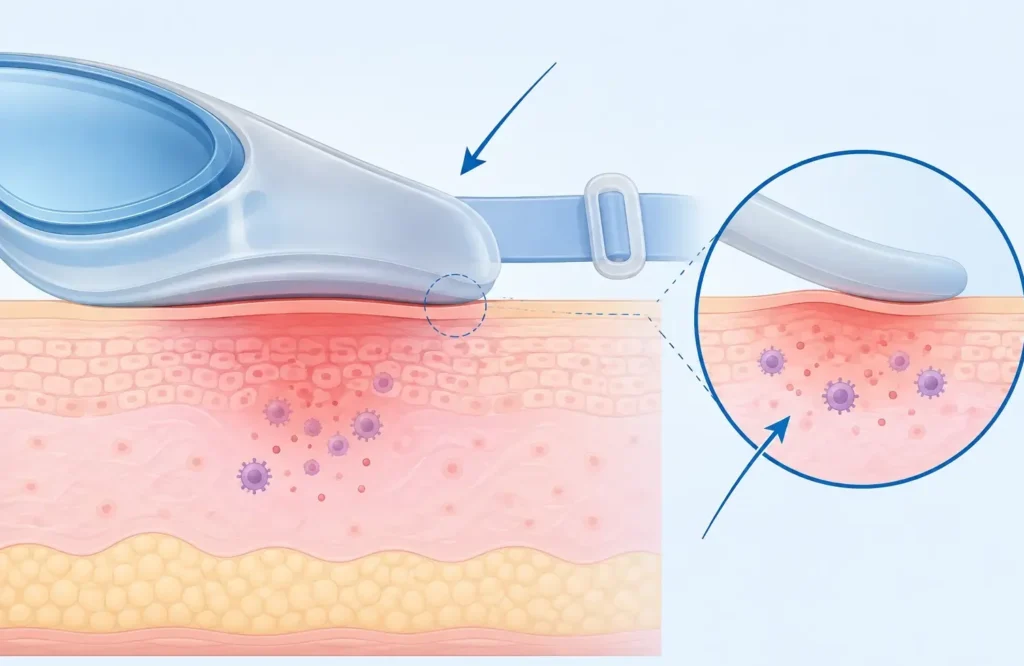
The most commonly described silicone allergy symptoms are redness, itching, swelling and blistering where silicone touches the skin, usually appearing hours or days later. Around an implant you might notice swelling, pain or itching. Hives and breathing difficulty are rare but need urgent care.
How do you test for a silicone allergy?
There’s no single validated silicone allergy test. An allergist or dermatologist may use patch testing and review your history to rule out other causes. Positive results can reflect other components of a product, so the whole clinical picture matters.
Is silicone allergy the same as a latex allergy?
No. Latex is a natural rubber containing proteins that can trigger allergy, while silicone is a synthetic polymer. They’re often used in similar products, though, so doctors sometimes have to work out which one is responsible.
Can silicone breast implants cause an allergic reaction?
Skin reactions have been reported after silicone breast augmentation. Whole-body symptoms, sometimes called breast implant illness, are debated, and studies haven’t proven silicone is the cause. Speak to your surgeon or doctor if you have symptoms.
Can silicone cause skin irritation without an allergy?
Yes. Skin irritation can happen without a true silicone allergy. Friction, sweat and trapped moisture under a strap or seal can cause redness, stinging or chafing, and adhesives, dyes or other ingredients in a silicone product can also trigger a reaction. If symptoms continue or are severe, a doctor or allergist can help determine the cause.
Bottom Line
A silicone allergy is real but rare, and most of what we know comes from individual case reports. Established facts are limited to this: reactions can occur, they are usually delayed, they show up most often as skin problems or trouble with implanted devices, and additives or other materials may be to blame instead of the silicone itself.
What remains uncertain is how common it is, which silicone allergy test is best and whether silicone causes whole-body symptoms in some people. If you suspect a reaction, stop using the product, note the timing and see an allergist or doctor. Get emergency help for breathing trouble or facial swelling.