A silicone scar sheet is usually the first thing a surgeon or dermatologist suggests once a wound has closed. It’s cheap, easy to find and wrapped in big promises. So does a silicone scar sheet really work, or is it just well-marketed rubber?
The honest answer sits somewhere in the middle. It’s a low-risk option that experts back, but the trial evidence is weaker than most product pages let on. Here are seven facts worth knowing before you buy.
Key Takeaways
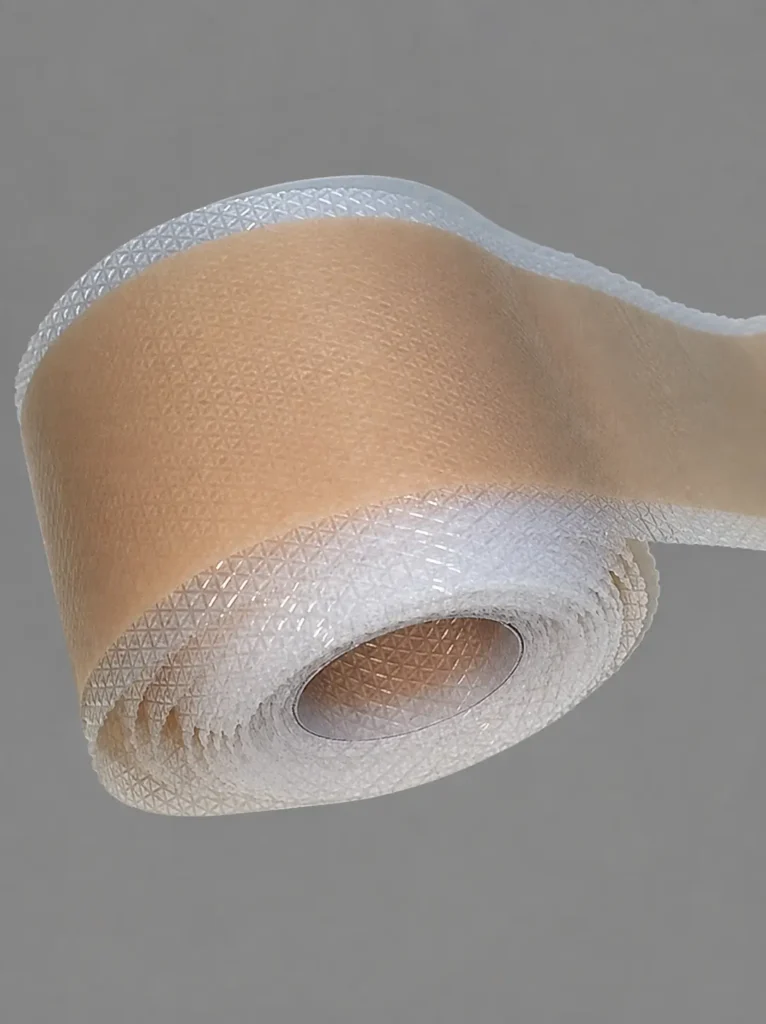
A silicone scar sheet is a soft, sticky pad of medical-grade silicone that you wear over a fully closed scar.
Expert panels treat silicone as a standard first step for raised scars. It is non-invasive and relatively affordable.
Cochrane reviews rate the trial evidence as low or very low certainty. It looks most promising for preventing raised scars in high-risk people and least clear for keloids.
Nobody has proven exactly how silicone works. Extra hydration is the leading theory.
Most products ask for 12 to 24 hours of wear a day for several months. The trials themselves lasted 3 to 12 months.
Never place a sheet on an open wound. Side effects are usually mild skin irritation.
1. What Is a Silicone Scar Sheet?
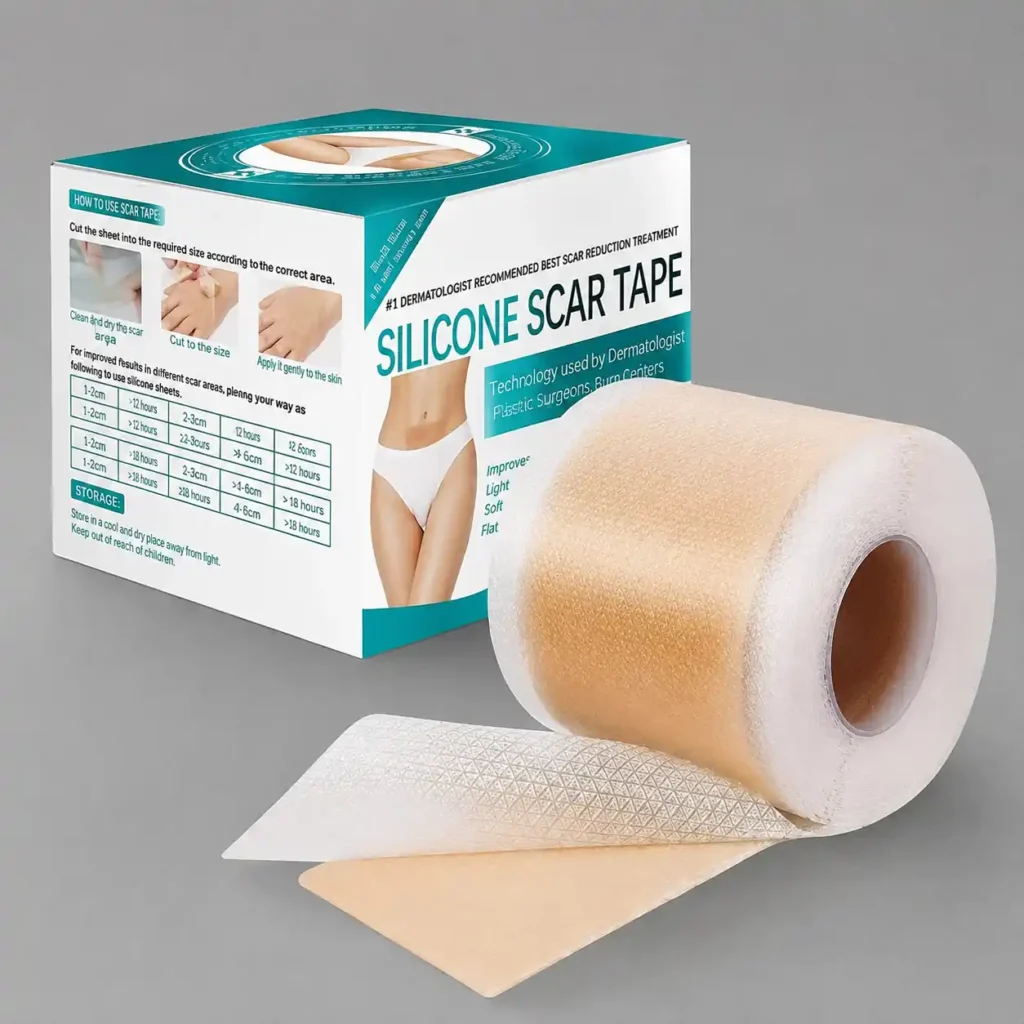
A silicone scar sheet is a thin, flexible pad made from medical-grade silicone. Its slightly tacky surface sticks to skin without extra tape. Despite the name, it isn’t a runny gel. Researchers describe it as an elastic, rubbery form of silicone.
You’ll see the same product sold as silicone gel sheeting, silicone scar tape, patches or strips. Clinical papers prefer the first term. The label changes, but the idea stays the same: a soft silicone layer sitting on top of the scar.
Some sheets are washable and reusable for days. Others are replaced once the edges stop sticking. Silicone sheets for scars have been used for more than 30 years.
2. How Does a Silicone Scar Sheet Work?
Nobody knows for certain. Researchers have several theories, but none is settled.
The leading idea is hydration. Newly healed skin loses water quickly, and that dryness is thought to nudge cells into making extra collagen. Too much collagen is what makes a scar thick and raised. A silicone strips for scar seals the surface, so the skin holds on to more water, which may calm that response.
Two other ideas get mentioned as well. The sheet may take tension off the wound edges, and it may warm the skin slightly. Both are proposed mechanisms, not established facts.
This matters because if hydration is the driver, a silicone gel for scars should work in much the same way. Some head-to-head studies point that way, as you’ll see below.
3. Does a Silicone Scar Sheet Actually Work? What the Research Says
Let’s separate what experts recommend from what trials have actually shown.
What the experts recommend
International scar management panels describe silicone sheets for scars as a well-established, non-invasive option. For established keloids, though, the 2014 recommendations name steroid injections as the preferred first choice.
What the systematic reviews found
| Question | What reviewers found | Certainty of evidence |
| Can it prevent raised scars in high-risk people? | Silicone gel sheeting was linked to a lower risk of abnormal scarring than no treatment (risk ratio 0.46, 95% CI 0.21 to 0.98). | Weak. Trials were poor quality. |
| Does it help treat hypertrophic scars? | It may slightly improve appearance compared with onion extract and may ease pain compared with pressure garments. The effect on scar severity versus no sheet is unclear. | Low to very low |
| Does it help treat keloids? | Only two small trials (36 people) qualified. Reviewers could not tell whether silicone gel sheeting beats no treatment or steroid injections. | Very low |
| Is a sheet better than silicone gel? | A 2020 trial in deep hand burns found no significant difference. Both beat pressure garments alone. | Limited. Small trials. |
Why it is hard to prove
Scars change on their own. Hypertrophic scars often flatten and fade over months or years, so without a proper comparison group almost any treatment can look effective.
Patient experience is another blind spot. The 2021 Cochrane review found no usable data on how people rated their own scars, on quality of life or on cost.
So, does a silicone scar sheet work? Probably a little, and prevention in high-risk people is where the case is strongest. But “proven” is too strong a word for it.
4. Which Scars Can a Silicone Scar Sheet Help?
Most of the research covers raised scars, so that’s where for scars make the silicone strips for scar most sense.
- Fresh surgical scars: Often started once the incision has closed, especially if you tend to scar heavily.
- Hypertrophic scars: Red, thick scars that stay within the original wound edges. They often improve with time anyway.
- Keloids: Raised scars that spread beyond the original wound. The evidence for sheets is very uncertain, so ask a doctor about steroid injections too.
- Burn scars: Sheets are widely used here, including in trials of deep hand burns with skin grafts.
- Sunken scars: Trials focus on raised scars. Pitted acne scars, for example, aren’t what these studies tested.
Even in the best case, a scar won’t disappear. The realistic goal is a flatter, softer and less noticeable scar.
5. How to Use a Silicone Scar Sheet Step by Step
Using a silicone scar sheet correctly matters as much as the product you choose. This is the routine most instructions follow, whether you buy a cut-to-size sheet or silicone scar tape on a roll.
- Wait until the wound has fully closed. That means no scab, no open patches and no drainage. Check with your surgeon first. For many surgical wounds this is roughly one to three weeks in, but healing speeds vary.
- Clean the skin. Wash the scar with mild soap and water, rinse, and dry it completely.
- Trim the sheet. Cover the whole scar with a small margin. Your leaflet will say how much overlap to leave.
- Press it on. Smooth out any air bubbles so the edges lie flat.
- Wear it as directed. Most products ask for 12 to 24 hours a day.
- Do a daily reset. Once a day, remove the sheet, wash and dry the skin, then reapply. Wash a reusable sheet too.
- Stay consistent. Some sources put the first visible change at roughly 60 to 90 days, but scars vary.
6. Silicone Scar Sheet vs Silicone Gel for Scars
A silicone scar sheet isn’t your only option. Silicone gel does a similar job and comes in a tube.
| Feature | Silicone scar sheet | Silicone gel |
| Form | Adhesive pad or strip | Spreadable gel that dries clear |
| Best suited to | Flatter areas of skin | Faces, necks, joints and sensitive or irregular skin |
| Daily routine | Wash, dry and reapply. May lift with sweat or water. | Apply to clean skin. Can sit under makeup and sunscreen. |
| Evidence | Limited trials. Unclear whether better or worse than gel. | Limited trials. One expert review found gel performed as well or better. |
In practice, the best choice is often the one you’ll actually stick with. If a sheet keeps peeling off or irritating your skin, switching to a silicone gel for scars is a sensible move. Some product guides suggest using gel whenever the sheet is off, but not layering the two.
What to Check Before You Buy
Sheets look alike on the shelf, but a few details decide whether a silicone strips for scar will suit you. Run through this quick list before you pick one.
- Size and cut-to-size options: Measure your scar first. Long incisions may need a roll or a large sheet you can trim, and it should cover the whole scar with a small margin.
- Fabric backing: Some sheets have a fabric layer on top, while others are plain, thin silicone. Backing can feel softer and grab less on clothing. The choice is mostly about comfort.
- Reusable or single-use: Reusable sheets are washed and reapplied but lose their grip over time. Single-use sheets are simpler but need replacing more often.
- Price per week of wear: Divide the pack price by the number of weeks it will realistically last. A cheap pack that lasts a few days can cost more per week than a pricier sheet that lasts longer.
- Suitability for sensitive skin: Check the product details for skin-safety information and follow the leaflet. Trying it on a small area first can help, and gel may be gentler if sheets irritate you.
7. Side Effects and When a Silicone Scar Sheet Isn’t Right
Silicone sheets for scars are generally well tolerated, and problems are usually mild. The most commonly reported ones are:
- Itching, rash or redness
- Skin breakdown under the sheet
- An unpleasant smell
- More irritation in hot climates
Washing the area daily lowers the risk of irritation and infection. If redness, itching or soreness doesn’t settle, stop using the sheet and speak to a doctor or pharmacist.
Skip the sheet on open, weeping or infected wounds. In the US, the FDA classifies silicone sheeting as a device for closed scars.
See a doctor if your scar keeps growing past the edges of the wound, hurts, itches badly or limits movement. Those signs can point to a keloid or another problem that needs more than a sheet.
If a Sheet Isn’t Enough
If a scar is still raised, itchy or painful after several months of steady use, a silicone strips for scar may not be the right tool on its own. A doctor may suggest another option, either instead of silicone or alongside it.
| Option | May be considered when | Worth knowing |
| Silicone sheet | A wound has closed and you want a low-risk first step, especially if you scar heavily. | Low cost and mild side effects, but the evidence is low certainty. |
| Steroid injections | A keloid or thick, raised scar needs stronger treatment. The 2014 recommendations name them as the preferred first choice for established keloids. | Given by a clinician, often over several visits. They can thin or lighten the skin. |
| Laser treatments | A mature scar stays red, or its texture bothers you. Pulsed dye lasers are often used for redness. | Usually needs several sessions and costs more. Results vary, and skin colour changes are possible. |
| Pressure garments | Larger burn scars or grafted areas, usually under a burn or scar specialist. | Worn for much of the day for months, which can be hot and tiring. In the 2020 hand-burn trial, silicone beat garments alone. |
These are not rivals in a race. The right choice depends on the scar’s age, size, location and type, and on your skin. A dermatologist or plastic surgeon can help you weigh the benefits, costs and risks.
Faqs
Does a silicone scar sheet really work?
It may help a little, especially in preventing raised scars in people who scar heavily. Cochrane reviews rate the evidence as weak to very low certainty, so results aren’t guaranteed. It won’t erase a scar, but it may leave one flatter and softer.
How long should you wear a silicone scar sheet each day?
Most products ask for 12 to 24 hours a day, with a daily break to wash the skin. Plan on at least two to three months, and often longer, since trials of silicone sheets ran from 3 to 12 months. Follow your product’s leaflet.
When can you start using a silicone scar sheet after surgery?
Wait until the wound has completely closed, with no scab, open areas or drainage. For many surgical wounds that’s about one to three weeks after the operation, but check with your surgeon first.
Can a silicone scar sheet help old scars?
It may improve older raised scars, although practitioners generally say newer scars respond better. That view rests mostly on clinical experience rather than head-to-head trials. A thick, painful or itchy old scar is worth showing to a dermatologist.
Can you shower or sleep with a scar sheet on?
Sleeping in one is popular because it makes long wear easy. Showering is trickier. Water, sweat and bath products can loosen the adhesive, so most people remove the sheet, wash, dry the skin and reapply.
Is a silicone scar sheet better than silicone gel?
Not clearly. A 2020 randomized trial in deep hand burns found no significant difference between the two, and both beat pressure garments alone. Gel is usually easier on faces, joints and sensitive skin, while a sheet suits flatter areas.
Can you reuse a scar sheet?
Some can. Washable sheets are rinsed with mild soap, air-dried and reapplied for up to about 10 days, while single-use types are thrown away once they stop sticking. Check the packaging, because limits vary by brand. Reuse time can vary by brand and product, with recommendations ranging from about 7–10 days to 6–8 weeks, so the “about 10 days” figure should be presented as a general guideline.
Are silicone scar sheets FDA approved?
Not in the strict sense. The FDA classifies silicone sheeting for closed hypertrophic and keloid scars, including products sold as silicone scar tape, as a Class I device exempt from premarket notification. Manufacturers can sell it without premarket clearance, so its regulatory status alone doesn’t prove it works.
Conclusion: Is a Silicone Scar Sheet Worth It?
A silicone scar sheet is a commonly used, low-risk option for managing raised or high-risk scars. The available evidence suggests it may help, particularly with preventing raised scars in people who tend to scar heavily, although the certainty of the research is limited. It will not erase a scar, but consistent use may help make a scar flatter, softer and less noticeable.
Use it only after the wound has fully closed, keep the skin clean, and follow the product instructions for wear and replacement. If a scar is painful, spreading beyond the original wound, very itchy, or affecting movement, speak with a doctor or dermatologist rather than relying on a silicone sheet alone.
This article is for general information only and isn’t a substitute for advice from a doctor.