Consumption of chemicals in textile processing machine operations directly influences product quality, production efficiency, and environmental impact. From pretreatment to finishing, every stage depends on precise chemical control. This article explores critical factors, machine types, and smart strategies to reduce waste and optimize chemical usage in modern textile manufacturing.
Table of Contents
Why Chemical Use Matters in Textile Machines
The consumption of chemicals in textile processing machine operations plays a decisive role in both product quality and production efficiency. Without the right chemical inputs, even the most advanced machines fall short—colors fade, fibers weaken, and finishes fail to meet performance benchmarks.
Why does this matter? Every stage—desizing, scouring, bleaching, dyeing, printing, finishing—relies on precision chemical applications. A poorly dosed machine wastes resources and jeopardizes consistency, compliance, and customer confidence.
Chemical usage impacts more than looks. It dictates how fabrics absorb dyes, respond to stress, and withstand repeated use. In high-speed production, where margins are tight, the consumption of chemicals in textile processing machine systems becomes a lever for strategic advantage.
Chemical input is the machine’s silent partner. Get it wrong, and costs spiral—water surges, reprocessing increases, energy spikes. Get it right, and output flows with minimal waste and maximum value.
Consumption of Chemicals in Textile
The consumption of chemicals in textile processing machine systems reflects the balance between performance, precision, and sustainability. It’s not a background detail—it’s a metric tied to profitability and regulatory compliance.
So, what does this consumption involve? Dyeing machines use surfactants, dispersants, leveling agents, and pH regulators. Finishing units add softeners, crosslinkers, and resins. Each chemical must align with machine parameters, fabric types, and processing conditions. Even a small mismatch can trigger defects or violations.
| Process Stage | Typical Chemicals Used | Usage (g/kg fabric) |
| Pretreatment | Wetting agents, alkalis, sequestering agents | 30–50 |
| Dyeing | Dyes, dispersants, leveling agents | 40–70 |
| Finishing | Softeners, stiffeners, wrinkle-resist agents | 20–40 |
Modern systems with auto-dosing outperform manual setups. The consumption of chemicals in textile processing machine lines becomes more efficient when usage is tracked per batch, per shift, even per meter.
Machines and Their Chemical Needs
The consumption of chemicals in textile processing machine operations varies significantly by machine type. Each machine has its own chemical demands based on how it treats the fabric and the pace at which it operates.
Jet dyeing machines need low liquor volumes and high chemical concentration. Padding mangles require consistent viscosity. Rotary screen printers work fast—but need tight control to avoid foaming and blotching.
| Machine | Function | Key Chemicals |
| Jet Dyeing | Deep dye penetration | Dispersants, pH buffers, reactive dyes |
| Padding Mangle | Surface coating | Softeners, binders, finishing agents |
| Winch Dyeing | Gentle dyeing | Wetting agents, leveling agents |
| Rotary Screen Printer | Fabric printing | Pigments, thickeners, antifoams |
| Stenter Frame | Heat finishing | Resins, crosslinkers, silicone additives |
The consumption of chemicals in textile processing machine systems is tightly linked to fabric throughput and process design. Closed-loop systems help minimize waste, while open baths tend to lose chemicals through overflow or evaporation.
Top Chemicals in Dyeing and Finishing
The consumption of chemicals in textile processing machine routines peaks during dyeing and finishing—where performance meets visual appeal. Each chemical plays a specific, irreplaceable role.
Pretreatment
- Wetting agents: Improve absorbency
- Sequestering agents: Offset hard water
- Alkalis: Clean natural oils from fibers
Dyeing
- Dispersants: Maintain dye distribution
- Leveling agents: Avoid streaks
- Fixing agents: Improve wash durability
Finishing
- Softeners: Enhance texture
- Resins: Add wrinkle resistance
- Silicones: Improve smoothness and flexibility
No single chemical works in isolation. The consumption of chemicals in textile processing machine systems must be calibrated—not improvised. The wrong mix leads to costly corrections, rejected lots, or customer dissatisfaction.
What Affects Chemical Consumption?
The consumption of chemicals in textile processing machine workflows is shaped by five key variables: fabric type, machine design, load size, water quality, and processing speed.
Cotton absorbs more chemicals than polyester. Blends demand dual-treatment strategies. Modern machines with efficient liquor flow consume less. Overloading leads to patchy results; underloading wastes resources.
| Factor | Effect on Usage |
| Fabric Type | Affects absorbency and chemical retention |
| Machine Design | Dictates liquor ratio and dosing accuracy |
| Load Size | Influences penetration and distribution |
| Water Hardness | Drives need for stabilizers and sequestrants |
| Line Speed | Higher speeds require stronger chemical dosage |
The consumption of chemicals in textile processing machine setups is highly responsive. Precision matters—guesswork doesn’t. To maintain process integrity and confirm chemical compatibility, chemical testing of textiles is essential at key stages of production.
Cutting Waste: Smart Chemical Management
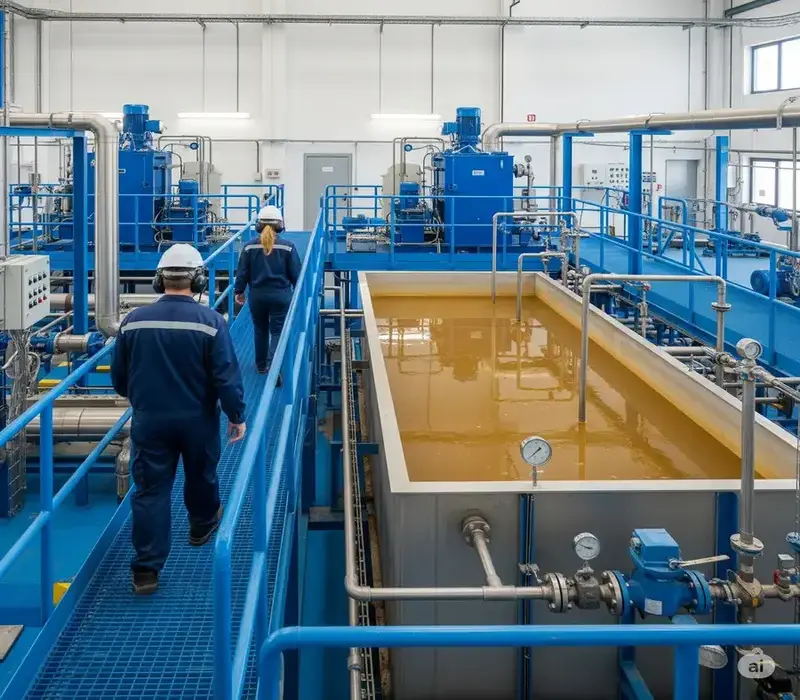
The consumption of chemicals in textile processing machine operations is a hidden cost driver. Trimming waste means trimming losses—and boosting sustainability in the process.
Smart Efficiency Tactics
- Auto-dosing reduces manual error
- Lower liquor ratios reduce input volume
- Batch tracking software detects inefficiencies
- Recovery systems recycle chemicals
- Standard recipes improve consistency
Switching to concentrated formulations saves space, transport, and packaging. The consumption of chemicals in textile processing machine systems becomes leaner and more compliant with every optimized step.
And behind the machines? People. Operator training in dosage, sequencing, and equipment calibration creates long-term gains. Efficiency isn’t just a button—it’s a habit.
Choosing Machines That Use Less Chemicals
The consumption of chemicals in textile processing machine operations starts with choosing the right equipment. Some machines use less—by design.
Look for systems with:
- Low liquor ratios (1:4 or better)
- Programmable dosing for accuracy
- Closed-loop recycling
- Built-in pH and temperature controls
| Feature | Benefit |
| Low liquor ratio | Cuts chemical and water use |
| Programmable dosing | Prevents overuse |
| Closed-loop circulation | Recovers chemicals |
| Smart process control | Ensures consistent treatment |
Choosing wisely upfront shapes long-term savings. The consumption of chemicals in textile processing machine lines should be minimized—not managed after the fact.
FAQs
What are some of the chemicals used in textile processing?
Textile processing commonly involves surfactants, alkalis, sequestering agents, dyes, dispersants, leveling agents, softeners, resins, and silicone-based finishes. Each stage—pretreatment, dyeing, and finishing—uses targeted chemicals to alter fiber behavior, enhance appearance, and improve durability.
How is chemistry used in the textile industry?
Chemistry is central to textile production. It enables fiber modification, color fixation, moisture control, and functional finishes such as flame resistance or wrinkle reduction. Every textile process, from scouring to softening, relies on chemical reactions for consistent and controlled results.
What are the hazards of the textile processing industry?
Hazards include chemical exposure, wastewater contamination, air emissions from volatile compounds, and physical risks from high-temperature operations. Improper handling or disposal of chemicals can affect worker safety, local ecosystems, and regulatory compliance.
How much water does the textile industry consume?
The textile industry is one of the largest industrial consumers of water. Estimates suggest it takes approximately 200 liters of water to process 1 kilogram of fabric, though this varies by machine type, liquor ratio, and chemical concentration. Efficient equipment and chemical management can reduce this significantly.