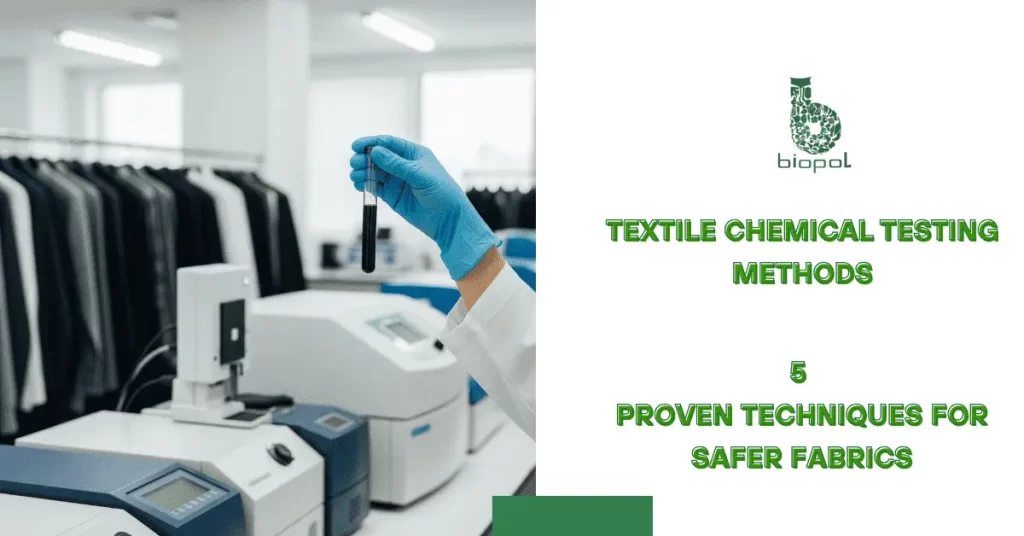
Textile chemical testing methods are vital for detecting harmful residues hidden in everyday fabrics. From azo dyes to heavy metals, these substances pose serious health risks. This article explores essential testing techniques, regulatory standards, and emerging innovations that help manufacturers protect consumers and ensure global compliance.
Table of Contents
Hidden Chemicals in Everyday Fabrics
Textile chemical testing methods have become an essential safeguard in modern manufacturing. Why? Because fabrics often harbor invisible risks. Behind soft textures and vivid colors, harmful residues—left over from dyes, treatments, or pesticides—can silently persist.
A cotton T-shirt might seem harmless, but beneath the surface could lie traces of formaldehyde, azo dyes, or heavy metals. Worn close to the skin for hours, such contaminants pose real health risks. Fortunately, textile chemical testing methods are designed to detect, isolate, and eliminate these hazards before they ever reach the consumer.
Here’s what testing commonly reveals:
- Azo dyes that release carcinogenic amines
- Formaldehyde known to trigger allergic or respiratory reactions
- Heavy metals like lead and cadmium that accumulate through prolonged exposure
- Pesticide residues in untreated natural fibers like cotton
Even in trace amounts, these substances breach global safety limits. Regulatory bodies don’t tolerate guesswork. Testing is not optional—it’s essential for public safety and brand accountability.
What You Need to Know
Textile chemical testing methods act as a regulatory and ethical checkpoint. Every material, whether used in garments, upholstery, or industrial fabrics, undergoes chemical scrutiny before distribution. It’s not just about passing audits—it’s about delivering safe, compliant products to a global marketplace.
These methods identify and quantify chemicals introduced during manufacturing—dyes, resins, finishes, softeners—ensuring they stay within legal thresholds. Miss this step, and the fallout could include rejected shipments, fines, or worse: consumer harm.
Core testing procedures include:
- GC-MS: Gas Chromatography–Mass Spectrometry for detecting volatile organic compounds
- AAS: Atomic Absorption Spectroscopy to analyze metals
- FTIR: Fourier Transform Infrared Spectroscopy for synthetic fibers
- pH testing: Determines whether a fabric is skin-friendly
- Colorfastness: Ensures dyes won’t bleed or fade under stress
Each method is selected based on the chemical profile of the material and the standards of the destination market. From REACH to OEKO-TEX®, the rules are firm. Results must be repeatable, quantifiable, and documented.
Key Tests: Dyes, Metals, and Formaldehyde
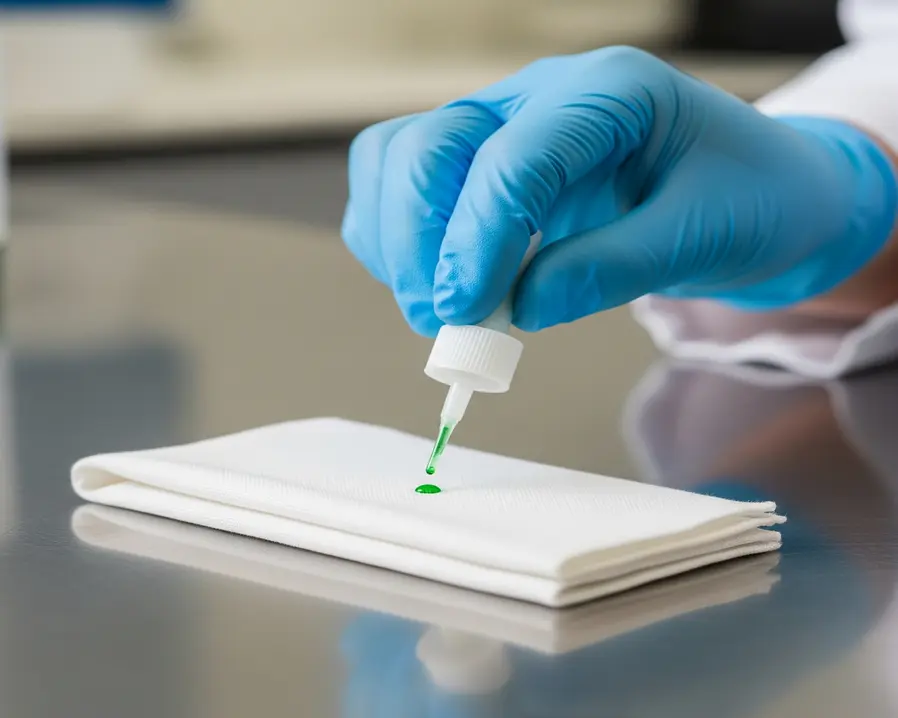
Some chemicals raise louder alarms than others. Textile chemical testing methods specifically target high-risk compounds—most notably azo dyes, heavy metals, and formaldehyde.
Azo dye tests identify dyes that break down into carcinogenic aromatic amines. While these dyes produce bright colors, they can leave dangerous residues. GC-MS methods catch them early.
Heavy metal screening is crucial for children’s wear and skin-contact textiles. Metals such as mercury, chromium, and lead are strictly regulated. AAS and ICP-MS provide accurate trace detection.
Formaldehyde, once widely used for wrinkle resistance, is now a major concern. Linked to respiratory and skin issues, its use is severely limited. Spectrophotometry detects its presence, even after laundering or ironing.
These tests form the backbone of chemical safety in textiles. Ignoring them puts both people and profits at risk.
Global Rules: REACH, CPSIA & OEKO-TEX®
Textile chemical testing methods only have meaning when aligned with standards. REACH, CPSIA, and OEKO-TEX® serve as the global rulebook. Compliance isn’t just encouraged—it’s enforced.
- REACH: The EU’s regulation restricts a wide range of hazardous substances. It’s strict, regularly updated, and unforgiving of non-compliance.
- CPSIA: In the U.S., this law governs children’s textile products. It enforces testing for lead, phthalates, and flammability.
- OEKO-TEX®: Though voluntary, this certification has become a buyer prerequisite. It includes tests for substances not yet legislated but still considered harmful.
Meeting these standards means more than accessing markets. It signals responsibility, transparency, and brand maturity.
Manual vs Automated Testing
Textile chemical testing methods today use a mix of traditional skill and modern automation. Manual testing remains relevant for nuanced analysis—such as titration or sensory evaluations. It allows chemists to adjust for unexpected variables.
However, automated systems now dominate large-scale operations. They test multiple parameters at once, with AI tools optimizing fabric analysis. The result? Higher throughput, consistent precision, and faster turnaround.
| Aspect | Manual | Automated |
| Speed | Moderate | Fast |
| Flexibility | High in anomalies | Limited in edge cases |
| Cost per sample | Higher | Lower at scale |
| Accuracy | Variable | Consistent |
| Human oversight | Required | Minimal |
In practice, many labs use both—manual expertise for gray areas and automation for everything else.
Choosing the Right Testing Lab
The effectiveness of textile chemical testing methods hinges on the lab behind them. Choosing the right facility is more than ticking boxes—it’s a business-critical decision.
Look for:
- ISO/IEC 17025 accreditation
- Comprehensive test capabilities (REACH, CPSIA, OEKO-TEX®)
- Experience with various textile types
- Transparent reporting and data clarity
- Recognition from global buyers and regulators
Third-party labs, free from internal bias, are often preferred. They offer reliability, neutrality, and market-ready documentation.
Future Trends in Textile Testing
Textile chemical testing methods are shifting rapidly. Sustainability, digitization, and predictive testing are driving the next generation.
- Green testing now focuses on reducing chemical use, energy, and waste.
- AI tools can flag chemical risks based on supplier inputs and fabric profiles.
- Blockchain verification allows real-time traceability across supply chains.
- Non-invasive tests promise to analyze fabrics without destruction or delay.
Testing is no longer about reacting. It’s about anticipating.
With sustainability gaining ground, manufacturers are not only testing textiles but also reevaluating production byproducts. Learn how the treatment of textile wastewater by chemical methods for reuse is becoming a critical step in eco-compliant operations.

Why Testing Protects Your Brand
Textile chemical testing methods are a brand’s shield. In a market where customers question everything—from sourcing to safety—testing is proof. Proof that what’s sold is safe. That the brand cares. That the product deserves shelf space and consumer trust.
Fail to test, and the consequences are clear:
- Expensive recalls
- Legal liabilities
- Damaged brand credibility
Proactive testing prevents surprises and builds long-term resilience. Because in today’s marketplace, trust is earned—one tested product at a time.
FAQ
What is chemical testing in textiles?
Chemical testing in textiles refers to the laboratory analysis of fabrics to detect the presence of harmful or regulated substances such as dyes, formaldehyde, heavy metals, and pesticides. These tests confirm whether the textile meets health, safety, and environmental standards required by global regulations.
What are the methods of textile testing?
Textile chemical testing methods include:
- GC-MS (Gas Chromatography-Mass Spectrometry) – Detects volatile organic compounds
- AAS (Atomic Absorption Spectroscopy) – Identifies heavy metals
- FTIR (Fourier Transform Infrared Spectroscopy) – Analyzes chemical bonds in fibers
- Spectrophotometry – Measures dye and formaldehyde levels
- pH testing – Assesses fabric acidity or alkalinity
Each method targets specific chemical risks and is chosen based on product type and compliance requirements.
How to test for chemicals in clothes?
Chemical testing in clothing is done by collecting fabric samples and submitting them to accredited laboratories. Tests are performed using advanced instruments to detect substances like azo dyes, formaldehyde, or heavy metals. Some brands use third-party labs for unbiased certification, especially for exports or children’s products.
What is the chemical process in textiles?
The chemical process in textiles includes treatments applied during manufacturing such as dyeing, bleaching, printing, finishing, and coating. These processes often involve the use of synthetic chemicals to improve color, texture, durability, or performance. Testing ensures these chemicals do not exceed safe or legal limits in the final product.