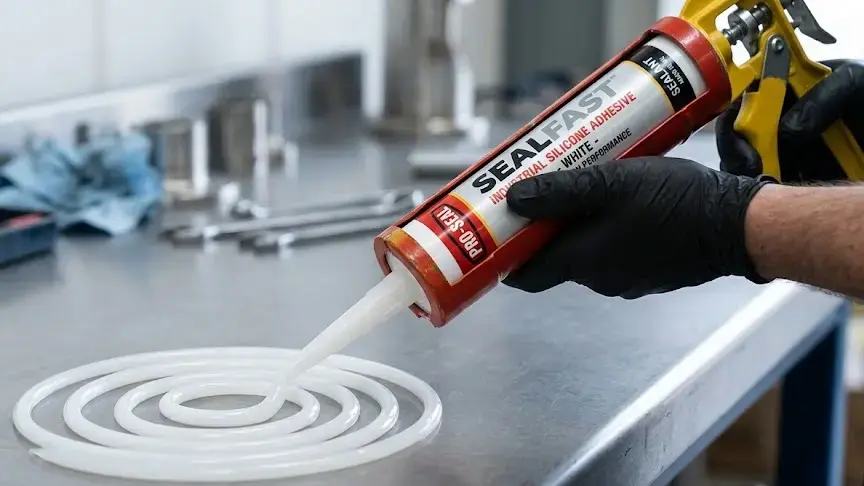
High performance silicone materials are advanced synthetic polymers composed of siloxane chains, engineered to deliver stability under extreme environmental conditions. These materials are valued for their resistance to heat, chemicals, and electrical stress. Why are they preferred across critical industries? Their dependable behavior across temperature extremes, combined with regulatory compliance, makes them indispensable.
Key Takeaways
- High performance silicone materials are engineered for extreme conditions
- Available in multiple types like LSR, HTV, RTV, and fluorosilicone
- Frequently used throughout automotive, healthcare, and electronics fields
- Governed by strict standards such as FDA, ISO, and UL
- Distinct from silicon, which is a chemical element
- Appreciated for safe performance, robust durability, and long-term use
What are high performance silicone materials and their key properties?
High performance silicone materials are formulated to exceed standard elastomer capabilities in demanding environments.
Core properties include:
- Temperature resistance: -60°C to +300°C
- उत्कृष्ट electrical insulation
- UV, ozone, and weather resistance
- Chemical inertness and low toxicity
- Flexibility with long service life
Example: In automotive gaskets, they maintain sealing performance under engine heat and pressure.
What types of high performance silicone materials exist?
High performance silicone materials are categorized based on formulation and application.
| Type | Description | Common Use |
| LSR (Liquid Silicone Rubber) | Injection moldable, high purity | Medical devices |
| HTV (High-Temperature Vulcanized) | Solid rubber, high strength | Automotive seals |
| RTV (Room Temperature Vulcanized) | Cures at ambient conditions | Adhesives, coatings |
| Fluorosilicone | Fuel and oil resistant | Aerospace systems |
| Conductive silicone | Electrically enhanced | Electronics shielding |
Industry classification standards: ASTM D2000, ISO 10993 (medical-grade silicones)
How are high performance silicone materials manufactured?
High performance silicone materials are produced through controlled polymerization and compounding processes.
Manufacturing steps:
- Synthesis of siloxane backbone from silicon
- Addition of fillers and stabilizers
- Cross-linking via heat or catalysts
- Shaping (molding, extrusion, calendaring)
Practice: Quality control involves TDS and MSDS verification before industrial use.
Where are high performance silicone materials commonly used?
High performance silicone materials are essential in industries requiring reliability and compliance.
Key applications:
- Automotive: seals, hoses, insulation
- Medical: implants, tubing (biocompatible grades)
- Electronics: encapsulants, thermal interface materials
- Construction: sealants, coatings
- Aerospace: fuel-resistant components
For instance, silicone material bottles are manufactured using food-grade silicone that adheres to FDA regulations.
What standards and regulations apply to high performance silicone materials?
High performance silicone materials must meet strict regulatory frameworks depending on use.
Important standards:
- FDA 21 CFR (food and medical contact)
- ISO 10993 (biocompatibility)
- UL 94 (flammability)
- REACH and RoHS (chemical safety)
Example: Medical-grade silicone must pass cytotoxicity and sensitization tests.
How do high performance silicone materials compare to silicon?
High performance silicone materials are often confused with silicon, but they differ significantly.
Comparison:
| Property | Silicone | Silicon |
| Type | Polymer | Element |
| Flexibility | High | Brittle |
| Use | Sealants, elastomers | Semiconductors |
| Thermal stability | Wide range | High but rigid |
A related context often includes silicone raw material, silicone vs silicon, silicone material types, and silicone raw material price considerations in procurement.
Are high performance silicone materials safe for health?
High performance silicone materials are generally safe when manufactured to regulatory standards.
Health considerations:
- Non-toxic and hypoallergenic (medical-grade)
- Resistant to microbial growth
- Stable under heat without releasing harmful compounds
Example: Used in baby products and medical implants due to inertness.
Conclusion
High performance silicone materials provide a structured classification based on formulation, application, and regulatory compliance, enabling precise material selection across industries. As demand grows in advanced sectors, innovation continues to expand their capabilities. For supply chain continuity and specialized applications, industries often collaborate with silicone gel manufacturers to ensure consistent material quality.
FAQs
What is the highest quality of silicone?
Medical-grade silicone is considered the highest quality due to its purity, biocompatibility, and compliance with ISO and FDA standards.
Who is the biggest supplier of silicon?
Major global suppliers include companies like Dow, Wacker Chemie, and Momentive, which produce silicon and silicone-based materials.
What is type 7 silicone?
Type 7 silicone typically refers to a classification used in specific industrial or medical grading systems, often indicating high-purity or specialized formulations.
Which silicone is the strongest?
HTV silicone rubber offers the highest mechanical strength and durability among silicone types.
Sources
https://silicone.co.uk/our-materials/
https://www.sciencedirect.com/topics/engineering/silicone-material
https://www.linkedin.com/pulse/high-performance-conductive-silicones-types-properties-applications-d15te
https://www.simtec-silicone.com/blogs/how-is-silicone-produced/
https://www.exsto.com/en/materials/silicone
https://byjus.com/jee/silicones/
https://www.momentive.com/en-us
https://en.wikipedia.org/wiki/Silicone
https://www.chemicalindustryjournal.co.uk/silicone-coatings-and-their-high-performance-properties
https://www.dow.com/en-us/product-technology/pt-silicone-hybrids-silanes.html