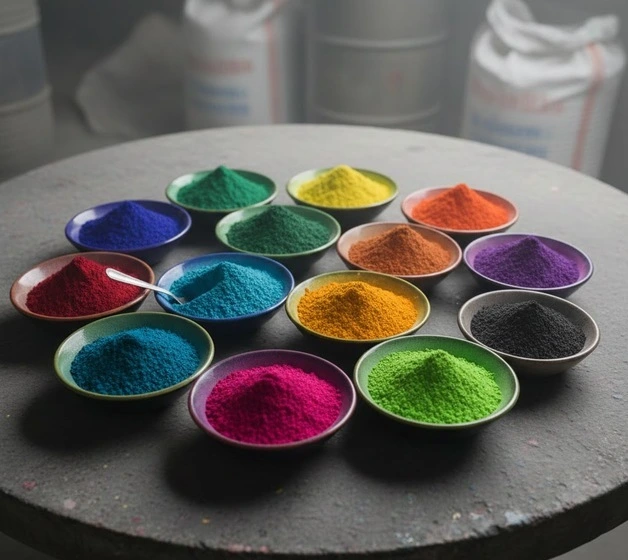

Kitchen accessories silicones are cooking and food-preparation tools made from food-grade silicone polymers that combine flexibility, thermal resistance, and non-stick performance. These materials are commonly used to produce spatulas, baking molds, ladles, and brush tools designed for modern kitchens. Because silicone withstands both high heat and freezing temperatures, it is widely adopted in domestic cooking and professional culinary environments.
Key Takeaways
- Kitchen accessories silicones are utensils made from heat-resistant silicone polymers.
- Food-grade silicone complies with international food safety regulations.
- Silicone utensils withstand temperatures from −40°C to about 230°C.
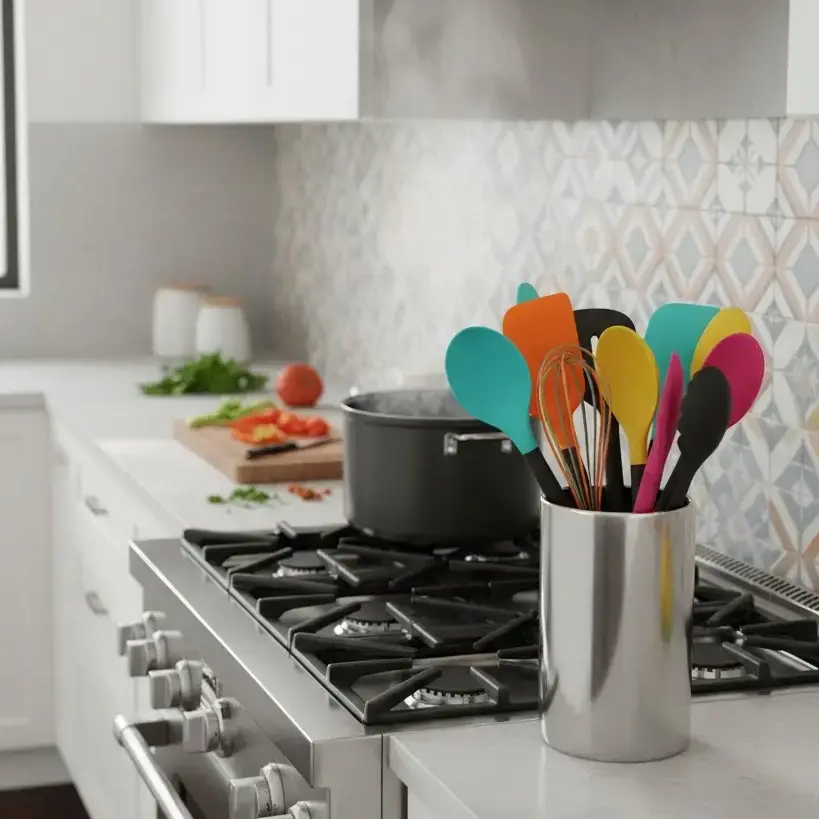
- Common products include spatulas, baking molds, ladles, and cooking brushes.
- These utensils protect non-stick cookware and resist moisture and corrosion.
- Market prices vary depending on quality, certifications, and product sets.
What Are Kitchen Accessories Silicones and How Are They Manufactured?
Kitchen accessories silicones are produced from silicone elastomers derived from siloxane polymers consisting of alternating silicon and oxygen atoms.
Manufacturing typically involves:
- Polymer preparation – Siloxane polymers are synthesized and purified.
- Additive blending – Food-grade pigments and stabilizers are incorporated.
- Molding processes – Compression molding or injection molding forms the utensil shape.
- Curing stage – Heat treatment stabilizes the silicone structure.
Common kitchen accessories silicones products include:
- Spatulas
- Baking molds
- Cooking spoons
- Silicone brush tools
- Heat-resistant tongs
Their appeal lies in maintaining shape and flexibility at high-temperature conditions.
Why Are Kitchen Accessories Silicones Considered Safe for Food Use?
Compliance with food-grade silicone standards ensures kitchen accessories are safe for cooking.
Key safety frameworks include:
| Regulatory Authority | Standard Purpose |
| FDA (United States) | Food-contact material approval |
| LFGB (Germany) | European food safety compliance |
| EU Regulation 1935/2004 | Materials intended for food contact |
Safety advantages include:
- Non-toxic and odorless material composition
- No chemical reaction with acidic or alkaline foods
- Resistance to microbial growth
- Stability at temperatures between −40°C and 230°C
These characteristics make silicone utensils appropriate for cooking, baking, freezing, and microwave heating.
What Types of Kitchen Accessories Silicones Are Commonly Used?
Kitchen accessories silicones appear in many specialized forms depending on cooking requirements.
Common product categories:
- Cooking tools
- Spatulas
- Ladles
- Whisks
- Baking accessories
- Cake molds
- Muffin trays
- Baking mats
- Food handling tools
- Oil brushes
- Tongs
- Scrapers
Typical performance characteristics include:
- Heat resistance suitable for stovetop cooking
- Flexible surfaces for scraping and mixing
- Non-stick surfaces that prevent food adhesion
In discussions of kitchen tools, people often also look into silicone kitchen utensils sets, silicone houseware products, and microwave-safe silicone utensils.
What Are the Advantages of Kitchen Accessories Silicones Compared to Metal or Plastic?
Kitchen accessories silicones offer several technical advantages compared with traditional materials.
Performance comparison
| Property | Silicone | Plastic | Stainless Steel |
| Heat resistance | Very high | Moderate | Very high |
| Flexibility | Excellent | Moderate | Low |
| Non-stick behavior | High | Low | Low |
| Surface safety | Scratch-safe for cookware | Moderate | Can scratch surfaces |
Key advantages:
- Protects non-stick cookware surfaces
- Lightweight yet durable structure
- Resistant to corrosion and moisture
- Easy cleaning due to smooth surfaces
As a result of these properties, silicone cooking tools are favored in households and commercial kitchens alike.
How Much Do Kitchen Accessories Silicones Typically Cost?
The value of silicone kitchen tools varies depending on quality, brand, and the number of items included.
Typical market ranges
| Product Type | Approximate Price Range |
| Single silicone spatula | ₹100 – ₹350 |
| Small utensil set (5 pieces) | ₹400 – ₹900 |
| Full kitchen set (10–12 pieces) | ₹800 – ₹2,000 |
Factors affecting price include:
- Food-grade certification
- Reinforced handles (steel or wood core)
- Heat resistance ratings
- Brand reputation and durability
Large online marketplaces and houseware retailers commonly offer these utensils in multi-piece cooking sets.
Are Kitchen Accessories Silicones Suitable for Microwave and High-Heat Cooking?
Silicone tools see widespread use in microwave cooking and other high-heat culinary applications.
Temperature tolerance
- Freezer safe: −40°C
- Microwave safe: Yes
- Oven safe: Up to about 230°C
- Dishwasher safe: Most products
Examples of microwave-safe silicone items:
- Baking molds
- Cooking spatulas
- Microwave steaming containers
This thermal stability makes silicone utensils practical for baking, reheating, and food preparation tasks.
Conclusion
Kitchen accessories silicones represent a modern category of cooking tools that combine safety, flexibility, and durability through advanced silicone polymer materials. Their classification into cooking tools, baking accessories, and food-handling utensils reflects a structured approach to kitchen product design. Manufacturers including Wacker Silicones Ltd supply high-quality silicone materials used globally in food-grade kitchenware production
FAQ
Are silicone kitchen utensils safe for cooking?
Yes. These utensils, made from food-grade silicone, follow international food-contact rules and perform well under heat.
Can silicone utensils be used in microwaves?
Yes. Most silicone kitchen utensils tolerate microwave temperatures and maintain structural stability.
Do silicone utensils damage non-stick cookware?
No. Silicone is soft and flexible, making it safe for non-stick pans and cookware surfaces.
Are silicone kitchen utensils durable?
Yes. Silicone resists heat, moisture, and chemical degradation, giving these utensils a long operational lifespan.
Are silicone kitchen utensils better than plastic?
Silicone generally performs better due to higher heat resistance, greater flexibility, and improved durability.
Sources
https://www.amazon.in/silicone-utensils/s?k=silicone+utensils
https://www.flipkart.com/rabbonix-silicone-kitchen-utensils-set-cooking-baking-5-pcs-heat-resistant-non-stick-tools-red-rubber-spatula/p/itmaa4285e489bb6
https://dir.indiamart.com/impcat/silicone-kitchen-accessories.html
https://www.meesho.com/silicone-spatula-silicone-kitchen-utensils-set-12-pcs-non-stick-cooking-utensils-set-sturdy-insulation-wooden-handle-kitchen-accessories-for-cooking-with-spatula-set-green/p/8ub4xo?srsltid=AfmBOopmdyNMbOvf7hjqH_Syo3fU0yXUb-zWgcB-rPPBnSRr6V5VTTyB
https://schoolofwok.co.uk/blog/show/7-reasons-why-you-should-use-silicone-kitchen-utensils-2
https://nestasia.in/collections/kitchen?srsltid=AfmBOorUzH1e7iuQ_uDjllASabPMEDWSqSL_VLIDUUd6yE95UGUJvJFj