RTV silicones are silicone-based materials that cure into elastic rubber at room temperature through chemical reactions with moisture or catalysts. These materials are commonly used as sealants, adhesives, and molding compounds because they provide strong bonding, flexibility, and resistance to temperature and environmental stress. Their room-temperature curing capability allows manufacturers and technicians to apply them without specialized heating equipment.
Key Takeaways
- RTV silicones are Room Temperature Vulcanizing silicone materials that cure into flexible rubber.
- They serve multiple industries as reliable sealants, bonding agents, and mold-making compounds.
- Two major types exist: RTV-1 (single-component) and RTV-2 (two-component) systems.
- High-temperature RTV silicones can withstand up to 300°C or more in specialized formulations.
- Market pricing varies based on packaging size, formulation, and industrial grade.
What Is the RTV Silicone Full Form and What Does It Mean?
The full form of RTV silicones is Room Temperature Vulcanizing silicones. The term “vulcanizing” refers to the chemical curing process that converts liquid silicone compounds into flexible rubber.
Key characteristics of RTV silicones include:
- Cure at room temperature without ovens
- Form durable elastomeric rubber
- Maintain flexibility after curing
- Resist moisture, chemicals, and UV exposure
Two major curing mechanisms are commonly used:
| Type | Curing Method | Typical Use |
| RTV-1 | Moisture curing (one-component) | Sealants and adhesives |
| RTV-2 | Two-part catalytic curing | Mold making and casting |
Because of their ease of use and reliability, RTV silicones are widely used in both industrial production and repair applications.
What Are the Common RTV Silicone Sealant Uses?
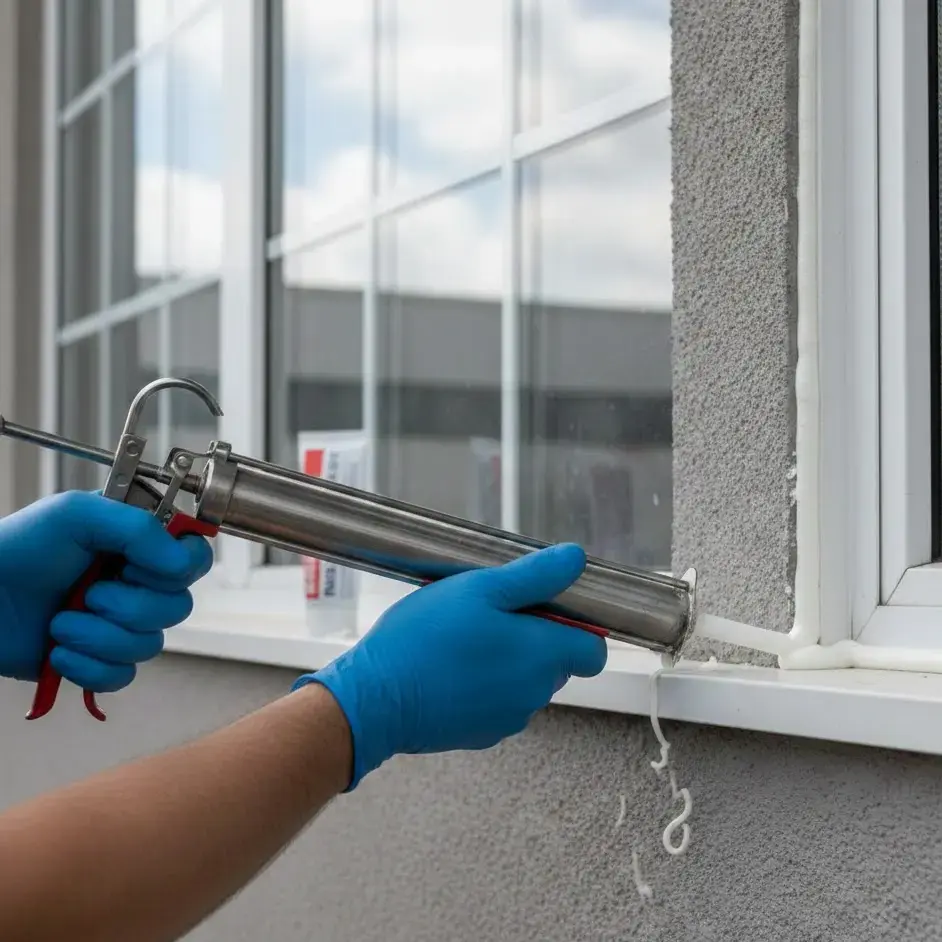
RTV silicones are widely applied as sealants and adhesives in industries requiring flexible and durable joints.
Common RTV silicone sealant uses include:
Construction
- Window and glass sealing
- Applying moisture-resistant sealing on joints
- Securing expansion spaces within building structures
Automotive
- Engine gasket sealing
- Oil pan and valve cover sealing
- High-temperature sealing around exhaust systems
Electronics
- Encasing circuit boards through potting processes
- Protecting electrical connectors from moisture intrusion
- Offering insulation for electrical equipment
Manufacturing
- Mold making for plastics or resin casting
- Bonding components exposed to vibration
These materials remain stable under heat, moisture, and mechanical movement, which explains their wide industrial adoption.
What Types of RTV Silicones Exist?
RTV silicones are classified primarily by curing mechanism and application.
1. RTV-1 Silicone
RTV-1 silicone is a single-component sealant that cures when exposed to air moisture.
Typical characteristics:
- Packaged in cartridges or RTV silicone tubes
- Easy to apply using sealant guns
- Common in household and construction applications
2. RTV-2 Silicone
RTV-2 silicone includes two separate parts: a base polymer and a hardening agent that initiates curing when combined.
Typical characteristics:
- Requires mixing before application
- Used in mold making and casting
- Provides precise dimensional stability
People researching these materials often also explore silicone sealants, silicone rubber, and industrial adhesive sealants because they share related chemical properties and applications.
What Is RTV Silicone High Temperature Resistance?
Many RTV silicones are engineered for high-temperature performance.
Typical temperature ranges:
| Category | Temperature Range |
| Standard RTV silicone | −50°C to 200°C |
| High-temperature RTV silicone | Up to 300°C |
| Specialized industrial grades | Up to 350°C |
High-temperature RTV silicone is frequently used in:
- Automotive engine assemblies
- Industrial ovens and heating systems
- Electrical insulation in high-heat environments
They maintain rubber-like flexibility even when exposed to elevated temperatures over time.
What is the average market price of RTV silicone?
The RTV silicone price varies depending on formulation, brand, and packaging size.
Typical market ranges:
| Product Form | Approximate Price Range |
| RTV silicone tube (100–300 g) | ₹150 – ₹500 |
| Industrial sealant cartridge | ₹300 – ₹900 |
| RTV-2 silicone kits (1–5 kg) | ₹1500 – ₹6000 |
Pricing is influenced by:
- High-temperature formulations
- Industrial certification standards
- Packaging size and purity
Industrial-grade products generally cost more due to strict performance specifications.
Who Are the Major RTV Silicone Manufacturers in India?
India has a growing market for RTV silicone manufacturers, supplying products to automotive, electronics, and construction sectors.
Common supplier categories include:
Global silicone manufacturers
- Companies producing advanced industrial silicone materials
Specialized chemical producers
- Firms supplying RTV silicone sealants and molding materials
Industrial distributors
- Suppliers offering RTV silicone tubes and bulk sealant cartridges
These manufacturers typically supply through chemical distributors, industrial marketplaces, and direct supply chains.

Conclusion
RTV silicones are versatile materials valued for their room-temperature curing, flexibility, and resistance to environmental stress. Their classification into RTV-1 and RTV-2 systems explains their broad range of applications from sealants to mold-making compounds. For broader context on silicone materials used in manufacturing, they are also related to silicones in primary forms, which represent the foundational chemical categories used to produce many silicone-based products.
FAQs
What is RTV silicone?
RTV silicone is a silicone-based substance that vulcanizes at room temperature to create durable, flexible rubber for sealing and molding tasks.
What does RTV stand for in RTV silicone?
RTV is short for Room Temperature Vulcanizing, which means the material hardens through curing without external heat.
What are RTV silicone sealants used for?
RTV silicone sealants are used in construction joints, automotive gaskets, electronics insulation, and waterproof sealing.
What is the difference between RTV silicone and silicone?
RTV silicone is a specific curing form of silicone material designed to vulcanize at room temperature, while silicone is a broader category of organosilicon polymers.
What is RTV-2 silicone used for?
RTV-2 silicone is mainly used in mold making, casting, and industrial manufacturing where precise curing and dimensional stability are required.
Sources
https://en.wikipedia.org/wiki/RTV_silicone
https://cht-silicones.com/faq/what-is-rtv-silicone
https://elastostar.com/what-is-rtv-silicone-understanding-room-temperature-vulcanizing-materials/
https://dir.indiamart.com/impcat/rtv-silicone.html
https://www.gluegun.com/blogs/news/what-does-rtv-stand-for?srsltid=AfmBOooZ5RcnTUp7yywGCAhjuHu-nR_cM8TW9iqIIyZ2Zggf-Th4wLE8
https://www.specialchem.com/adhesives/guide/formulating-rtv-silicone-sealants
https://www.amazon.in/rtv-silicone-sealant/s?k=rtv+silicone+sealant
https://www.elkem.com/products/silicones/rtv-1/
https://pubmed.ncbi.nlm.nih.gov/10493145/