Silicone for automotive industry is a class of synthetic elastomers and fluids used in vehicles for sealing, insulation, and durability under extreme conditions. It remains stable across temperature fluctuations and protects against chemicals, moisture, and ultraviolet degradation. Why is it widely adopted in modern vehicles? Because conventional materials often fail under thermal and mechanical stress where silicone remains stable.
Key Takeaways
- Silicone for automotive industry ensures durability under extreme temperatures and conditions
- Multiple forms—rubber, sealants, fluids—serve distinct automotive functions
- Critical for EV systems, especially battery and electronics protection
- Exhibits outstanding durability against chemicals, UV rays, and moistur.
- Broadly used in gaskets, tubing, sealants, and insulation systems
What is silicone for automotive industry and how is it classified?
Silicone for automotive industry includes multiple material types designed for specific functional roles:
| Type | Key Properties | Typical Use Cases |
| Silicone rubber | Flexible, heat-resistant | Gaskets, hoses, seals |
| Silicone sealants | Adhesive, waterproof | Engine sealing, joints |
| Silicone fluids | Lubrication, thermal stability | Dampers, cooling systems |
| Silicone gels | Soft, protective | Electronics encapsulation |
Industry practice: Materials are selected based on temperature rating, mechanical load, and exposure to oils or chemicals.
Why is silicone used in automotive applications?
Silicone for automotive industry is used due to its performance advantages:
- Thermal resistance: Operates from -60°C to 250°C
- Chemical stability: Resists fuels, oils, and coolants
- Electrical insulation: Ideal for wiring and sensors
- Weather resistance: Withstands UV, ozone, and moisture
Example: Silicone engine gaskets, for example, continue to provide secure sealing under constant heat variations.
How is silicone rubber applied in vehicle components?
Silicone for automotive industry is widely used in rubber form for flexible parts:
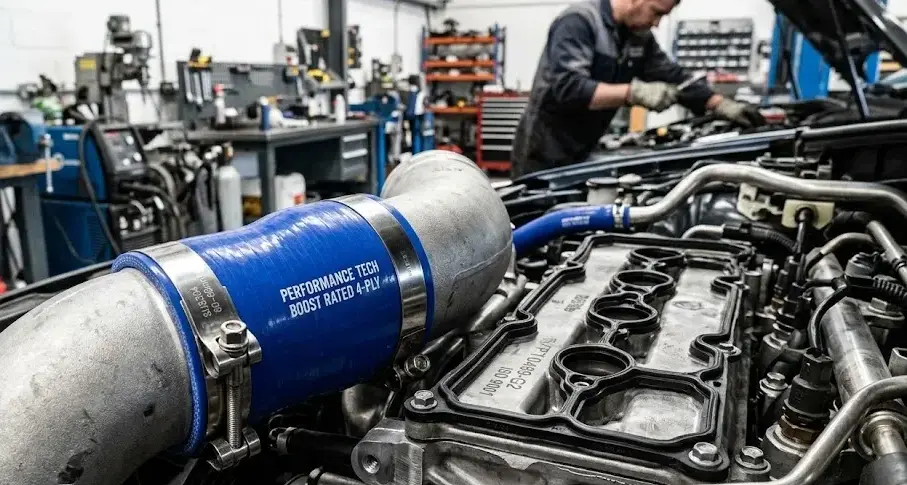
- Hoses and tubing: Coolant and air transport
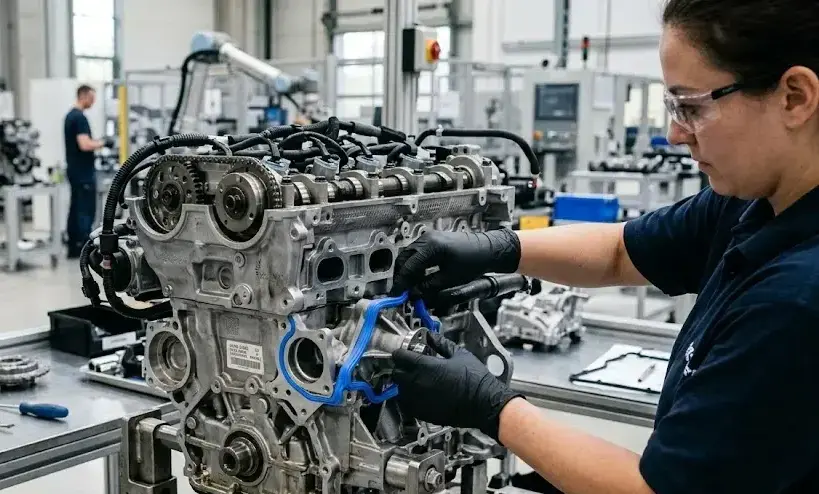
- Gaskets and O-rings: Leak prevention in engines
- Cable insulation: Protection in electrical systems
Standards reference: Automotive-grade silicone rubber often complies with ISO and ASTM specifications for durability and thermal aging.
What are the key sealing and bonding uses of automotive silicone?
Silicone for automotive industry is essential in sealing and bonding operations:
- RTV (Room Temperature Vulcanizing) sealants: Used for engine assembly
- Adhesive sealants: Bond metal, plastic, and glass
- Waterproof coatings: Protect external joints
Best automotive silicone sealant characteristics:
- High adhesion strength
- Oil and coolant resistance
- Long-term elasticit
How does silicone improve vehicle electronics and EV systems?
Silicone for automotive industry supports modern electronics and electric vehicles:
- Thermal interface materials: Heat dissipation in batteries
- Encapsulation gels: Protect sensitive circuits
- Dielectric insulation: Prevent electrical failure
Example: EV battery packs use silicone-based materials for thermal management and fire resistance.
What are common automotive silicone products and use cases?
Silicone for automotive industry includes a wide range of products:
- Silicone rubber gaskets
- Automotive silicone clear sealants
- Waterproof coatings for exterior parts
- High-temperature hoses
A silicone products list is often discussed alongside automotive adhesives, industrial sealants, and elastomeric compounds used in manufacturing and maintenance.
How is silicone for automotive industry evolving in India and globally?
Silicone for automotive industry in India is expanding due to:
- Growth in electric vehicles
- Demand for lightweight materials
- Increasing regulatory focus on durability and emissions
Industry trend: Manufacturers are developing low-VOC silicone formulations aligned with environmental standards.
Conclusion
Silicone for automotive industry provides a structured material solution across sealing, insulation, and thermal management applications. Its classification into rubbers, fluids, and sealants enables precise selection for automotive engineering needs. As vehicle systems become more advanced, especially in EVs, materials like heat resistant silicone materials will continue to define reliability and performance standards.
FAQ
What is automotive silicone used for?
Automotive silicone is used for sealing, insulation, bonding, and protecting components exposed to heat, chemicals, and weather.
What is silicon used for in cars?
Silicon-based materials are used in electronics, sensors, and semiconductors, while silicone is used for seals and insulation.
What is silicone used for in industry?
Silicone is used for sealing, lubrication, insulation, and coating in automotive, medical, construction, and electronics industries.
What sealant do car manufacturers use?
Car manufacturers commonly use RTV silicone sealants for engine assembly, gasket sealing, and waterproof bonding.
Sources
https://powerrubber.com/en/blog/silicone-in-the-automotive-industry-modern-applications-in-vehicles?srsltid=AfmBOopfgjPtpZBlYI9qXQB3KYDZnFf5QL272J_9pahTzg1MYIob3XbS
https://www.elkem.com/markets/mobility-and-transportation/parts-manufacturing/automotive-parts/
https://www.krindustries.com/blog/usage-of-silicone-rubber-products-in-automotive-industry
https://elastostar.com/top-7-applications-of-silicone-rubber-in-the-automotive-industry/
https://www.primasil.com/industries/automotive/automotive-silicone-materials/
https://www.chemicalbrothers.co.in/silicone-rubber-for-automotive-parts.php
https://www.linkedin.com/pulse/what-automotive-silicone-uses-how-works-top-companies-2025-jl05f
https://smartechonline.com/silicone-automotive-how-is-silicone-used-in-cars/
https://www.alliedmarketresearch.com/automotive-silicone-market