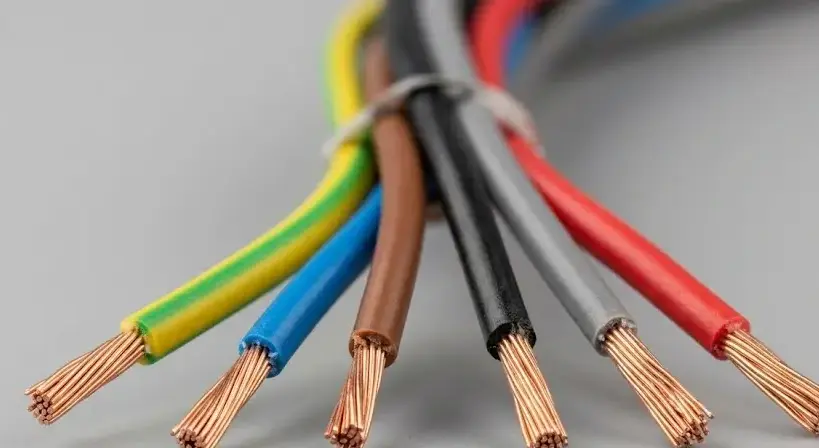
Silicone for cable insulation is a polymer-based material used to electrically isolate and protect wires and cables from heat, moisture, and chemical exposure. It is built to ensure dependable performance across diverse thermal ranges and tough environments. Why is it preferred in high-risk applications? Because it maintains insulation integrity where conventional materials degrade.
Key Takeaways
- Silicone for cable insulation offers superior thermal and electrical performance
- Operates effectively in extreme temperature environments
- Widely used in aerospace, automotive, and industrial sectors
- Meets global safety and compliance standards
- Provides flexibility and durability compared to conventional materials
What is silicone for cable insulation and how does it work?
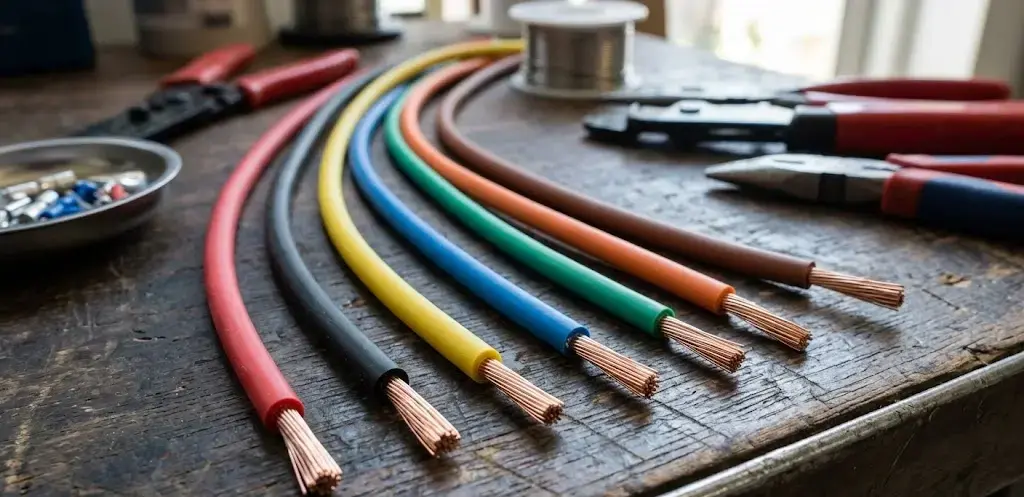
Silicone for cable insulation functions by forming a non-conductive, heat-resistant barrier around conductors.
Core properties include:
- High dielectric strength for electrical insulation
- Thermal stability from -40°C to +200°C (or higher)
- Resistance to UV, ozone, and weathering
How it works:
- Encases conductive wires to prevent current leakage
- Maintains flexibility under thermal expansion
- Protects against environmental degradation
Example: Silicone-insulated cables are used in furnaces where PVC insulation would fail due to heat.
What are the key properties of silicone wire insulation?
Silicone for cable insulation is described through its performance in thermal, electrical, and chemical conditions.
| Property | Performance Range/Feature |
| Temperature Resistance | Up to 200–300°C |
| Dielectric Strength | High (20–25 kV/mm typical) |
| Flexibility | Excellent at low and high temperatures |
| Chemical Resistance | Resistant to oils, ozone, moisture |
| Flame Resistance | Self-extinguishing |
Industry classification standards:
- IEC 60216 (thermal endurance)
- UL 758 (appliance wiring material)
- RoHS compliance for environmental safety
Where is silicone for cable insulation used in industry?
Silicone for cable insulation is widely used in sectors requiring reliability under extreme conditions.
Major applications:
- Aerospace: Wiring exposed to high heat and vibration
- Automotive: Engine compartments and EV battery systems
- Medical devices: Sterilizable and flexible cables
- Power plants: High-temperature control systems
In India: Silicone for cable insulation in India is commonly used in steel plants, railways, and renewable energy systems.
A silicone-insulated cable is often discussed alongside XLPE cables, PVC insulation, and Teflon-coated wires in electrical engineering contexts.
How does silicone compare to other cable insulation materials?
Silicone for cable insulation offers distinct advantages over traditional materials.
| Material | Temperature Range | Flexibility | Chemical Resistance |
| Silicone | Very High | Excellent | High |
| PVC | Moderate | Moderate | Low |
| XLPE | High | Low | Moderate |
| PTFE | Very High | Low | Very High |
Key insight: Silicone outperforms PVC in heat resistance and flexibility but may be less mechanically rigid than XLPE.
What are the temperature ratings and performance limits?
Silicone for cable insulation is known for its wide operating temperature range.
Typical ratings:
- Continuous operation: 180°C–200°C
- Short-term exposure: Up to 300°C
- Low-temperature flexibility: Down to -40°C
Performance limits:
- Lower abrasion resistance compared to thermoplastics
- Requires proper mechanical protection in high-friction environments
What standards and compliance requirements apply?
Silicone for cable insulation needs to conform to established regulatory and safety guidelines.
Common standards:
- UL 94: Flame retardancy classification
- IEC 60332: Fire performance of cables
- ISO 6722: Automotive cable requirements
Best practices:
- Use certified grades for high-voltage applications
- Ensure compatibility with connectors and jackets
- Select insulation thickness based on voltage rating
Conclusion
Silicone for cable insulation provides a reliable solution for high-temperature and high-performance electrical systems. Its classification based on thermal, electrical, and environmental properties supports diverse industrial applications. As technologies evolve, materials like silicone for LED encapsulation further extend its role in advanced electronic protection systems.
FAQ
Can I use silicone to insulate wires?
With its excellent dielectric performance and resistance to heat, silicone is widely used to insulate wires.
Is silicone wire insulation good?
Silicone wire insulation is highly effective in extreme temperatures and harsh environments, offering durability and flexibility.
What is the best material for cable insulation?
The best material depends on the application, but silicone is preferred for high-temperature and flexible applications.
What is silicone wire used for?
Silicone wire is used in aerospace, automotive, medical, and industrial systems requiring heat-resistant insulation.
What is the temperature rating of silicone wire insulation?
It typically ranges from -40°C to 200°C for continuous use, with higher tolerance for short durations.
Sources
https://www.siccet.com/materials/silicone-rubber/#:~:text=Cables%20insulated%20with%20silicone%20rubber,down%20to%20%2D40%C2%B0C.&text=Silicone%20rubber%20provides%20good%20resistance,esters%2C%20ketones%2C%20and%20ethers.
https://www.elandcables.com/the-cable-lab/faqs/faq-what-are-the-benefits-of-silicone-insulated-cables
https://www.elkem.com/markets/energy-power/electricity-grids/safety-cables/
https://www.connectronicscorp.com/benefits-of-silicone-insulated-wire-or-cables/
https://tratosgroup.com/tratos-cable-academy/polymeric-materials-for-cables-insulation/general-purpose-silicone-rubber-cables/
https://www.sab-cable.com/cables-wires-harnessing-temperature-measurement/technical-data/cables-and-wires/silicone-cables-mechanical-chemical-characteristics.html
https://dir.indiamart.com/impcat/silicone-cable-sleeve.html
https://pvntechnosystems.com/product/silicone-insulation-sleeve-tubes-for-high-voltage-high-frequency-applications/
https://www.bhuwalinsu.com/silicone-cables.html