Silicone for construction materials is a class of polymer-based compounds designed for sealing, bonding, and protecting building components under diverse environmental conditions. It provides long-term elasticity, weather resistance, and chemical stability. Why is it widely adopted in modern construction? Functionality is maintained across temperature swings, moisture presence, and structural adjustments.
Key Takeaways
- Silicone for construction materials ensures long-term sealing and flexibility
- It provides superior resistance to UV, moisture, and temperature extremes
- Available in multiple types for specific construction applications
- Governed by global standards such as ASTM and ISO
- Widely used in façades, joints, glazing, and waterproofing systems
What are the primary uses of silicone for construction materials?
Silicone for construction materials is used in multiple structural and finishing applications where flexibility and durability are required.
Common applications include:
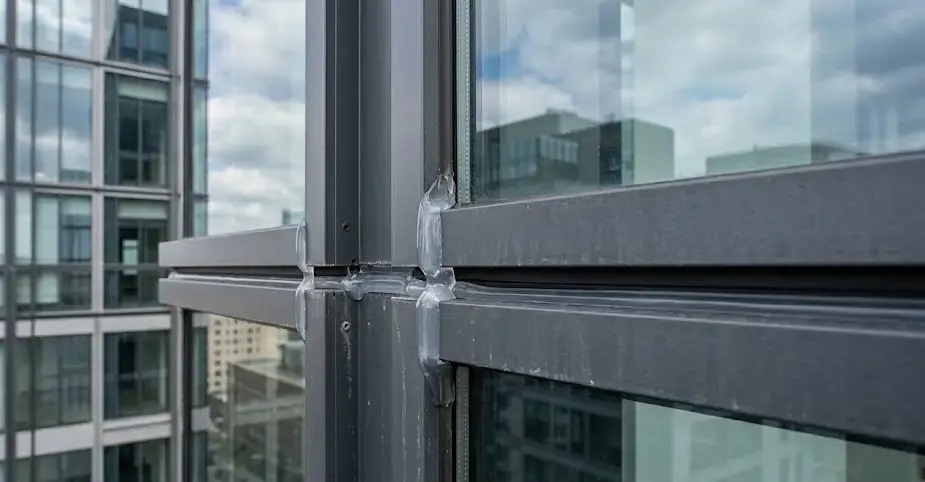
- Joint sealing: Expansion joints, façade joints, and glazing systems
- Weatherproofing: External cladding and curtain walls
- Adhesion: Bonding glass, metal, and composite panels
- Waterproofing: Bathrooms, kitchens, and roofing systems
Example: Silicone sealants in glass and metal façades protect against water while enabling thermal flexibility.
How does silicone improve durability and weather resistance?
Silicone for construction materials enhances long-term durability by resisting environmental stressors.
Key performance properties:
| Property | Benefit |
| UV resistance | Prevents degradation under sunlight |
| Thermal stability | Operates from -50°C to +200°C |
| Moisture resistance | Maintains seal integrity in wet conditions |
| Chemical resistance | Withstands pollutants and cleaning agents |
These characteristics make silicone suitable for high-rise façades and exposed infrastructure
What types of silicone are used in construction applications?
Silicone for construction materials is classified based on curing mechanisms and application requirements.
Main types:
- Acetoxy silicone: Fast curing, used in non-porous surfaces
- Neutral cure silicone: Suitable for metals, concrete, and sensitive substrates
- Structural silicone: High-strength bonding in curtain wall systems
- Fire-resistant silicone: Used in fire-rated joints
Industry standard reference: Many products comply with ASTM C920 and ISO 11600 classifications.
How is silicone applied in construction projects?
Silicone for construction materials is applied using controlled methods to ensure performance.
Application steps:
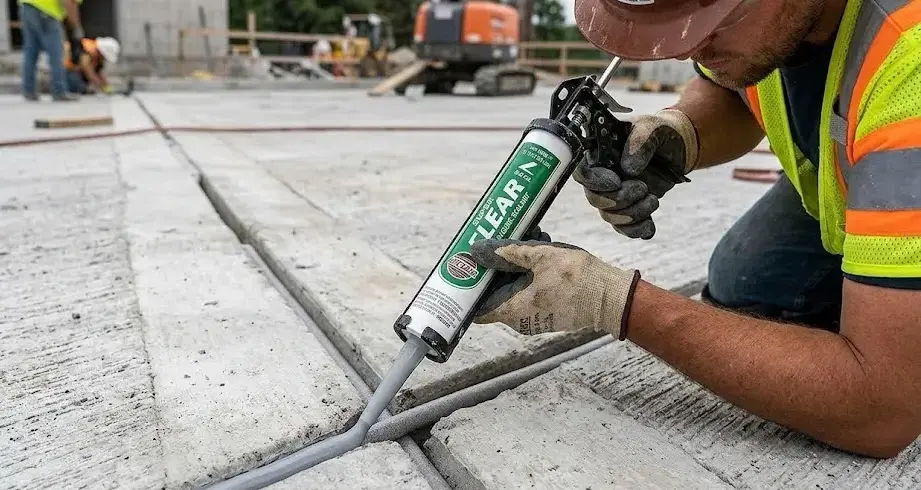
- Surface preparation (cleaning and drying)
- Primer application (if required)
- Sealant dispensing using a caulking gun
- Tooling for smooth finish
- Curing under specified environmental conditions
Improper application can lead to adhesion failure or reduced lifespan.
What standards and regulations govern silicone in construction?
To ensure dependable performance, silicone for construction applications must conform to both international and regional standards.
Common standards:
- ASTM C920: Standard specification for elastomeric joint sealants
- ISO 11600: Classification of sealants based on movement capability
- EN 15651: European standard for façade and sanitary sealants
Compliance ensures performance consistency in critical infrastructure.
How does silicone compare to other construction sealants?
Silicone for construction materials is often compared with polyurethane and acrylic sealants.
Comparison overview:
| Material | Flexibility | Durability | UV Resistance |
| Silicone | High | Excellent | Excellent |
| Polyurethane | Medium | Good | Moderate |
| Acrylic | Low | Moderate | Poor |
Silicone outperforms alternatives in long-term outdoor applications.
A construction silicone sealant is often discussed alongside polyurethane sealants, acrylic sealants, and hybrid sealants used in building joints and façades.
Conclusion
Silicone for construction materials provides a reliable framework for sealing, bonding, and protecting modern structures under demanding conditions. Its classification into functional types ensures precise application across building systems. For complementary performance insights, refer to silicone for electrical insulation in related engineering applications
FAQ
What is silicone used for in construction?
Silicone is used for sealing joints, bonding materials, waterproofing surfaces, and protecting structures from weather and environmental damage.
What is type 7 silicone?
Type 7 silicone typically refers to a classification in certain product systems indicating high-performance sealants with enhanced durability and flexibility.
What is builders silicone used for?
Builders silicone is used for general sealing tasks such as filling gaps, waterproofing joints, and sealing around windows, doors, and fixtures.
What is Dowsil 795 used for?
Dowsil 795 is a structural glazing sealant used for bonding glass, metal, and curtain wall components in building façades.
Sources
https://durablebuildingsolutions.org/building-future/materials-science/silicones/
https://www.indiamart.com/proddetail/silicone-sealant-for-construction-2851628414233.html?srsltid=AfmBOorEp90ntY4Inx8Cdu_0JocyIanEO0ZYSLQsizgieBaIfTopndEb
https://www.elkem.com/markets/smarter-cities-construction/strengthening-protective-applications/construction-materials/
https://www.dow.com/en-us/pdp.dowsil-795-silicone-building-sealant.01595717z.html
https://www.amazon.in/Silicone-Sealant/s?k=Silicone+Sealant
https://globalpolyester.com/silicone-applications-in-construction-industry/