Silicone for medical devices is a biocompatible polymer designed for use in healthcare applications where safety, stability, and performance are essential. Its non-reactive nature and resilience to demanding conditions enable its use across both short-term and long-term medical scenarios. What makes silicone uniquely suitable for direct contact with the human body?
Key Takeaways
- Silicone for medical devices is defined by strict biocompatibility and regulatory standards
- It is widely used in implants, tubing, and wearable healthcare products
- Key properties include flexibility, chemical inertness, and thermal stability
- Manufacturing involves precision processes like injection molding and extrusion
- Selection depends on application-specific performance and compliance needs
What is silicone for medical devices and how is it classified?
Silicone for medical devices refers to medical-grade silicone materials manufactured under strict quality and regulatory standards for healthcare use.
Primary classifications include:
- Implant-grade silicone: Used for long-term internal applications (e.g., pacemaker leads)
- Medical-grade silicone rubber: Used in tubing, seals, and external devices
- Liquid silicone rubber (LSR): Used for precision molding of complex components
Key standards:
- ISO 10993 (biocompatibility testing)
- USP Class VI certification
- FDA 21 CFR compliance
Why is silicone for medical devices widely used in healthcare?
Silicone for medical devices is used because of its combination of biological safety and mechanical performance.
Core properties:
- Biocompatibility and non-toxicity
- Thermal stability (-50°C to 200°C)
- Chemical inertness
- Flexibility and elasticity
Example:
Their flexible structure and inert composition allow silicone catheters to avoid reactions with bodily fluids, maintaining safety.
What are the main uses of silicone for medical devices?
Silicone for medical devices is applied across a wide range of healthcare products.
Common applications:
- Implants: Breast implants, joint replacements
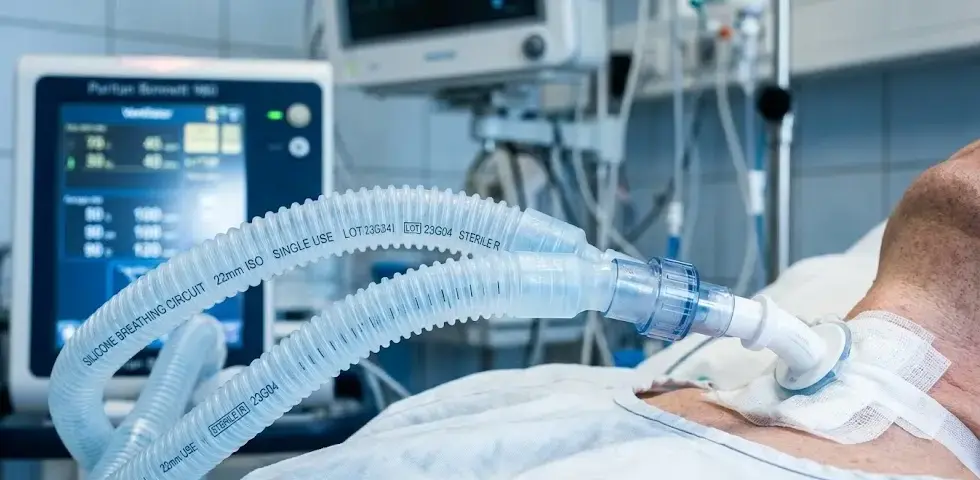
- Medical tubing: Fluid transfer systems
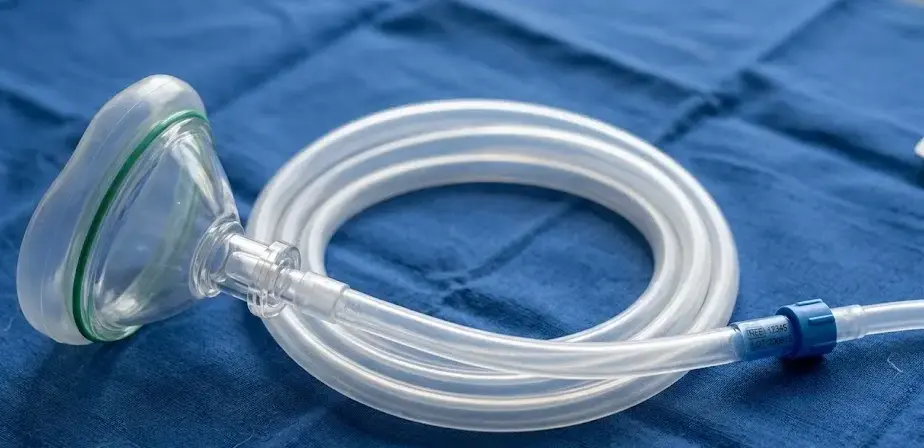
- Wearable devices: Respiratory masks, prosthetics
- Seals and gaskets: In diagnostic equipment
Industry practice:
- LSR injection molding is used for high-precision components
- Extrusion processes are used for tubing and profiles
A silicone-based system is often discussed alongside medical polymers, elastomers, and biocompatible coatings used in device manufacturing.
How is medical grade silicone manufactured and processed?
Silicone for medical devices is produced through controlled polymerization and purification processes.
Processing methods:
- Injection molding (LSR): High precision and repeatability
- Compression molding: Suitable for thicker components
- Extrusion: Used for continuous profiles like tubing
Quality controls:
- Cleanroom manufacturing (ISO Class 7 or better)
- Lot traceability and validation
- Sterilization compatibility testing (gamma, EtO, autoclave)
What factors determine the best silicone for medical devices?
Selecting silicone for medical devices depends on application-specific requirements.
Key selection criteria:
| Factor | Importance |
| Biocompatibility | Required for patient safety |
| Mechanical strength | Ensures durability under stress |
| Transparency | Needed for visual monitoring |
| Sterilization resistance | Maintains integrity after sterilization |
| Regulatory compliance | Mandatory for market approval |
Example:
Implantable devices require platinum-cured silicone for higher purity and stability.
What is the price and availability of silicone for medical devices?
Silicone for medical devices varies in price depending on grade, purity, and processing type.
Price influencing factors:
- Grade (implant vs general medical grade)
- Form (LSR, HTV, RTV)
- Supplier certification
Typical sourcing options:
- Authorized medical material suppliers
- Certified distributors
- Custom compounding manufacturers
Where to buy:
- Global suppliers like Wacker, Dow, and Elkem
- Specialized medical material providers with compliance certifications
Conclusion
Silicone for medical devices remains essential due to its unique balance of safety, flexibility, and regulatory compliance. As healthcare technologies evolve, advanced silicone formulations will continue to support innovation in implants and wearable devices. Its role closely aligns with adjacent applications such as silicone for electronics industry, where durability and insulation are equally critical.
FAQ
Why is silicone used in medical devices?
Silicone is used for its biocompatibility, flexibility, and resistance to heat, chemicals, and sterilization processes.
What are the three types of silicones?
The three main types are liquid silicone rubber (LSR), high-temperature vulcanized (HTV) silicone, and room-temperature vulcanized (RTV) silicone.
What are the medical uses of silicon?
Silicon-based materials are used in implants, tubing, prosthetics, wound care products, and diagnostic devices.
Is medical-grade silicone safe for skin contact?
Medical-grade silicone remains safe on skin over time because it is non-toxic and unlikely to cause allergic reactions.
Can silicone be sterilized for medical use?
Common sterilization methods, including autoclave, gamma radiation, and ethylene oxide, are well tolerated by silicone.
Sources
https://www.medical.saint-gobain.com/materials/silicone
https://formlabs.com/blog/creating-silicone-medical-devices/
https://www.azom.com/article.aspx?ArticleID=24126
https://en.wikipedia.org/wiki/Medical_grade_silicone
https://pmc.ncbi.nlm.nih.gov/articles/PMC10848296/
https://www.wacker.com/cms/en-us/products/applications/health-baby-care/adhesives/medical-adhesives.html
https://magazine.elkem.com/healthcare/life-sustaining-devices-four-applications-for-medical-grade-silicone/
https://onlinelibrary.wiley.com/doi/full/10.1002/app.50969