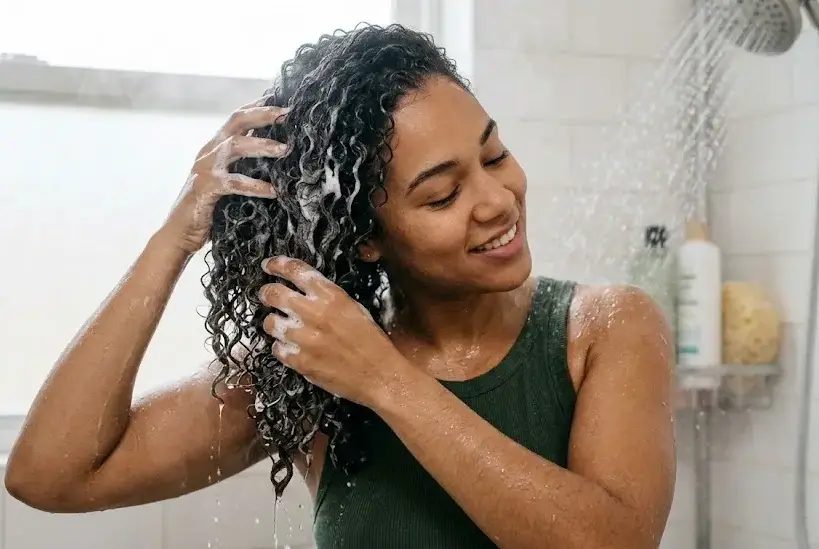
Silicones in conditioner refer to synthetic compounds derived from silicon and oxygen used to coat and protect hair strands. They develop a flexible surface film that helps maintain moisture balance and enhances luminosity. Are all silicones beneficial for every hair type? The answer depends on their solubility, formulation, and frequency of use, which together influence both cosmetic performance and buildup potential.
KEY TAKEAWAYS
- Silicones in conditioner improve smoothness, protection, and shine.
- For a lighter feel, choose easily rinsable, water-soluble silicones.
- Regular use of heavy silicones might create coating buildup on hair.
- Label reading helps identify silicone types.
- Silicone-free options offer sustainable and buildup-free care.
What are silicones in conditioner and how do they work?
Silicones in conditioner are functional polymers designed to coat hair fibers for enhanced smoothness and shine.
Mechanism of action:
- Form a thin, hydrophobic layer to reduce friction.
- Smooth the cuticle surface to prevent dryness and water loss.
- Facilitate effortless detangling and improved styling control.
Examples: Dimethicone, Cyclomethicone, and Amodimethicone are among the most common conditioning silicones in commercial hair care.
What are the main types of silicones used in conditioners?
Silicones are categorized based on water solubility and volatility, affecting ease of rinse-out and buildup.
| Type | Example | Solubility | Function |
| Non-water-soluble | Dimethicone | Insoluble | Long-lasting shine, frizz control |
| Water-soluble | Dimethicone Copolyol | Soluble | Easy rinse, light conditioning |
| Volatile | Cyclomethicone | Evaporative | Quick-dry, smooth finish |
Water-soluble silicones are generally preferred in mild formulations and leave-in conditioners for fine or curly hair.
Are silicones in conditioner safe for regular use?
In cosmetic applications, most silicones are deemed safe and non-hazardous according to global product safety regulations.
Safety considerations:
- Non-biodegradable variants may contribute to environmental persistence.
- Overuse can cause buildup, reducing volume and affecting scalp balance.
Best practice: Alternate with clarifying shampoos and balance with silicone-free formulations.
What are the benefits of silicones in conditioner?
Silicones offer both functional and aesthetic benefits, making them a mainstay in hair care science:
- Reduced static and frizz in humid climates.
- Delivers smoother texture for quick detangling and styling ease.
- Acts as a barrier against thermal stress from styling devices.
- Enhanced light reflection for gloss and shine.
A related topic often discussed with this concept includes “silicones in shampoo” and “silicones in leave-in treatments,” both relevant to complete haircare formulations.
Which silicones are suitable for curly or fine hair?
Curly and fine hair types benefit from lightweight, water-dispersible silicones.
Recommended types:
- Amodimethicone (selectively deposits on damaged areas)
- Dimethicone Copolyol (water-dispersible)
- Cyclopentasiloxane (volatile, non-heavy residue)
Avoid heavy, non-soluble silicones like Trimethylsilylamodimethicone in low-porosity curls.
How can you identify silicones on conditioner labels?
To detect silicones, check ingredient lists ending in -cone, -conol, -silane, or -siloxane.
Common examples:
- Dimethicone
- Cyclomethicone
- Phenyl Trimethicone
Tip: Brands often highlight “silicone-free” formulations to cater to eco-conscious or curly-hair consumers.
What are silicone-free alternatives and their advantages?
Silicone-free conditioners rely on plant-based emollients and biodegradable polymers to deliver smoothness without buildup.
Alternatives include:
- Argan oil, shea butter, and hydrolyzed proteins.
- Natural quaternary compounds like Behentrimonium Methosulfate.
These enhance manageability while supporting scalp health and sustainability standards like COSMOS and ECOCERT.
Conclusion
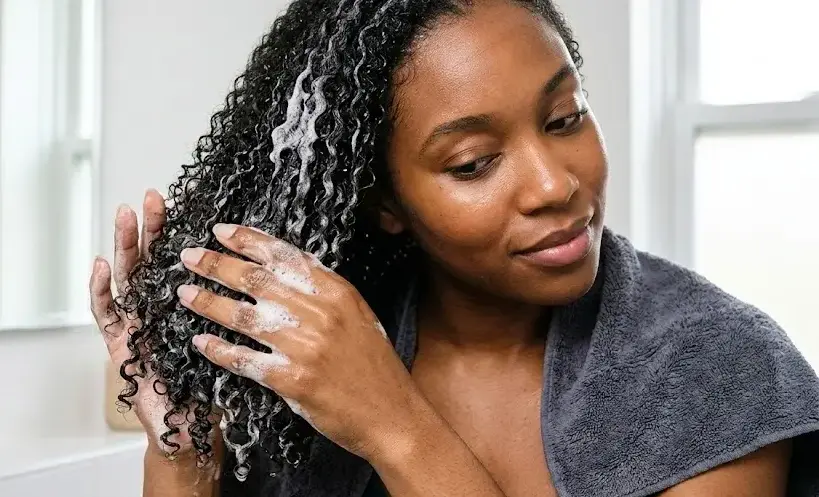
Silicones in conditioner remain a cornerstone of modern haircare for their unmatched conditioning performance and protective benefits. Understanding their chemistry and compatibility ensures safe, effective use across hair types. For extended insights, explore how silicones in shampoo word count influence formulation design and long-term scalp balance.
FAQ
Is silicone ok in conditioner?
Yes, silicones are safe and widely approved for cosmetic use when used in balanced formulations.
What are silicones in conditioner?
They are synthetic polymers that coat hair to reduce frizz, enhance shine, and protect from damage.
How to know if a conditioner is silicone free?
Check the label for the absence of ingredients ending in -cone, -conol, -siloxane, or -silane.
Which ingredients should I avoid in conditioner?
Avoid heavy non-soluble silicones like Dimethicone in low-porosity hair and harsh sulfates that strip oils.
Are water-soluble silicones better?
Yes, they rinse out easily, preventing buildup while maintaining smoothness and manageability.
Sources
https://www.reddit.com/r/HaircareScience/comments/1woutk/all_about_silicones/
https://soapytwist.com/products/water-soluble-hair-conditioner-silicone-based-50g?srsltid=AfmBOoqHJpYi78ek2JdyFY9VvVaEMROqoeH11sYI_VEHj3zW6oiU670q
https://traya.health/blogs/hair-health/silicone-in-conditioner?srsltid=AfmBOoo7lAZkE0ycIXzXtvB4X35X1kXQ-ijmh_LF6Crq7wA8IXSZTEKC
https://olaplex.com/blogs/news/silicones-in-hair-products
https://kind2.me/blogs/kind2/is-there-silicone-in-your-shampoo?srsltid=AfmBOooPbps4NuIntOp7tksoUBQjtjw1yDy8o7-k7gFGcSL7B4uCP03s
https://odelebeauty.com/blogs/the-rinse/are-silicones-bad-for-hair?srsltid=AfmBOoo99Oh2uhX8nP2he8pD46ENjdyoYxvDGxy6qO9ss7qkLzR3WpmT
https://pmc.ncbi.nlm.nih.gov/articles/PMC12240587/