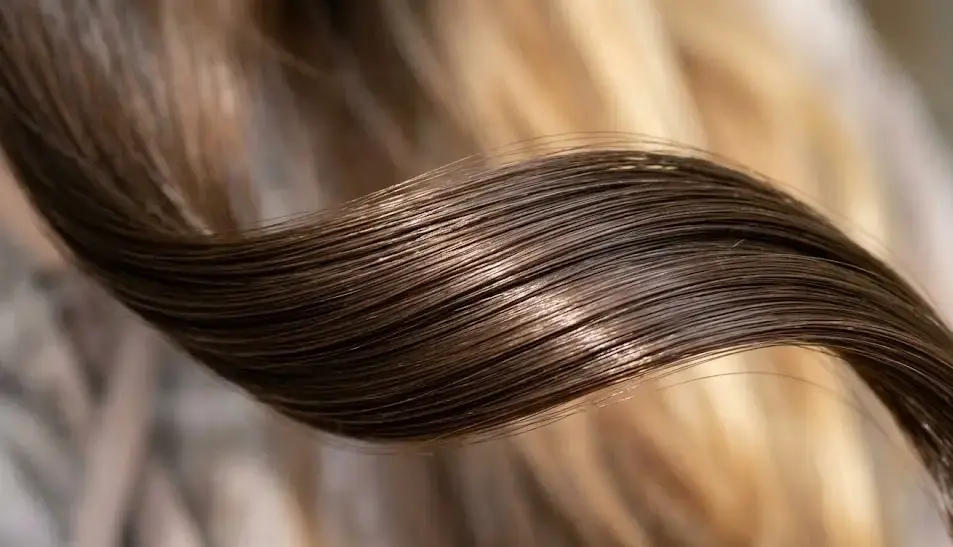
Silicones in hair refer to synthetic polymers derived from silica that coat the hair shaft to improve smoothness, shine, and heat protection. Commonly used in conditioners, serums, and styling products, they form a thin, flexible film that minimizes friction and moisture loss. But are all silicones the same, and how do they impact long-term hair health? Let’s examine their chemistry, function, and relevance in modern haircare.
KEY TAKEAWAYS
- Silicones in hair act as protective, film-forming agents.
- Water-soluble types are lightweight and easy to rinse.
- Buildup occurs with excessive use of non-soluble variants.
- Regulatory standards ensure approved silicones are safe for cosmetics.
- Proper product selection maintains both shine and scalp health.
What Are Silicones in Hair and How Do They Work?
Silicones in hair function as film-forming agents that protect strands from damage and moisture loss.
They work by:
- Coating hair fibers to smooth the cuticle surface
- Smoothing uneven hair texture and minimizing frizz
- Delivering a radiant, high-shine finish
- Acting as lubricants during styling
Examples include:
| Type | Common Example | Function |
| Non-water soluble | Dimethicone | Long-lasting shine, protection |
| Water-soluble | Dimethicone copolyol | Easy to rinse, lightweight feel |
| Volatile | Cyclomethicone | Quick-drying, non-greasy finish |
Are Silicones in Hair Products Harmful or Beneficial?
Silicones in hair can be both beneficial and controversial.
Benefits:
- Reduce breakage by minimizing friction
- Protect against heat styling
- Lock in moisture
Drawbacks:
- Non-soluble types can cause buildup
- Can flatten fine strands and reduce bounce
- Prolonged buildup prevents effective moisture retention
Which Silicones Are Considered Safe or “Good” for Hair?
Water-soluble silicones are widely regarded as safer and easier to maintain in routine washing.
Common “good” silicones include:
- Dimethicone copolyol
- PEG-12 dimethicone
- Lauryl methicone copolyol
These rinse out easily without requiring clarifying shampoos and maintain lightweight smoothness.
What Are the Side Effects of Using Silicones in Hair Over Time?
Prolonged use of non-water-soluble silicones like amodimethicone or dimethicone may lead to:
- Product buildup on the scalp and shaft
- Dullness or limp texture
- Reduced hydration from natural oils
To counteract buildup, dermatologists recommend occasional use of sulfate-free clarifying shampoos.
How Can You Identify Silicones in Hair Products?
Most silicones in haircare items appear on ingredient lists with suffixes such as -cone, -conol, or -siloxane.
To identify them:
- Read ingredient labels carefully.
- Look for water-soluble types if you prefer lightweight results.
- Avoid heavy, non-soluble variants for fine or curly hair.
Related terms often explored by readers include silicones in hair shampoo, silicones in hair products, and water-soluble silicones for hair, as these help users distinguish formulation effects.
Do Silicones Support Hair Growth or Just Improve Appearance?
Silicones in hair do not stimulate growth biologically but improve apparent length and smoothness by reducing breakage. Their protective coating allows hair to withstand mechanical stress, indirectly supporting healthy length retention.
How Are Silicones in Hair Regulated in Cosmetic Formulations?
Regulatory institutions, including the ECHA and FDA, evaluate and certify silicones deemed safe for cosmetic formulations. Most approved silicones meet dermatological standards for non-toxicity, but brands increasingly pursue biodegradable and eco-safe alternatives under global sustainability frameworks.
Conclusion
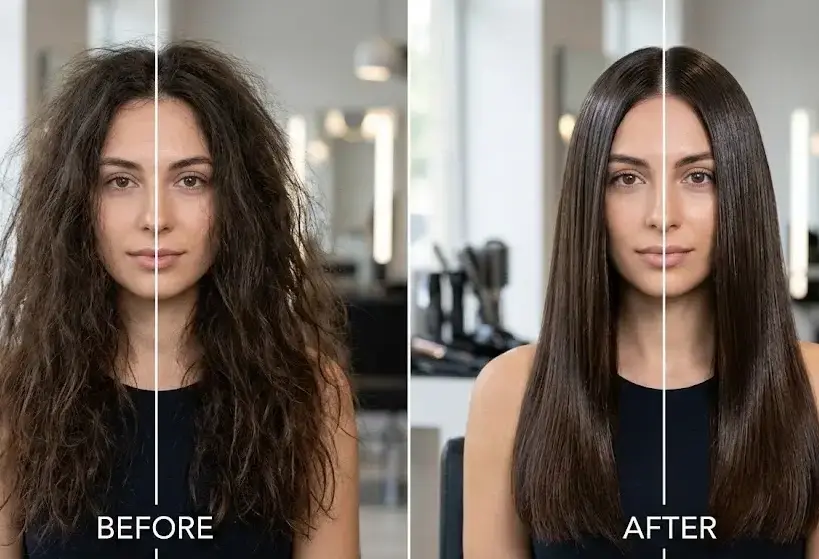
Silicones in hair provide measurable benefits in shine, detangling, and heat protection when used appropriately. The key is selecting water-soluble or lightweight variants to avoid buildup. For deeper understanding, explore the related formulation topic — silicones in conditioner — to see how these compounds perform synergistically in haircare systems.
FAQ
Is silicone harmful for hair?
Not inherently. Harm depends on the type—non-soluble silicones may cause buildup, while soluble types are safe with proper washing.
Which silicones are ok for hair?
Water-soluble silicones like PEG-12 dimethicone and dimethicone copolyol are considered safe and lightweight.
Why is silicone good for hair?
It smooths the cuticle, reduces frizz, and protects from heat and humidity.
Why do people avoid silicone?
Because non-soluble silicones can accumulate over time, making hair heavy or dull.
Sources
https://odelebeauty.com/blogs/the-rinse/are-silicones-bad-for-hair?srsltid=AfmBOop-tr7rNipi02l42U_3TP5PbdglFun75KtQTAlHX-kioRvPQVgQ
https://www.reddit.com/r/HaircareScience/comments/ohtznl/are_silicones_as_bad_as_they_are_made_out_to_be/
https://olaplex.com/blogs/news/silicones-in-hair-products
https://www.healthline.com/health/beauty-skin-care/why-is-silicone-bad-for-hair
https://pubmed.ncbi.nlm.nih.gov/40641805/
https://www.byrdie.com/silicones-shampoos
https://prose.com/blog/silicones?srsltid=AfmBOooFbhJq6FnomIMeIt1CQ0UUh0c4_ezXxSUmdo_SxiW6kRHXpqsy