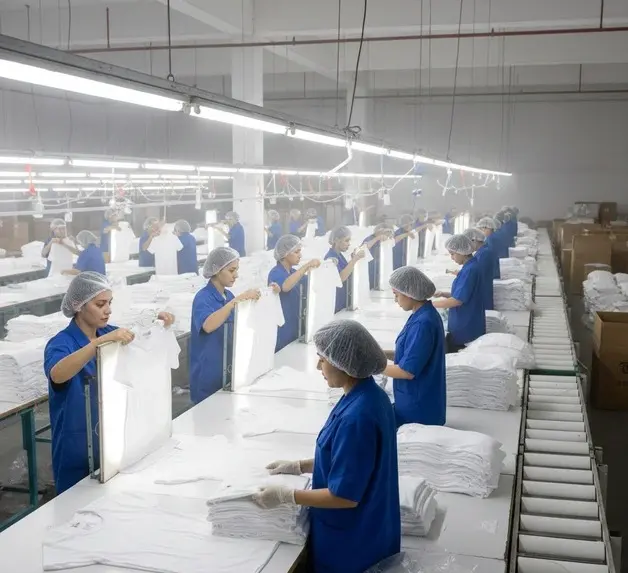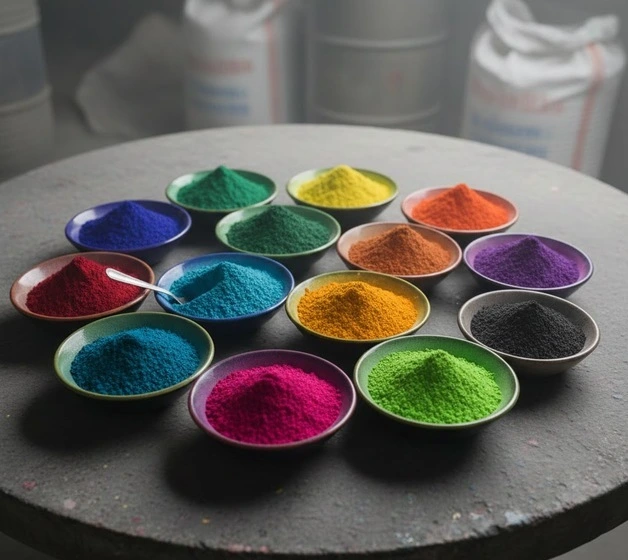
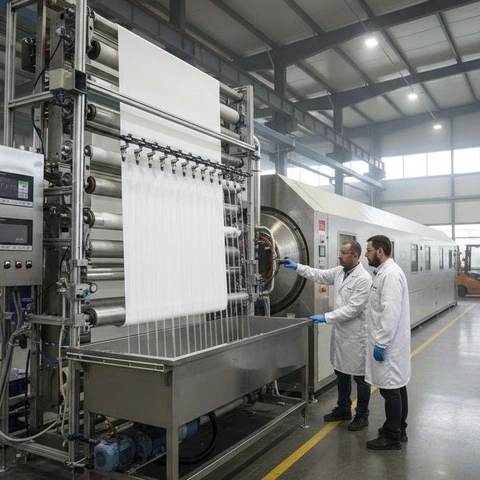
Textile coating chemicals manufacture refers to the industrial production of chemical agents applied to fabrics to improve properties such as resistance, durability, and functionality. These chemicals are vital for textiles used in apparel, technical fabrics, and industrial applications. How are these chemicals formulated to meet modern performance and environmental standards?
Key Takeaways
- Textile coating chemicals manufacture enhances fabric properties such as water resistance, softness, and durability.
- Indian manufacturers adhere to REACH, OEKO-TEX®, and GOTS standards for quality and compliance.
- Key chemicals include polyurethane, acrylics, silicone, PVC, and fluorochemicals.
- Applications span apparel, industrial textiles, technical fabrics, and home textiles.
- Innovation emphasizes eco-friendly solutions, nanocoatings, and precise formulation.
What are the primary types of textile coating chemicals manufacture involves?
Textile coating chemicals manufacture includes several key categories:
- Polyurethane (PU) coatings: Provide water resistance and flexibility.
- Acrylic coatings: Enhance surface smoothness and color retention.
- Silicone-based coatings: Impart softness, elasticity, and water repellency.
- Fluorochemical coatings: Used for stain and oil resistance.
- PVC coatings: Offer heavy-duty protection for industrial textiles.
Standards and compliance:
- OEKO-TEX® Standard 100
- REACH (European chemical regulation)
- GOTS (Global Organic Textile Standard)
How are textile coating chemicals manufactured in India?
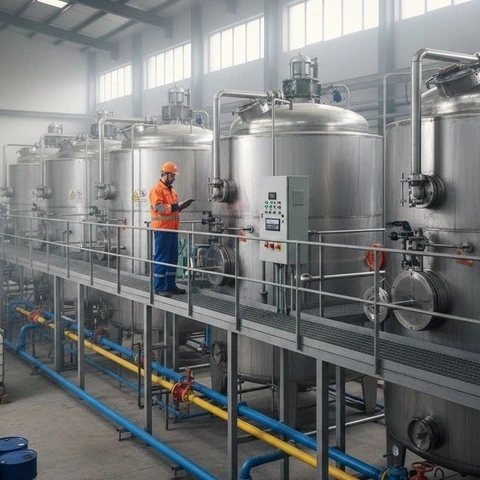
Textile coating chemicals manufacture in India typically follows a structured industrial process:
- Raw material selection: Polymers, solvents, and functional additives.
- Formulation: Blending chemicals to achieve targeted properties.
- Testing: Physical, chemical, and performance evaluation.
- Packaging and storage: In compliance with hazardous chemical norms.
Example: Leading textile chemicals manufacturers in India integrate quality checks at each stage to meet export requirements for Europe and North America.
What applications rely on textile coating chemicals manufacture?
Textile coating chemicals manufacture supports a broad spectrum of applications:
- Apparel textiles: Water-resistant jackets, stretch fabrics.
- Technical textiles: Protective clothing, medical fabrics, automotive textiles.
- Home textiles: Curtains, upholstery, carpets.
- Industrial textiles: Conveyor belts, tarpaulins, roofing fabrics.
A textile chemical liquid is often discussed alongside modifier textile chemicals, textile auxiliaries, and related processing agents used in finishing and coating.
Which standards and regulations govern textile coating chemicals manufacture?
Compliance ensures safety, performance, and environmental responsibility:
| Standard/Regulation | Purpose |
| REACH | Limits hazardous chemicals in European exports |
| OEKO-TEX® 100 | Ensures non-toxic textiles for consumers |
| GOTS | Certifies organic textile processing |
| ZDHC | Zero discharge of hazardous chemicals in production |
These standards are essential for both domestic and export markets.
How do manufacturers innovate within textile coating chemicals manufacture?
Innovation focuses on performance, sustainability, and efficiency:
- Eco-friendly polymers: Reducing VOC emissions.
- Nanotechnology coatings: Water and stain resistance at minimal thickness.
- AI-assisted formulation: Predicting optimal chemical blends for specific fabrics.
- Cross-industry collaboration: Automotive and medical textiles drive specialty coatings.
What are the main challenges in textile coating chemicals manufacture?
Key challenges include:
- Maintaining consistent chemical performance across batches.
- Compliance with evolving environmental standards.
- Reducing chemical waste and hazardous emissions.
- Adapting coatings for advanced technical textiles with specific performance needs.
Conclusion
Textile coating chemicals manufacture underpins the performance, safety, and aesthetics of modern textiles. Manufacturers focus on precise formulations, regulatory compliance, and innovative solutions. For sourcing high-quality chemicals, businesses often interlink production with trusted suppliers, such as a textile chemical dies supplier Ahmedabad, to ensure continuity in finishing processes.
FAQ
Which chemical is used in the textile industry?
Common chemicals include dyes, softeners, antistatic agents, and coating polymers.
What are the top 5 industrial chemicals?
Textile-relevant top chemicals: polyester resins, acrylics, PVC, PU, and silicone emulsions.
What are the 12 technical textiles?
Categories include agrotextiles, geotextiles, medical textiles, protective clothing, automotive textiles, and more.
What is coating in textiles?
Coating is applying a chemical or polymer layer to fabric to enhance performance, durability, or aesthetics.
Which companies lead textile chemical manufacturing in India?
Top textile chemical manufacturers in India include Fineotex, Sarex, and other industrial producers specializing in auxiliary and coating chemicals.
Sources
https://dir.indiamart.com/impcat/textile-finishing-chemicals.html
https://www.sarex.com/textile/finishing-auxiliaries/coating-agent
https://fineotex.com/textile-chemicals/
https://www.tradeindia.com/manufacturers/textile-finishing-chemicals.html
https://www.tvfinc.com/article/fabric-coating-systems-and-methods/