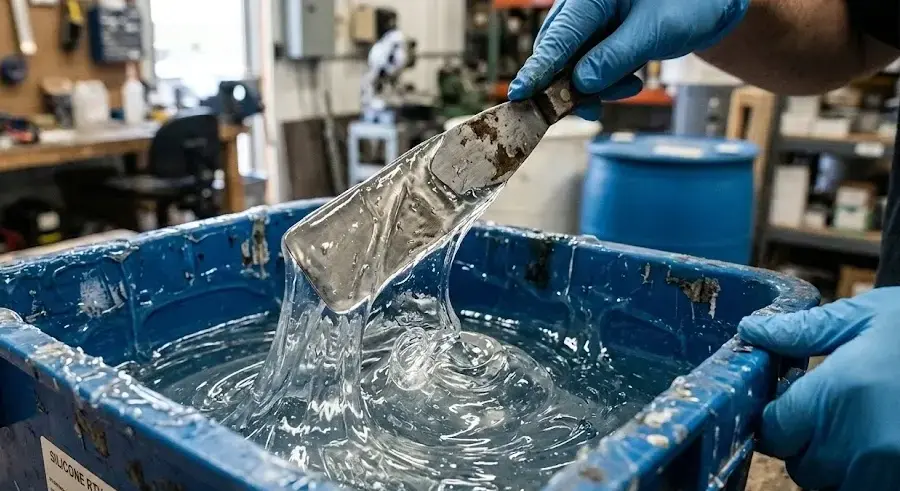
Uses of silicones refer to the practical applications of silicone polymers in industrial, medical, and consumer products. Silicones are synthetic materials made of repeating silicon–oxygen (Si–O–Si) chains that provide exceptional resistance to heat, moisture, and chemicals. Owing to their durability and stability, silicones play an important role in electronics, medical equipment, construction materials, automotive systems, and daily-use products.
Key Takeaways
- Silicones play a role in various fields such as construction, electronics, healthcare, and household products.
- Their chemical structure allows silicones to remain flexible, heat resistant, and chemically stable.
- Silicones function as sealants, lubricants, coatings, and insulating materials.
- Medical applications rely on their biocompatibility and sterilization tolerance.
- Their durability makes them valuable in automotive and aerospace engineering.
What Industrial Purposes Do Silicones Serve?
The uses of silicones in industry are primarily linked to their durability and resistance to environmental stress.
Common industrial applications include:
- Sealants and adhesives: Applied in architectural joints, window assemblies, and glass structures because they resist cracking and remain flexible during temperature shifts.
- Lubricants: Silicone oils reduce friction in mechanical systems and remain stable at high temperatures.
- Protective coatings: Placed on machine parts and electronic systems to improve resistance against rust and environmental moisture.
- Mold-release agents: Utilized in industrial molding to allow plastic and rubber products to detach smoothly from molds.
These applications are regulated in many regions by manufacturing and material safety standards used in construction and engineering industries.
How Are Silicones Used in Electronics and Electrical Systems?
Silicones are widely applied in electronics thanks to their effective insulating capabilities and thermal stability.
Typical electronics applications include:
- Electrical insulation for wires and cables
- Encapsulation of circuit boards
- Thermal interface materials for heat dissipation
- Protective coatings for sensors and microchips
Silicone-based materials maintain performance even under temperatures above 200 °C, making them valuable in high-performance electronics and aerospace components.
What Are the Uses of Silicones in Medical and Healthcare Products?
The uses of silicones in healthcare are widely recognized due to their chemical inertness and biocompatibility.
Examples include:
| Medical Application | Purpose |
| Medical tubing | Flexible and sterilizable fluid transport |
| Prosthetics and implants | Soft, durable body-compatible materials |
| Surgical sealants | Tissue bonding and wound protection |
| Contact lenses | Oxygen-permeable silicone hydrogel materials |
The U.S. Food and Drug Administration (FDA) and similar regulatory bodies examine silicone materials used in medical devices to ensure they are safe and effective.
What Role Do Silicones Play in Construction and Building Materials?
In building application, silicones are mainly used because they resist environmental conditions and remain flexible over long periods.
Major applications include:
- Waterproof sealants for windows, roofs, and joints
- Structural glazing adhesives in glass architecture
- Protective coatings that resist UV radiation and moisture
- Concrete and masonry treatments that improve durability
Silicone sealants can remain functional for decades without cracking, which is why they are commonly used in large buildings and infrastructure projects.
What Are the Uses of Silicones in Everyday Consumer Products?
The uses of silicones in everyday life appear in many household and personal products.
Common examples include:
- Cooking utensils and bakeware that withstand high oven temperatures
- Hair conditioners and skin creams that improve texture and moisture retention
- Water-repellent fabrics used in outdoor clothing
- Rubber-like phone cases and kitchen seals
Products containing silicone are often discussed alongside related materials such as silicone rubber, silicone oil, and silicone sealants used in coatings and finishing processes.
Why Are Silicones Important in Automotive and Aerospace Applications?
The uses of silicones in automotive and aerospace industries depend on their ability to function in extreme conditions.
Key uses include:
- Engine gaskets and seals
- High-temperature wire insulation
- Shock-absorbing rubber components
- Protective coatings for aircraft electronics
Silicone materials can maintain elasticity and stability across temperatures ranging from –60 °C to over 200 °C, which is critical for transportation systems exposed to harsh environments
Conclusion
The wide range of uses of silicones demonstrates how a single material class can support industries from healthcare to construction and electronics. These materials are valued in modern production and household items due to their stability, flexibility, and resistance to challenging conditions. Understanding the applications of silicones also highlights why these polymers remain critical materials for future technological and industrial development.
FAQ
What are silicones?
Silicones are synthetic polymers composed of repeating silicon–oxygen chains combined with organic groups, forming materials with high stability and flexibility.
What are the main uses of silicones in daily life?
They are used in cooking utensils, cosmetics, sealants, medical devices, electronics insulation, and waterproof coatings.
Why are silicones heat resistant?
The strong silicon–oxygen bond in their molecular structure allows silicones to remain stable at very high and very low temperatures.
Are silicones safe for medical use?
Many silicone materials are biocompatible and approved for medical devices such as implants, tubing, and contact lenses.
Why are silicones used in construction sealants?
They provide waterproofing, flexibility, and long-term resistance to UV radiation and weathering
Sources
https://www.shaalaa.com/question-bank-solutions/give-the-uses-of-silicones_230301
https://en.wikipedia.org/wiki/Silicone
https://www.xometry.com/resources/materials/uses-of-silicone/
https://www.fictiv.com/articles/silicone-uses-and-benefits
https://elkaysilicones.com/the-role-of-silicones-in-everyday-life/
https://brainly.in/question/55386236
https://allen.in/jee/chemistry/silicones
https://askfilo.com/user-question-answers-smart-solutions/uses-of-silicones-3434393332383635
https://www.simtec-silicone.com/blogs/how-is-silicone-produced/