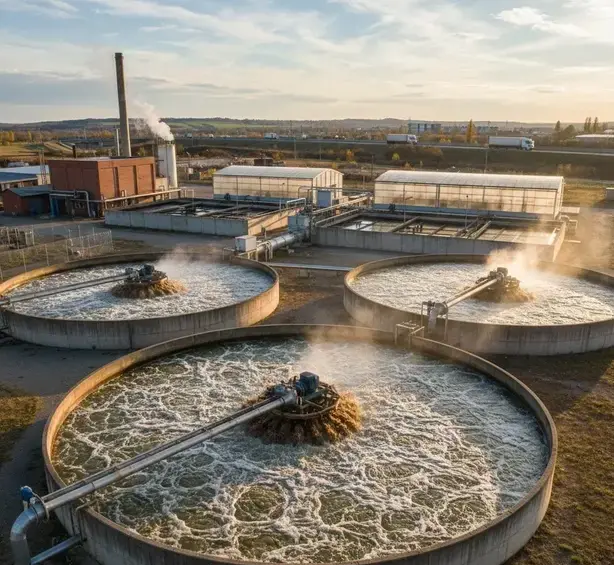
Textile effluent treatment chemicals are compounds formulated to remove colorants, heavy metals, surfactants, and organic loads from textile wastewater. Their use is essential in maintaining ecological safety and regulatory compliance. How do these chemicals transform complex textile effluents into reusable water?
Key Takeaways
- Textile effluent treatment chemicals ensure compliance with discharge norms.
- Key types include coagulants, flocculants, neutralizers, and oxidizers.
- Sustainable formulations reduce sludge and enhance biodegradability.
- Hybrid treatment methods are advancing chemical efficiency.
- Proper chemical selection depends on effluent composition and regulatory needs.
What Are Textile Effluent Treatment Chemicals and Why Are They Important?
Textile effluent treatment chemicals are substances applied to wastewater generated from textile processing to remove pollutants and ensure safe discharge.
They help:
- Neutralize acidic or alkaline effluents
- Coagulate suspended solids
- Oxidize or reduce dyes and organic contaminants
- Control odor and microbial growth
Example: Dye-house wastewater treated with polyaluminum chloride and flocculants can reduce Chemical Oxygen Demand (COD) by over 70%.
What Are the Main Types of Textile Effluent Treatment Chemicals?
Common categories include:
| Chemical Type | Primary Function | Examples |
| Coagulants | Destabilize suspended solids | Aluminum sulfate, PAC |
| Flocculants | Aggregate fine particles | Polyacrylamide, chitosan |
| pH Neutralizers | Balance effluent pH | Sodium hydroxide, sulfuric acid |
| Oxidizing Agents | Degrade dyes and organics | Hydrogen peroxide, ozone |
| Decolorizing Agents | Remove persistent dyes | Polyamine-based polymers |
| Biocides | Prevent microbial growth | Quaternary ammonium compounds |
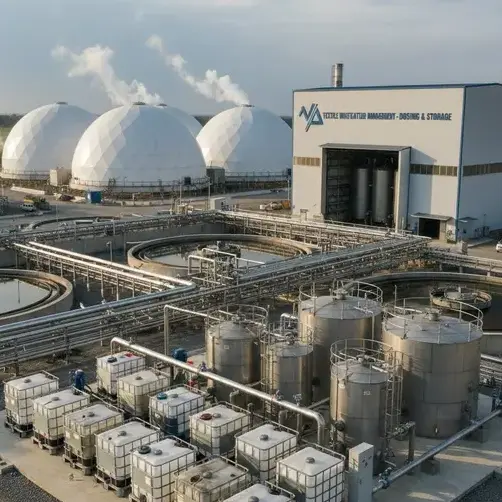
Textile chemical liquids are typically grouped with coagulants, decolorizing compounds, and odor management agents in comprehensive wastewater processes.
How Do Textile Effluent Treatment Chemicals Work in the Treatment Process?
Treatment occurs in stages involving multiple reactions:
- Coagulation–Flocculation: Chemicals like PAC destabilize particles.
- Neutralization: Adjusts pH for effective precipitation.
- Oxidation: Breaks down complex dye molecules.
- Adsorption: Activated carbon captures residual dyes.
- Disinfection: Biocides ensure pathogen removal.
Each step complements physical and biological methods such as sedimentation and aeration.
What Factors Influence the Selection of Textile Effluent Treatment Chemicals?
Selection depends on:
- Effluent composition: Dye type, surfactants, or metal ions present
- Process stage: Primary, secondary, or tertiary treatment
- Regulatory norms: Local discharge standards (e.g., Central Pollution Control Board)
- Economic viability: Cost per cubic meter of treated water
- Sludge generation: Preference for low-sludge formulations
Pilot testing is often conducted before full-scale application to ensure compatibility.
How Do Textile Effluent Treatment Chemicals Support Eco-Friendly Wastewater Management?
Modern formulations emphasize sustainability through:
- Biodegradable coagulants like chitosan and starch derivatives
- Enzyme-based decolorizing agents replacing toxic reducers
- Closed-loop systems that recover and reuse treated water
- Reduced sludge generation through optimized flocculants
These innovations align with Zero Liquid Discharge initiatives and green manufacturing standards
What Are Some Examples of Textile Effluent Treatment Chemicals in Use Today?
- Polyaluminum chloride (PAC): Coagulant for dye and COD removal
- Anionic polyacrylamide: Flocculant for fine-particle aggregation
- Hydrogen peroxide: Oxidizer for color reduction
- Cationic polymer 772: Decolorizing and deodoring agent
- Sodium metabisulfite: Reducing agent for vat and sulfur dye effluents
What Are the Latest Methods in Textile Effluent Treatment Using These Chemicals?
Modern effluent systems incorporate a combination of chemical and biological treatments such as:
- Fenton oxidation for dye breakdown
- Electrocoagulation using metal electrodes instead of chemical coagulants
- Combined ozone and UV oxidation methods applied in AOPs to achieve deeper purification of textile effluents.
Conclusion
Textile effluent treatment chemicals remain indispensable for controlling dye, COD, and BOD levels in industrial wastewater. As the industry moves toward sustainable manufacturing, hybrid chemical-biological systems and eco-formulations will dominate the next phase of wastewater innovation.
For related processes in textile finishing, see textile starching chemical, which supports smoothness and fiber integrity before effluent generation.
FAQ
What is the role of coagulants in textile effluent treatment?
They destabilize suspended particles, allowing easy separation and sedimentation.
Are textile effluent treatment chemicals safe for reuse systems?
Yes, modern formulations support water recycling when optimized for low residue.
How do decolorizing agents work?
They react with dye molecules through oxidation or charge neutralization to remove color.
What is Zero Liquid Discharge (ZLD) in textiles?
It is a treatment goal where all wastewater is recycled, leaving no discharge.
Which is the most common chemical for COD reduction?
The widespread use of polyaluminum chloride (PAC) stems from its excellent pollutant removal capacity and low sludge yield.
Sources
https://www.sciencedirect.com/science/article/pii/S2666016422000524
https://www.indiamart.com/proddetail/textile-effluent-treatment-chemicals-21739087648.html?srsltid=AfmBOoqX5d6pwTV0ZhHThUACe6beuqKTrFNcBh0Dd4305nB1XmxFk0tp
https://www.ssiaeration.com/en/news/what-is-the-best-wastewater-treatment-system-for-textile-plants/
https://onlinelibrary.wiley.com/doi/10.1155/2021/5314404
https://ebooks.inflibnet.ac.in/hsp09/chapter/effluent-treatment-methods/
https://www.waterpurifyingchemicals.com/sale-9958530-textile-waste-water-decolorizing-agent-colour-removal-chemicals.html