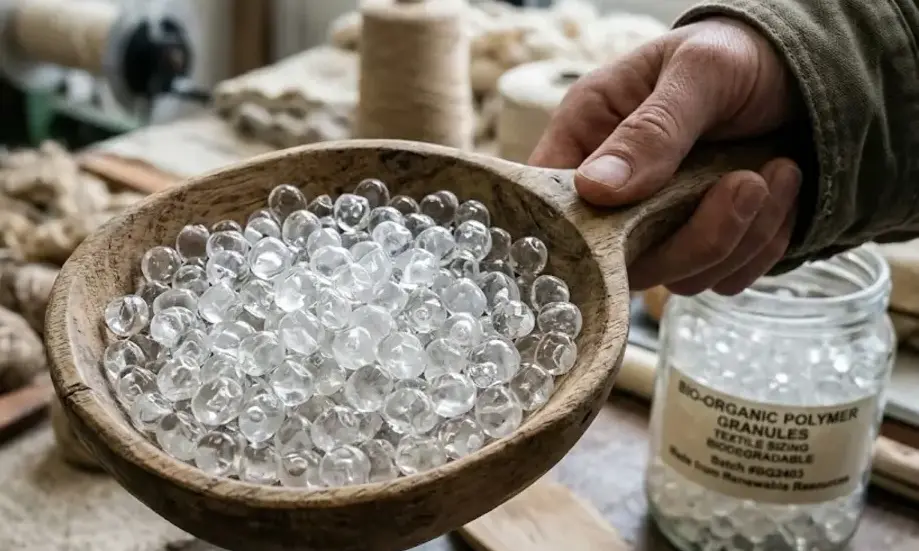
Bio organic sizing chemicals for textiles are sustainable formulations applied to yarns prior to weaving to enhance tensile strength and minimize breakage. Derived from renewable plant or microbial sources, they serve as substitutes for conventional petrochemical-based agents. Why are textile manufacturers globally shifting toward these bio organic alternatives? The answer lies in their performance balance between weaving efficiency and environmental compliance.
Key Takeaways
- Bio organic sizing chemicals are renewable, biodegradable alternatives to synthetic sizes.
- They reduce water pollution and improve effluent treatability.
- Common ingredients include starch, cellulose, and protein polymers.
- Widely used in cotton and blended fabric weaving.
- Support compliance with global sustainability standards like GOTS and OEKO-TEX.
What Are Bio Organic Sizing Chemicals for Textiles and How Do They Work?
- Improve abrasion resistance
- Enhance yarn elasticity and cohesion
- Reduce shedding and loom stoppages
Common formulations include:
| Component | Function | Source |
| Modified starch | Film formation | Maize, tapioca |
| CMC (Carboxymethyl cellulose) | Lubrication, viscosity control | Plant cellulose |
| PVA substitutes | Adhesion enhancement | Natural gums, dextrins |
Why Are Bio Organic Sizing Chemicals Preferred Over Synthetic Alternatives?
These bio-based products offer superior biodegradability and easier effluent treatment compared to traditional synthetic chemicals like polyvinyl alcohol (PVA) and acrylics.
Key advantages:
- Reduced COD/BOD in wastewater
- Improved desizing efficiency during fabric finishing
- Compliance with OEKO-TEX and GOTS guidelines
- Lower energy consumption in recycling and washing
How Are Bio Organic Sizing Chemicals Applied in the Textile Industry?
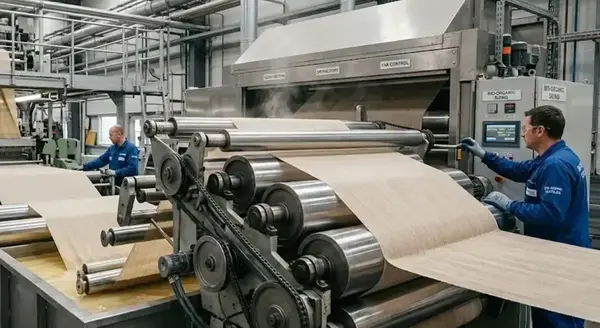
The application follows a standard sequence adapted for eco-based agents:
- Preparation: Dissolving bio polymers in hot water to create a uniform paste.
- Coating: Passing warp yarns through the sizing bath.
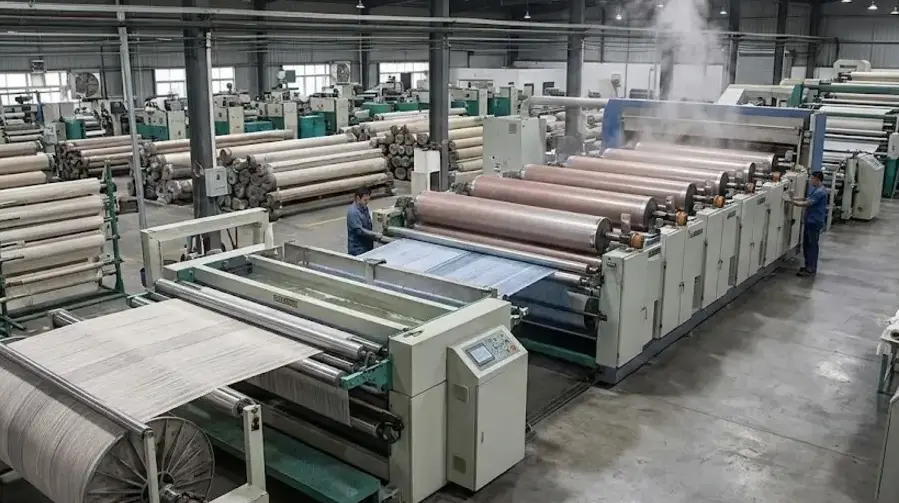
- Drying: Using heated rollers, the coated yarn is dried to achieve a smooth and even film..
- Weaving: Sized yarns enter the loom with reduced breakage.
Discussions on textile chemical liquids often include reference to desizing enzymes, bio-based softeners, and eco-conscious auxiliaries employed in pre-treatment and finishing processes.
What Are the Major Types of Bio Organic Sizing Chemicals Used?
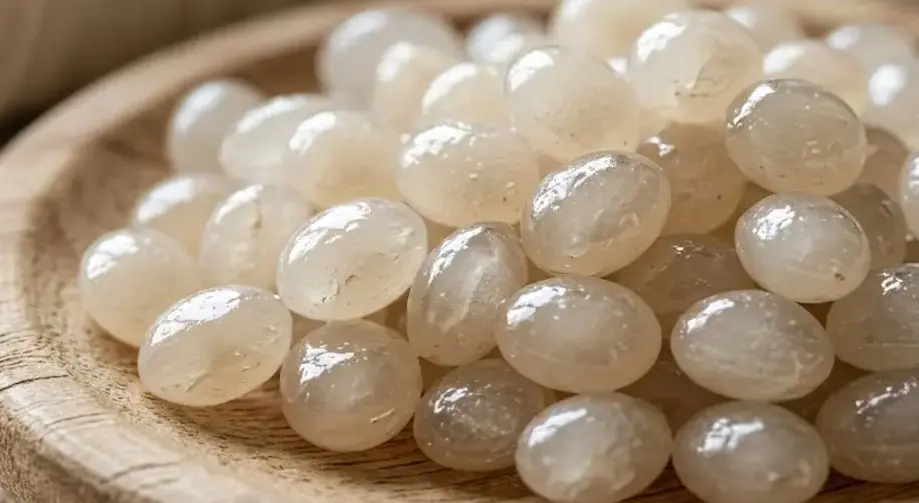
- Starch-based agents: Biodegradable, low-cost, suitable for cotton.
- Cellulose-based agents: Stable viscosity, high film strength.
- Protein-based agents: Derived from soy or casein for delicate fabrics.
- Enzymatically modified starches: High adhesion with easy removal.
Bio Organic Sizing Chemicals for Textiles- Manufacturers often blend these for balanced performance and cost efficiency.
How Do Bio Organic Sizing Chemicals Affect Effluent Treatment?
Traditional PVA-based sizes create effluents with high chemical oxygen demand (COD). In contrastb Bio Organic Sizing Chemicals for Textiles produce easily biodegradable residues.
Environmental impact reduction:
- 30–40% less sludge generation
- 50% faster biodegradation
- Better compatibility with biological effluent treatment plants (ETPs)
These properties align with global wastewater directives under ISO 14001 environmental standards.
How do present market developments and prices of bio organic sizing chemicals compare across India?
India’s textile hubs—Surat, Tirupur, and Ahmedabad—are leading adopters of bio organic sizing chemicals for cost and sustainability benefits.
Typical pricing (2026 estimates): ₹90–₹180 per kg depending on polymer composition and viscosity stability.
Growing demand is driven by export regulations favoring green certifications and buyer mandates for low-impact chemicals.
What Challenges Exist in Scaling Bio Organic Sizing for Industrial Production?
- Limited shelf life of natural formulations
- Need for controlled storage conditions
- Compatibility testing with synthetic fibers like polyester
- Higher initial procurement cost offset by lower waste treatment expenses
Research continues to enhance thermal stability and microbial resistance for long-term industrial use.
Conclusion
Bio organic sizing chemicals represent a pivotal shift toward sustainable manufacturing, reducing the ecological burden while improving yarn quality and process efficiency. As global standards evolve, these agents will play a central role in the eco friendly textile chemical process, driving India’s transition toward cleaner textile production.
FAQ
What are the chemicals used in textile sizing?
Common chemicals include starch, CMC, PVA, acrylic binders, and modified natural polymers.
Which chemicals are used in the textile industry?
Textile production uses dyes, bleaching agents, softeners, sizing agents, and finishing auxiliaries.
What is the sizing process in textile industry?
It involves coating warp yarns with a protective film to improve weaving efficiency and strength.
Why is organic chemistry important in the textile industry?
It enables the synthesis of biodegradable, non-toxic materials that enhance sustainability and fabric performance.
What are bio organic sizing chemicals made of?
They are composed of renewable starch, cellulose, and protein derivatives sourced from plants or microbes.
Sources
https://www.indiamart.com/indokemlimited/sizing-chemicals-textile-industry.html
https://www.wtin.com/article/2023/november/06-11-23/investigating-textile-sizing-polymers/
https://www.tradeindia.com/products/supersize-organic-sizing-chemical-9285831.html
https://www.sciencedirect.com/science/article/pii/S2666498423000030
https://www.exportersindia.com/product-detail/organic-textile-sizing-chemicals-5835938.htm
https://dir.indiamart.com/mumbai/sizing-chemicals.html