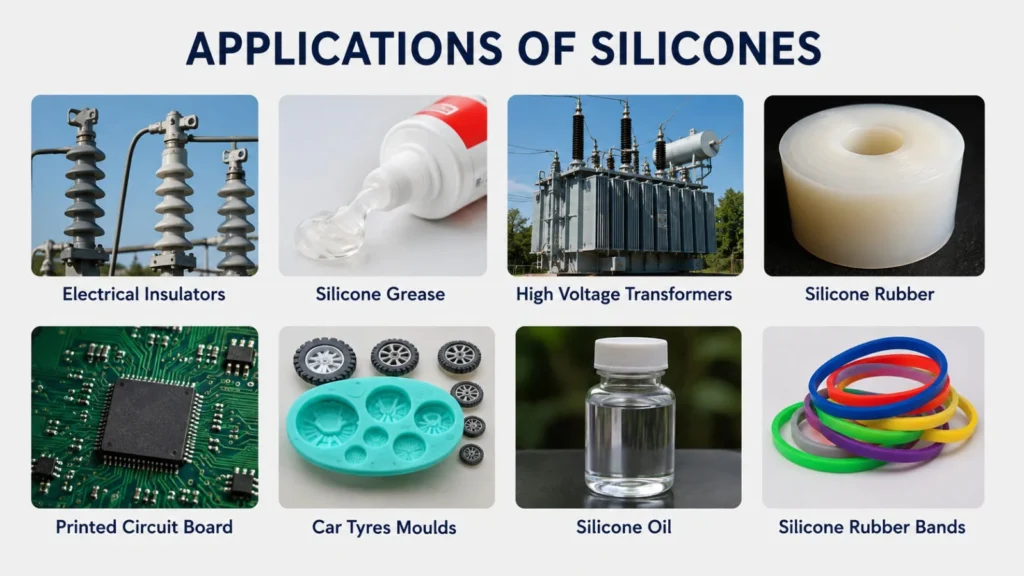
Understanding the wide range of applications of silicones highlights why these versatile polymers are indispensable across modern manufacturing. Integrating silicones in textile manufacturing revolutionizes how mills achieve premium fabric hand-feel, elasticity, and functional performance. Modern-day industries require special materials that would not only be able to cope with harsh conditions but would also remain consistent in their functioning. These types of materials include silicones, which have gained a good reputation because of their versatility and durability.
Due to silicone’s characteristics, such as being resistant to temperature, humidity, chemicals, and weathering, they can be used in various industrial and commercial areas. Now, the uses of silicones can be found in the healthcare, automobile, electronics, construction, personal care, and manufacturing sectors. With the constant development of innovative technology and special materials, the global market of silicones also grows gradually. rom heat-resistant automotive gaskets to biocompatible medical devices, the diverse applications of silicones stem from their unique flexibility, thermal stability, and chemical resistance under extreme conditions. Let’s find out more about industrial uses of silicone here.
Table of Contents
Core Properties Driving Diverse Applications of Silicones
Silicones are artificially created polymers that can function effectively even in situations when other materials can become ineffective. Their specific chemical composition makes silicones possess such qualities as flexibility, strength, and resistance to the external environment.
Some of the features of silicones which explain their wide application include:
- Resistance to temperature extremes both high and low
- Weather and ultraviolet radiation resistance
- Water repellency
- Electric insulation
- Chemical resistance
- Long lifetime and low maintenance
- Flexibility without losing their strength
Thus, silicones can be applied in the production of goods that need to last for a long time.
Silicone Polymer Applications
The wide-ranging applications of silicones demonstrate their ability to meet diverse industrial requirements. Their versatility allows them to improve product performance, safety, and durability in numerous sectors.
1. Healthcare
Silicones are widely used in the healthcare industry because they are durable, flexible, and compatible with many medical applications. The medical sector heavily relies on bio-inert applications of silicones for long-term implants, tubing, and surgical equipment.
Common uses include:
- Medical tubing
- Catheters
- Wound care products
- Prosthetic components
- Medical-grade seals
- Wearable healthcare devices
2. Automotive
The automotive industry depends on silicones to improve vehicle reliability and performance under challenging operating conditions. Automotive engineers frequently optimize engine performance by choosing high-temperature applications of silicones for hoses and gaskets.
Applications include:
- Engine gaskets
- Sealants
- Electrical connectors
- Cable insulation
- Lighting systems
- Vibration-resistant components
3. Electronics
Electronic devices require materials that provide insulation while protecting sensitive components from heat and moisture. Exploring the broad applications of silicones demonstrates their vital role in sealing and insulating high-voltage electronic components.
Silicones are commonly used for:
- Circuit board protection
- Thermal interface materials
- Encapsulation
- Cable insulation
- Moisture protection
- Electronic adhesives
4. Construction
In modern construction, silicones improve the durability and weather resistance of buildings. In modern architecture, structural applications of silicones provide weatherproofing seals and high-strength bonding for glass curtain walls.
Common applications include:
- Structural glazing
- Expansion joint sealants
- Waterproof coatings
- Window sealing
- Roofing systems
- Adhesives
5. Personal Care
Silicones are frequently used in personal care products to improve texture, spreadability, and product performance. In personal care products, specialized applications of silicones deliver a silky texture and moisture-locking barrier in skin lotions.
Examples include:
- Skin care creams
- Hair conditioners
- Cosmetic primers
- Shampoos
- Deodorants
- Sun care formulations
6. Industrial Manufacturing
Many manufacturing processes rely on silicones to improve efficiency and equipment performance. Evaluating emerging industrial applications of silicones helps formulators design advanced lubricants, release agents, and antifoaming agents.
Industrial applications include:
- Lubricants
- Mould release agents
- Protective coatings
- Industrial sealants
- Greases
- Process aids
The growing diversity of these applications of silicones continues to support innovation across numerous industrial sectors.
Polysiloxane Uses & Functions
The popularity of silicones is largely due to their outstanding combination of physical and chemical properties.
| Benefit | Why It Matters |
| Heat resistance | Performs reliably across a wide temperature range |
| Chemical stability | Maintains performance when exposed to many industrial chemicals |
| Flexibility | Retains elasticity without becoming brittle |
| Water resistance | Protects products from moisture and environmental exposure |
| Electrical insulation | Suitable for electrical and electronic applications |
| UV and weather resistance | Performs well in outdoor environments |
| Long service life | Reduces maintenance and replacement requirements |
| Low maintenance | Supports reliable long-term performance in demanding applications |
These advantages help manufacturers improve product quality while reducing maintenance costs and extending product lifespan.
Silicones Global Market Overview
The worldwide market for silicones is currently exhibiting sustained and steady growth due to rising demand from various industries for superior-quality materials. Estimated to be worth around $24.3 billion in 2025, the global market is expected to witness revenues of about $37.3 billion in 2033, recording a CAGR of 5.4%. Textile manufacturers leverage fluid applications of silicones to impart luxurious softness and water repellency to finished fabrics.
With improvements in manufacturing techniques and infrastructure development, the scope for silicone products is widening in established as well as emerging sectors.
Market Expansion Drivers
- Automotive and Electric Vehicles (EVs): Rising need for thermal management products, batteries pottants, and component sealants in electric vehicles.
- Building and Construction: Popular use of weatherproof silicones, structural sealants, adhesives, and coatings in construction and green buildings.
- Electronics and Semiconductor Manufacturing: Growing application of silicone encapsulants, gels, and insulators to protect microelectronic and IoT devices.
- Healthcare and Medical Devices: Rising usage of high-purity medical-grade silicones in wearables, implants, tubing, and delivery of medication.
- Personal Care and Cosmetics: Persistent development of high-quality silicone fluids and emulsions for enhanced product performance.
- Renewable Energy and Automation: Development of solar panel encapsulants, wind energy equipment, and automation machines.
Choosing the Right Silicone for Your Application
Proper selection of silicone is based on the application as well as the environment within which the product will be used.
The following should be considered before selecting the right silicone material:
- Temperature of operation
- Chemical resistance
- Environmental conditions (moisture/weather)
- Strength
- Electrical insulation
- Standards and regulations
- Compatibility of the product
- Durability
Working with the right silicone material supplier ensures that the selected product meets all the necessary requirements.
Final Thoughts
The increasing use of silicones can explain how this substance has become an integral component of contemporary production and innovations. Silicones have been used in the healthcare industry, automotive engineering, electronics, construction, and many other spheres to bring about durability, flexibility, and reliability. With the increasing need for innovation and the use of high-quality materials in many industries, the market for silicones is forecasted to expand. Contact the Biopol Chemicals Technical Team for more information.
Frequently Asked Questions
1. In which industries is the use of silicones most prevalent?
Silicones find their applications in the health care industry, automotive industry, electronics, construction industry, personal care products industry, aerospace, and manufacturing due to their exceptional durability and flexibility.
2. What makes silicones suitable for industrial applications?
Silicones are highly heat-resistant, have good chemical resistance, are moisture-resistant, insulating, durable, and thus ideal for use in demanding industrial applications.
3. What are the main reasons for the growth of the global silicone market?
The rising industrialisation, improvements in health care industry, development of the electronics industry, infrastructure growth, renewables, and the need for high-performance materials drive the global market for silicones.
4. How does one decide on the right type of silicone material?
This depends on the operating temperature, the kind of chemicals present, the mechanical requirements, the environment, regulatory compliance, and the intended application of the silicone.
Also Read