Silicone ear plugs provide one of the most comfortable, adaptable, and effective ways to protect your hearing, seal out unwanted noise, and keep water out of your ears during swimming or sleep. Unlike traditional foam plugs that rely on expanding inside the ear canal, moldable silicone plugs sit over the opening of the ear canal to create a custom, airtight seal. Learning the proper insertion, maintenance, and safety techniques ensures maximum comfort and noise reduction without risking ear irritation or injury. Learning how to fit silicone ear plugs correctly ensures optimal noise attenuation and water protection.
Table of Contents
Why Choose Silicone Ear Plugs?
Malleable silicone ear plugs adapt effortlessly to the unique contours of your outer ear for all-night sleeping comfort. Moldable silicone earplugs are favored by swimmers, light sleepers, travelers, and musicians for several unique benefits:
- Custom Fit: Easily shaped with your fingers to fit any ear size or structure, making them ideal for both adults and children.
- Waterproof Seal: Creates a reliable moisture barrier that prevents swimmer’s ear and middle ear infections during water activities.
- Pressure-Free Comfort: Sits gently over the ear canal entrance rather than exerting pressure against delicate ear canal walls.
- Hypoallergenic Material: Made from soft, non-irritating silicone suitable for sensitive skin.
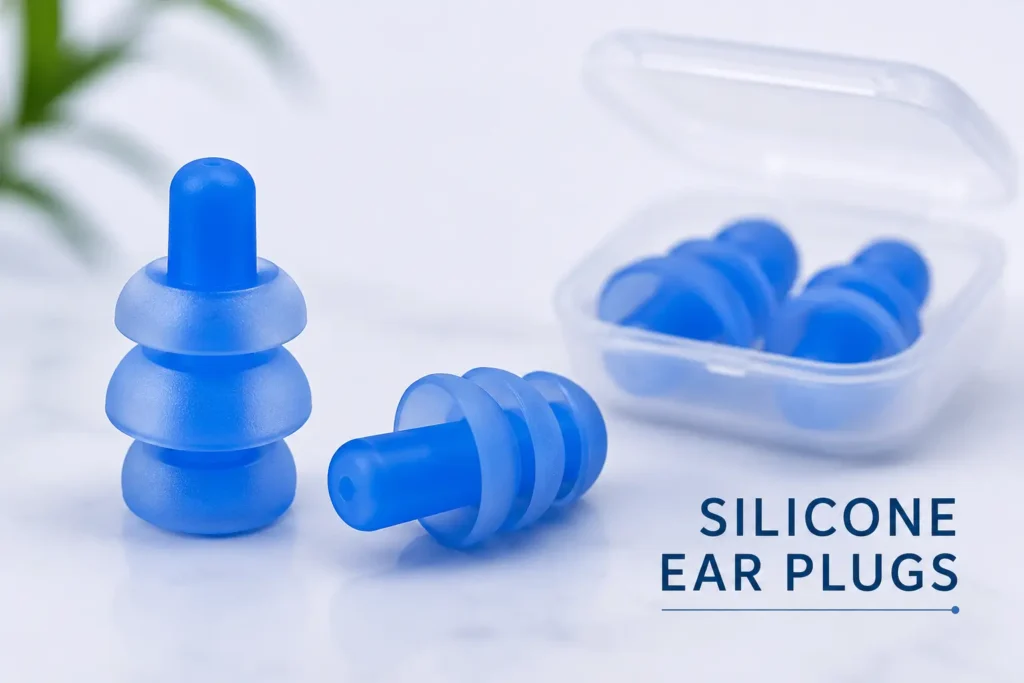
Step-by-Step Guide: How to Fit Silicone Ear Plugs Correctly
- Prep Your Hands and Ears: Wash your hands thoroughly and dry your outer ear completely. Any moisture or oil will reduce the plug’s ability to seal.
- Roll into a Sphere: Take one silicone plug and roll it between clean palms until it forms a smooth ball. Do not break or cut the silicone into smaller pieces.
- Place Over the Ear Opening: Position the ball over the entrance of your ear canal.
- Flatten and Seal: Press gently on the silicone until it flattens out, covering the outer ear bowl to form an airtight seal.
Regular maintenance and safe removal extend the lifespan of your silicone ear plugs while keeping your ears healthy.
Comparison: Silicone Plugs vs. Other Materials
| Feature | Moldable Silicone | Foam Plugs | Flanged / Pre-molded |
| Placement | Over the ear canal opening | Inside ear canal | Inside ear canal |
| Water Protection | Excellent (Waterproof seal) | Poor (Absorbs water) | Moderate to Good |
| Sleeping Comfort | High (No internal pressure) | Moderate (May cause soreness) | Low (Stems press on pillow) |
| Customization | High (Self-molding) | Low (Expands uniformly) | Fixed sizing options |
How to Remove and Clean Your Earplugs Safely
- Removal: Press gently behind the earlobe upwards to break the vacuum seal, then carefully peel the silicone edge forward from the outer ear.
- Cleaning: Wash dirty plugs with mild soap and lukewarm water. Allow them to air-dry completely before storing in their protective case.
- When to Replace: Replace your earplugs once they lose stickiness, collect dirt that cannot be washed off, or begin to break apart.
Final Thoughts
Mastering the use of silicone ear plugs allows you to enjoy peaceful sleep, safe swimming, and effective hearing protection without sacrificing comfort. By remembering to cover the canal rather than inserting inside, keeping them clean, and replacing them when worn out, you ensure maximum noise reduction and complete ear health.
Ready to elevate your healthcare manufacturing standards? Partner with Biopol Chemicals today for premium silicone solutions tailored to your exact specifications.
Frequently Asked Questions (FAQs)
1. Can I sleep sideways using silicone earplugs?
Yes. Since moldable silicone does not have protruding stems and stays flat in the outer ear bowl, it is among the best choices for those sleeping on their sides.
2. What should I do if any of the silicone parts get lodged in the ear canal?
If the earplugs are pushed too deep, do not try to retrieve them using tweezers or any other method. Seek help from an ENT specialist or medical professional to remove it.
3. Are silicone earplugs appropriate for use when swimming?
Very appropriate. Moldable silicone provides an air-tight seal that keeps water out when swimming or even taking a bath.
Also Read