Key Takeaways
- Silicone socks use a soft, medical-grade silicone layer to lock in moisture and soften cracked heels, often within one to two weeks of regular use.
- They reduce friction against the skin, which lowers the risk of blisters, calluses, and painful cracks along the heel.
- Most healthy adults can wear them safely, though anyone with a silicone allergy, open wound, or active infection should check with a doctor first.
- Silicone gel socks are reusable for several months, which usually makes them cheaper over time than buying moisturizing cream alone.
- Newer “smart sock” research is starting to combine sensors with sock-like designs, hinting at where foot care technology may be headed next.
What Are Silicone Socks?
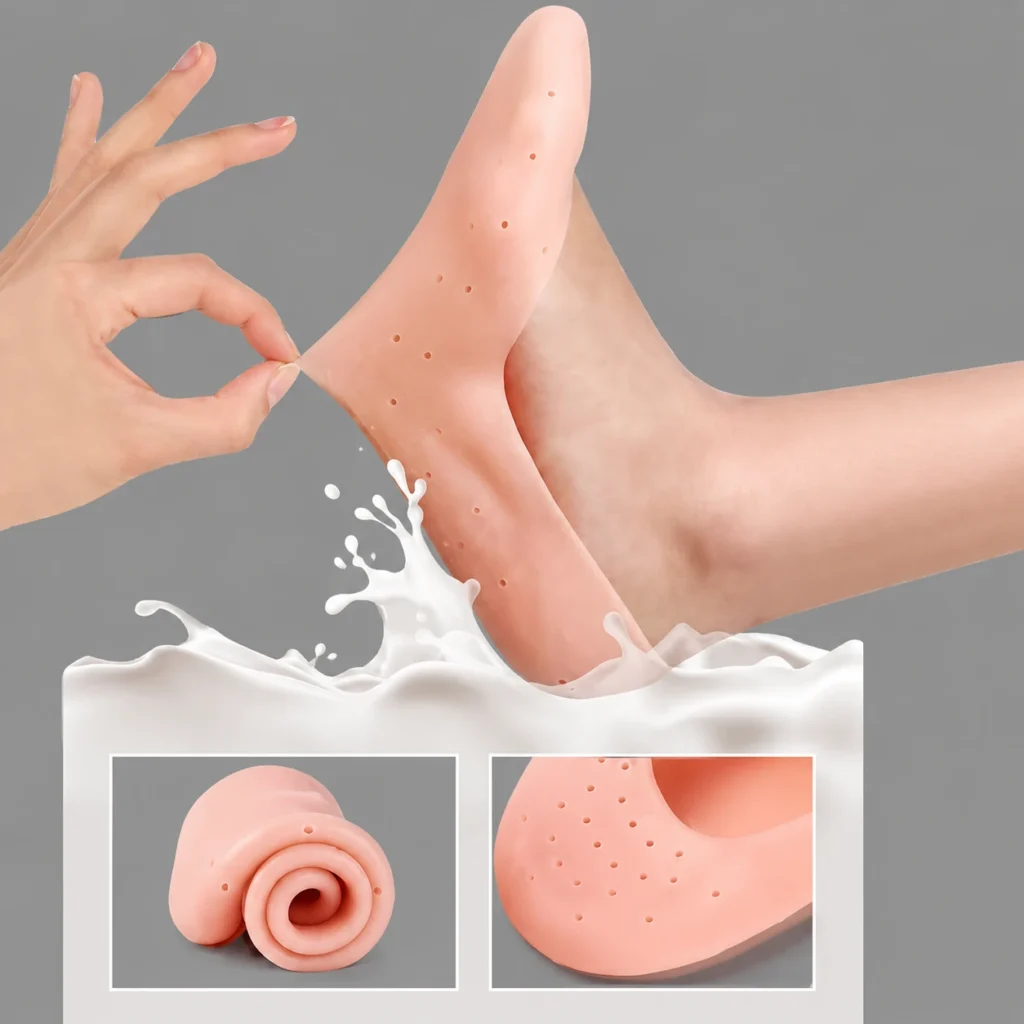
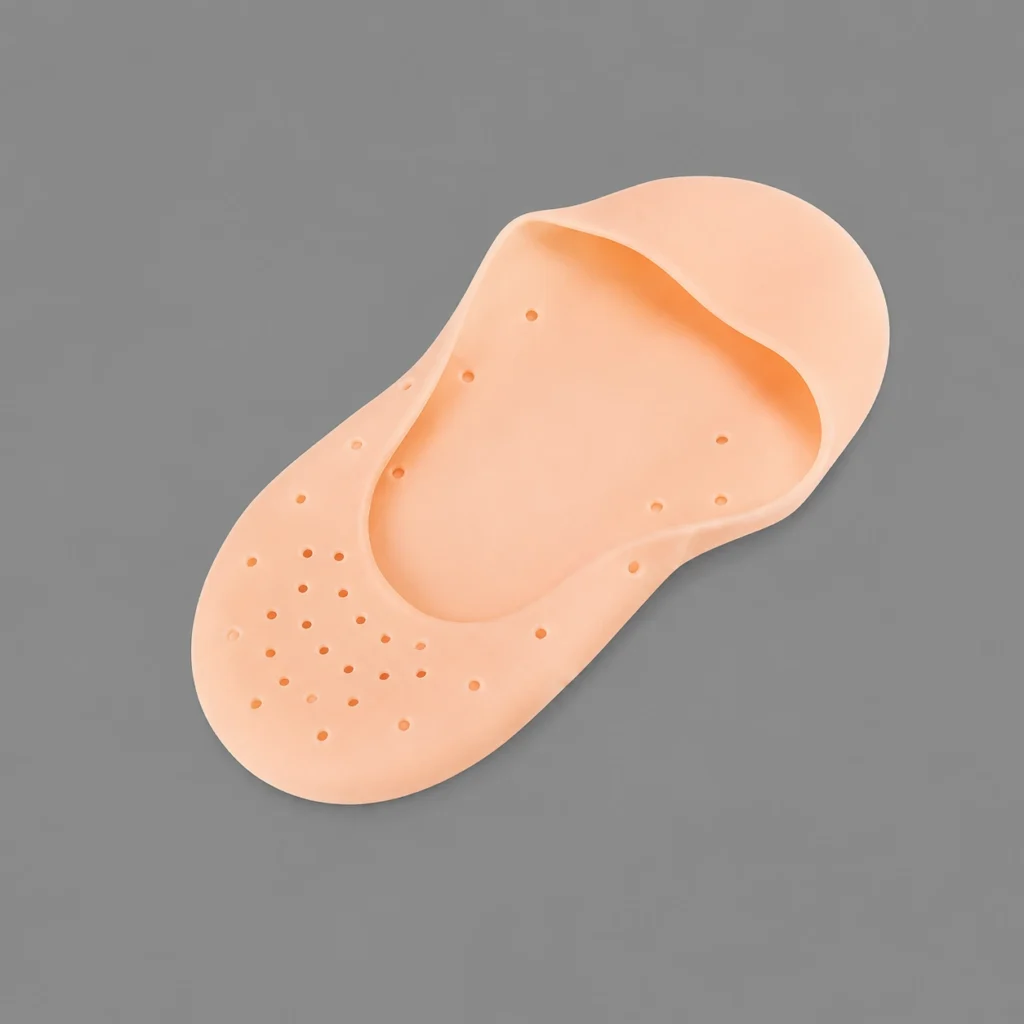
Silicone socks are a category of foot care product made mainly from medical-grade or food-grade silicone, often paired with a thin, breathable fabric lining on the outer layer. Unlike ordinary cotton or wool socks, the silicone layer sits directly against the skin and creates a light, semi-sealed barrier that helps trap the foot’s own natural moisture rather than absorbing it away. Because silicone is a synthetic polymer rather than a natural fibre, it tends to carry a lower risk of triggering the itching or irritation that some people notice with wool or rough synthetic blends.
Within this broad category, you will find several variations on the same idea. Full-length designs cover the entire foot, while shorter silicone heel socks focus only on the back and sides of the heel, where cracking is most common. Silicone gel socks is simply another name used across the market for the same family of products, usually marketed toward people dealing with dry skin, cracked heels, or general foot pampering rather than sports performance. Across every version, the core idea stays the same: a flexible, washable layer that cushions, protects, and hydrates the foot.
How Do Silicone Socks Work?
The mechanism behind them is easier to understand once you look at basic skin biology. Skin loses moisture throughout the day, and this happens faster on the heels and soles because these areas naturally have fewer oil-producing glands than the rest of the body. When you slide on a pair, the material forms a barrier that slows down that moisture loss and reflects a small amount of body heat back toward the skin.
This creates a mild occlusive effect, similar to the way petroleum jelly works when sealed under a bandage, except the sock also adds gentle, even pressure with every step. Many brands recommend applying a foot cream or gel before wearing them, since the sealed environment helps that product absorb more effectively than it would if left uncovered. With repeated use, typically two to three sessions a week over several weeks, most users notice smoother skin texture and visibly fewer cracks along the heel.
5 Powerful Benefits of Silicone Socks
Once you understand how the material behaves against skin, the appeal becomes much clearer. Here are five benefits that come up most often in both clinical foot-care advice and everyday user experience.
1. Deep Hydration for Cracked, Dry Heels
This is the benefit most people search for, and it is the main reason silicone socks for cracked heels, especially targeted silicone heel socks, have become so popular. The occlusive layer keeps existing moisture and any applied cream trapped against the skin for longer, giving it time to soften thickened, dry patches instead of evaporating within minutes. Many users report visibly smoother heels after overnight wear for one to two weeks, though results vary depending on how severe the cracking is to begin with.
2. Reduced Friction and Fewer Blisters
Because the outer surface is smooth rather than woven, it glides against the skin instead of rubbing it the way some cotton or synthetic fabrics can. This lower friction matters most for people who stand or walk for long stretches, since repeated rubbing is one of the main causes of blisters, calluses, and painful hot spots on the foot.
3. Breathable Design That Supports Healthier Skin
A well-made pair is not fully airtight. Better designs include small perforations or a breathable fabric panel that allows some airflow while still holding moisture close to the skin. This balance matters, because trapping too much sweat without any ventilation can create the damp environment where bacteria and fungus thrive.
4. Non-Slip Grip for Safer Everyday Movement
Many pairs include a lightly textured or gripping inner surface, which helps them stay in place on the heel instead of sliding down with every step. This detail sounds minor, but it is one of the more practical differences between this product and a plain moisturizing cream, since it lets you keep moving around the house instead of sitting still while a product absorbs.
5. Reusable Comfort for Diabetic-Friendly and Sensitive Feet
Because silicone does not contain the harsh dyes or fragrances found in some lotions, many people with sensitive skin find them more comfortable for regular use. That said, anyone managing diabetes or diabetic neuropathy should treat them as a comfort and moisture aid rather than a treatment, and should check with a podiatrist before adding any new foot product to their routine, since reduced sensation in the feet can hide early skin problems.
How to Use Silicone Socks the Right Way
Getting the most out of them usually comes down to a simple, repeatable routine rather than any special technique.
- Wash your feet with warm water and pat them completely dry.
- Apply a thin layer of foot cream or gel if your skin is very dry or cracked.
- Slide the socks on and adjust them so they sit snugly without pinching.
- Wear them for the time recommended on the packaging, commonly two to eight hours, or overnight for deeper hydration.
- Remove the socks, gently massage any remaining product into the skin, then rinse and air-dry before storing them for reuse.
Most pairs are designed to be reused for weeks or months with proper care, which is one reason people consider reusable moisturizing socks a better long-term value than single-use masks or disposable foot sheets.
Who Should Wear Silicone Socks, and Who Should Be Cautious
Silicone socks are generally considered low-risk for healthy adults dealing with everyday dryness, mild cracking, or tired feet after a long day of standing or walking. They are also commonly used by people who are on their feet for work, travellers dealing with dry cabin air, and anyone who prefers a fragrance-free alternative to heavy creams. However, a small number of people should be more cautious.
This includes anyone with a known silicone or latex-adjacent sensitivity, open wounds, active skin infections, or severe eczema on the foot. People with diabetes, poor circulation, or nerve damage in the feet should speak with a doctor or podiatrist before regular use, since these conditions can make it harder to notice irritation early. They remain a comfort and skincare product, not a substitute for prescribed medical treatment.
Silicone Socks vs Cotton Socks vs Gel Insoles
It helps to see how they compare with two products people often confuse them with. Cotton socks are breathable and affordable but absorb moisture rather than sealing it in, so they do little for cracked heels on their own. Gel insoles focus on cushioning and shock absorption under the sole during walking, which addresses a different problem entirely, joint and pressure discomfort, rather than dry skin. Silicone socks sit in between as a targeted skincare tool: they are not meant to replace supportive footwear, but they solve the specific problem of moisture loss and friction that ordinary socks and insoles are not designed to fix.
Faqs
Do silicone socks actually work for cracked heels?
For mild to moderate dryness and cracking, most users see a noticeable improvement in skin softness within one to two weeks of consistent use, especially when combined with a foot cream. Severe, deep, or bleeding cracks should be evaluated by a podiatrist rather than treated with silicone socks for cracked heels alone.
How long should you wear silicone socks each day?
Most brands recommend anywhere from two hours to overnight, depending on how dry your skin is. Beginners often start with shorter daytime sessions of two to four hours before working up to overnight wear.
Can you wear them every night?
Many people do wear them nightly, especially during dry winter months, and this is generally considered safe for healthy skin. If you notice redness, itching, or excess sweating, it is worth reducing frequency or switching to daytime use instead.
Are silicone socks safe for diabetics?
They can be a comfortable moisturizing option for some people with diabetes, but reduced foot sensation from diabetic neuropathy means skin problems can go unnoticed longer. Anyone with diabetes should get a podiatrist’s input before adding them to their foot care routine.
How long do they last before they need replacing?
With gentle hand washing and air drying after each use, a good pair typically lasts anywhere from three to six months before the material starts to lose its elasticity. Replacing them once they feel stiff or start to tear helps maintain the moisturizing effect.
Can they help with foot odour?
Breathable versions with ventilation panels can reduce the damp, airless conditions that allow odour-causing bacteria to grow, but they work best alongside good daily hygiene rather than as a stand-alone fix for persistent odour.
Choosing the Best Silicone Socks: What to Look for Before You Buy
Not all silicone socks are made the same way, so a little label-reading goes a long way before you buy. Look for silicone socks made from medical-grade or food-grade silicone rather than vague “silicone blend” wording, since higher-grade silicone tends to be softer and more durable. Pay attention to sizing too, since silicone socks that are too tight can restrict circulation, while a loose fit will slide and reduce contact with your heel.
It is also worth checking whether the silicone gel socks or silicone heel socks you are considering include any ventilation detailing, because fully sealed moisturizing socks with no airflow are more likely to trap sweat during longer wear. Reputable sellers usually list the expected lifespan, washing instructions, and size range clearly, which is a useful signal that a specific pair of silicone socks performs as advertised rather than just looking good in photos.
The Future of Foot Care: From Silicone Socks to Smart Sock Technology
While today’s silicone socks focus on hydration and comfort, foot care technology is moving quickly in a more advanced direction. Researchers at ETH Zurich, working through a spin-off company, have developed a sensor-equipped sock designed for people with diabetic neuropathy, a condition that causes numbness and chronic pain in the feet for roughly half of all people living with diabetes.
Unlike ordinary silicone socks, this experimental design uses pressure sensors and small electrodes to map how weight moves across the sole and to stimulate nearby nerves, artificially recreating the sensation of ground contact while walking. This kind of innovation does not replace the everyday role that silicone socks play, but it does point toward where the wider category is headed: smarter materials that respond to the individual wearer rather than offering the same fixed layer of comfort to everyone.
For now, ordinary moisturizing socks remain the accessible, low-cost entry point for softening dry skin and easing friction, while sensor-based socks are still working through clinical development and are not yet available to buy.
Conclusion
Silicone socks are not a miracle cure, but for the specific problems they target, dry skin, cracked heels, and friction-related discomfort, they are a genuinely useful, low-effort addition to a foot care routine. Used consistently and paired with a good foot cream, they can noticeably soften rough skin within a couple of weeks, and their reusable design makes them a reasonably economical choice compared with constantly repurchasing creams and masks. As with any foot care product, people managing diabetes, circulation issues, or broken skin should loop in a doctor before making silicone socks for cracked heels a regular habit, but for most healthy adults dealing with everyday dryness, they are worth the small investment.