
Eco Friendly Textile Chemical Process: 7 Proven Methods Transforming Sustainable Fabric Production
An eco friendly textile chemical process refers to the sustainable application of chemicals in textile production to minimize environmental impact.
An eco friendly textile chemical process refers to the sustainable application of chemicals in textile production to minimize environmental impact.

A water based textile ink binder chemical is a polymer emulsion that binds pigments to textile fibers, ensuring adhesion, flexibility,
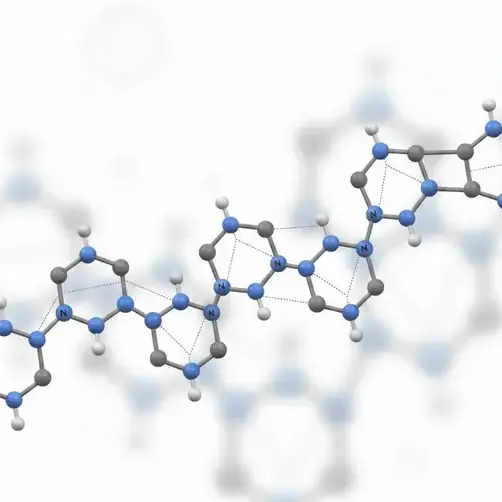
Polypyrrole and polyaniline chemicals for textile industry refer to intrinsically conductive polymers that impart electrical conductivity to conventional fabrics. These
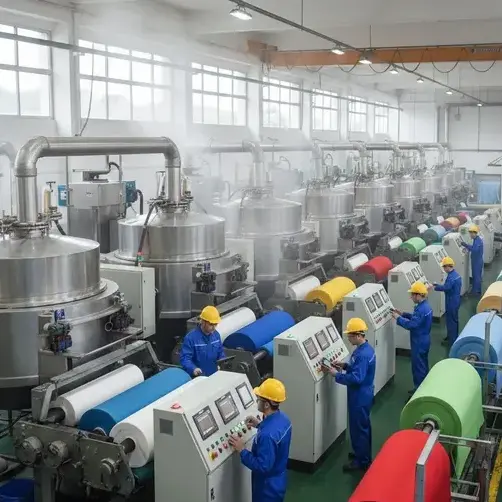
Chemicals used in textile wet processing are substances applied to fibers, yarns, or fabrics during aqueous treatment stages such as
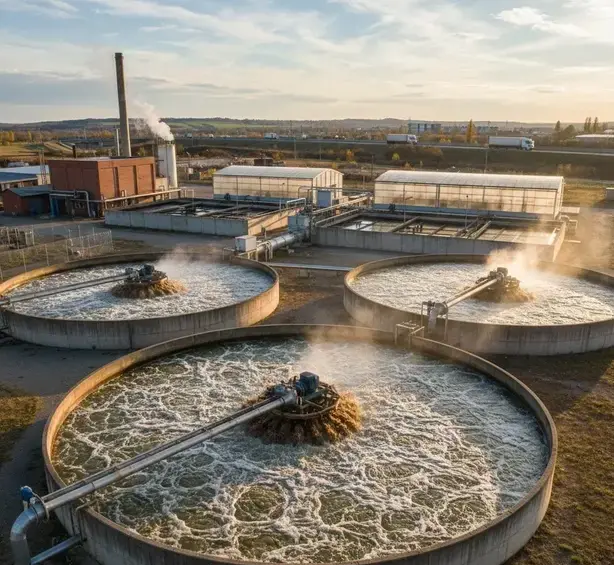
Textile effluent treatment chemicals are compounds formulated to remove colorants, heavy metals, surfactants, and organic loads from textile wastewater. Their

A textile starching chemical is a substance applied to yarns and fabrics to increase stiffness, strength, and smoothness before weaving
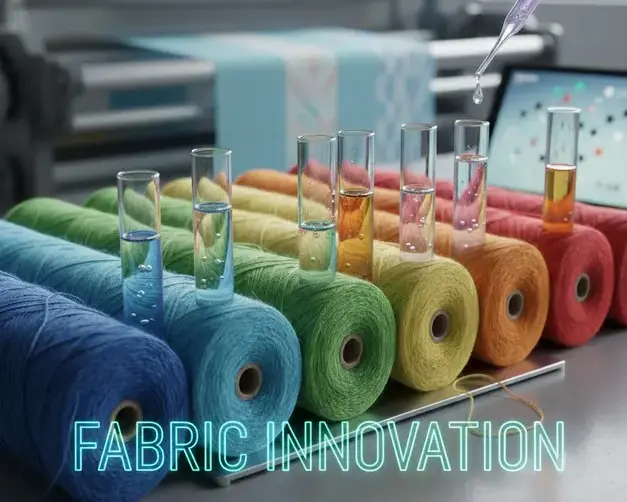
Conductive chemicals for textile industry are formulations designed to provide electrical conductivity to fabrics through coating, impregnation, or fiber integration.
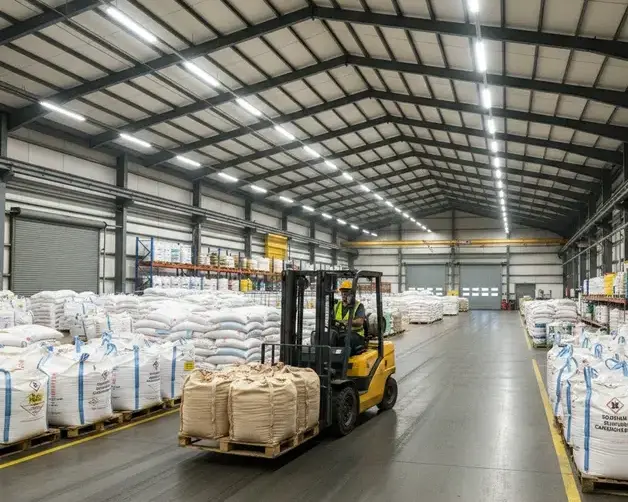
Commodity chemicals in textiles are bulk industrial substances used for fiber production, dyeing, printing, and finishing processes. These chemicals serve
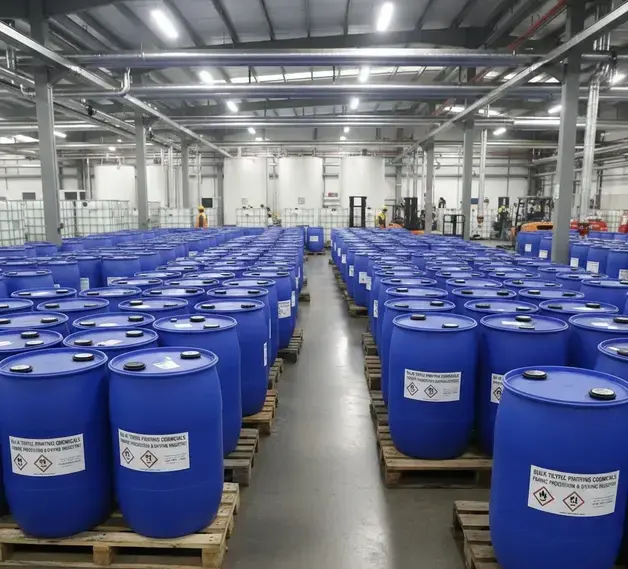
Textile printing chemicals are compounds used to apply color patterns onto fabrics through various printing techniques such as screen, rotary,

A waterproof chemical for textile is a surface treatment or finishing agent designed to make fabric resistant to water penetration