
Poly chemical in treatment of textile waste water refers to the use of polymer-based agents—such as coagulants and flocculants—to remove dyes, suspended solids, and organic matter. These chemicals accelerate sedimentation, neutralize charges, and enhance effluent clarity. Given the rising regulatory emphasis on sustainable practices, how do these poly chemicals optimize treatment performance and reduce environmental load?
Key Takeaways
- Poly chemicals are essential for efficient dye and solids removal in textile wastewater.
- Accurate dosing enhances process performance and reduces costs.
- Sustainable treatment aligns with global standards like ZDHC and REACH.
- Integration with automation ensures consistent effluent quality.
- Supports compliance and environmental sustainability for textile industries.
What is the role of poly chemical in treatment of textile waste water?
Poly chemicals act as key agents in separating pollutants from textile effluents through coagulation and flocculation.
Core functions include:
- Neutralizing colloidal charges to allow particle aggregation
- The application of poly chemicals accelerates sludge precipitation and enhances dewatering performance,
- Producing denser sludge with lower moisture content. Concurrently, they reduce COD and BOD values, lowering the organic load within textile wastewater.
- Improving clarity before biological or tertiary treatment stages
Industries typically use cationic, anionic, or non-ionic polyelectrolytes depending on effluent composition.
What types of poly chemicals are commonly used in textile wastewater treatment?
The primary types of poly chemicals include:
| Type | Function | Common Examples |
| Coagulants | Destabilize suspended particles | Aluminum sulfate, Ferric chloride |
| Flocculants | Bind particles into larger flocs | Polyacrylamide (PAM), PolyDADMAC |
| Polyelectrolytes | Enhance sedimentation and filterability | Cationic and anionic polymers |
| Defoamers | Control foam during aeration | Silicone-based or organic defoamers |
Polyelectrolytes are preferred for their low dosage efficiency and minimal sludge generation.
How does poly chemical dosing improve wastewater treatment efficiency?
Accurate dosing ensures optimal coagulation without chemical wastage.
Typical dosing process:
- Conduct jar tests to determine ideal dosage.
- Add poly chemical in the rapid-mix tank for even dispersion.
- Allow floc formation in slow-mix tanks.
- Settle or filter the clarified effluent.
Automated dosing systems are now widely implemented to ensure dosing accuracy and consistency in continuous treatment operations.
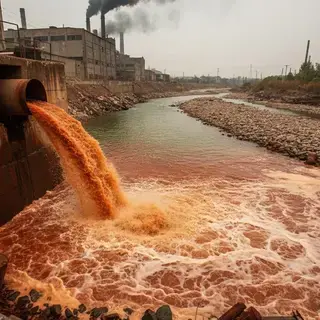
What are the primary benefits of applying poly chemical in textile wastewater management?
- Enhanced dye removal: Especially effective for reactive and disperse dyes.
- Reduced sludge volume: Compared to inorganic coagulants.
- Improved filtration performance: Produces clear effluent for reuse.
- Lower operational cost: Due to reduced chemical consumption and maintenance.
A textile chemical liquid is often discussed alongside sizing, scouring, and finishing auxiliaries used in wet processing, showing how interconnected treatment and production chemistry have become.
How do poly chemicals support eco-friendly and regulatory compliance goals?
Poly chemicals help industries meet discharge norms under Central Pollution Control Board and international wastewater standards such as Zero Discharge of Hazardous Chemicals (ZDHC) and REACH Regulation.
Key sustainability outcomes:
- Reuse of treated water in dyeing and rinsing
- Reduced toxicity in effluent streams
- Compatibility with biological and membrane-based systems
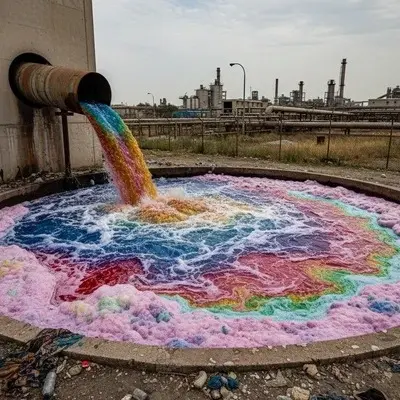
What are the challenges and optimization parameters in poly chemical use?
Challenges:
- Overdosing can cause filter clogging or sludge re-dispersion.
- Variation in wastewater characteristics across batches.
- Sensitivity to pH, temperature, and salinity.
Optimization parameters:
- Continuous monitoring of zeta potential
- Seasonal adjustment of polymer concentration
- Integration with digital control systems for dosing feedback
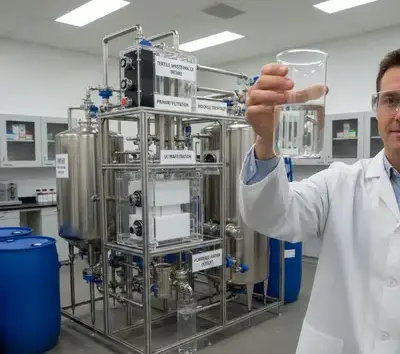
How is textile wastewater treated using poly chemicals in modern plants?
A typical textile wastewater treatment process includes:
- Pre-treatment – Screening and pH adjustment
- Primary treatment – Poly chemical coagulation and flocculation
- Secondary treatment – Biological degradation using activated sludge
- Tertiary treatment – Filtration, reverse osmosis, or UV disinfection
- Sludge management – Dewatering using cationic polymers
The combination of poly chemicals with advanced oxidation or membrane filtration ensures high-quality water recovery.
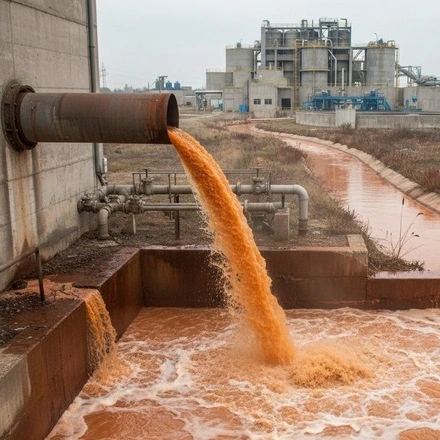
Conclusion
The application of poly chemical in treatment of textile waste water plays a pivotal role in minimizing pollution and achieving water reuse goals. As textile industries move toward zero discharge systems, understanding polymer chemistry, dosing precision, and compliance with frameworks like the textile chemical association india will define sustainable operational standards.
FAQ
What is the poly chemical used in water treatment?
Polyelectrolytes such as cationic and anionic polymers are used for coagulation, flocculation, and sludge dewatering.
What chemicals are used in wastewater treatment?
Common chemicals include aluminum sulfate, ferric chloride, lime, polyacrylamide, and chlorine-based disinfectants.
How is textile wastewater treated?
It undergoes sequential processes: coagulation-flocculation, biological degradation, filtration, and disinfection.
Why are poly chemicals preferred over inorganic coagulants?
They require lower dosages, produce less sludge, and achieve faster clarification.
Can poly chemicals be combined with biological treatments?
Yes, they are often used before or after biological systems to improve efficiency and water clarity.
Sources
https://www.chemtexltd.com/products-and-solutions/water-treatment-chemicals/wastewater-treatment/
https://www.sciencedirect.com/science/article/pii/S1944398624027796
https://sigmadafclarifiers.com/en/tratamiento-y-reutilizacion-de-aguas-residuales-industria-textil/
https://link.springer.com/article/10.1007/s13201-020-01204-4
https://www.textiletoday.com.bd/polymer-solution-removes-dyes-from-wastewater
https://pubmed.ncbi.nlm.nih.gov/22054582/
https://genesiswatertech.com/blog-post/textile-wastewater-treatment-systems/