
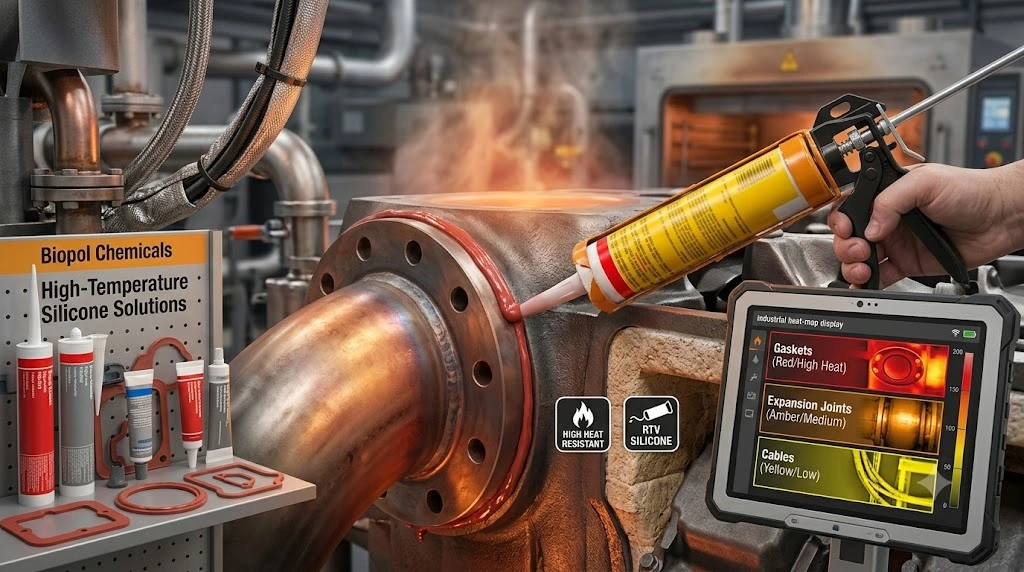
5 Benefits of High Temperature Silicone Solutions
High-temperature silicone solutions have become an indispensable component in modern manufacturing, aerospace, automotive, and industrial engineering. As industrial equipment faces increasingly severe operating conditions, conventional organic rubbers and plastics frequently fail under extreme thermal stress. Understanding the performance limits and chemical integrity of high-temperature silicone is essential for engineers, product designers, and maintenance teams striving to prevent costly material failures, maintain safety standards, and extend machine life.
Table of Contents
The Science of Thermal Stability in High-Temperature Silicone
To appreciate how high-temperature silicone outperforms standard elastomers, we must examine its unique molecular backbone. Unlike traditional organic rubbers that rely on carbon-carbon bonds, which break down and oxidize rapidly at elevated temperatures, a quality silicone elastomer features an inorganic silicon-oxygen (siloxane) network. This specific atomic alignment imparts exceptional thermal stability, enabling high-grade formulations to withstand continuous operational temperatures ranging from -60°C up to 230°C (-76°F to 446°F), with specialized grades enduring brief spikes over 300°C (572°F) without melting or becoming brittle.
Read Silicones
Physical Resilience and Performance
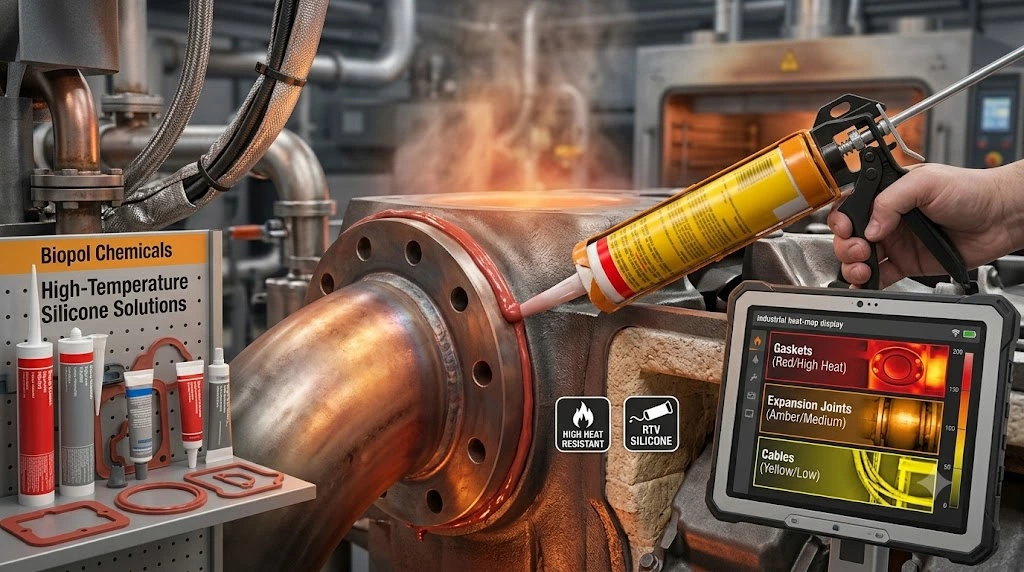
Beyond simple heat resistance, high-performing heat-resistant silicone maintains its mechanical flexibility, tensile strength, and elasticity across extreme thermal cycles. While traditional polymers expand, warp, or crack when exposed to severe heat, heat-resistant silicone retains its sealing pressure and dampening characteristics. This physical resilience makes it the primary choice for critical gaskets, seals, tubing, and thermal insulation shields operating in environments subject to rapid heating and cooling phases.
Industrial Uses of High-Temperature Silicone Compounds
Modern production lines rely heavily on specialized formulations to maintain continuous output. A high-grade industrial silicone sealant or adhesive is routinely deployed across demanding applications:
- Automotive & Aerospace: Gaskets for engine blocks, exhaust system mounts, turbocharger hoses, and wire harnesses.
- Electronics Manufacturing: Encapsulants and potting compounds that dissipate heat away from delicate circuit boards.
- Industrial Baking & Processing: Food-safe oven door seals, conveyor belting, and flexible molds operating under constant baking temperatures.
Environmental Stressors
While advanced siloxane materials excel under extreme conditions, long-term performance relies on controlling external environmental factors that can gradually degrade such silicones:
- Chemical & Fuel Exposure: Prolonged contact with non-compatible fuels, concentrated acids, or aromatic solvents can cause localized swelling or material softening.
- Excessive Mechanical Stress: Operating beyond engineered pressure limits or subjecting thin seals to constant abrasion shortens product lifespan.
- UV and Flame Exposure: Standard grades perform well under ambient UV, but extreme direct flame applications require specialized flame-retardant siloxane formulations.
Selecting Safe Products: How to Identify True High-Temperature Silicone
Selecting reliable materials for demanding operations requires careful verification of compound purity and manufacturing standards. While budget suppliers may offer low-cost heat-resistant options, uncertified blends often incorporate cheap organic fillers that char, smoke, or off-gas harmful volatile compounds when heated. Always source 100% pure, fully cured siloxane compounds certified to meet FDA, UL94, or automotive OEM standards. High-purity material ensures your seals remain fully flexible, completely non-reactive, and free from thermal breakdown across years of continuous heat exposure.
Upgrade Your Production with Engineered Silicone Solutions
Need high-performance materials built to survive extreme thermal demands? Biopol Chemicals Limited formulates certified, high-purity silicone oils, specialized emulsions, and heat-stable additives tailored to elevate your manufacturing reliability.
Connect with the Biopol Chemicals Technical Team today to request detailed technical datasheets, order samples, or consult on custom high-temperature formulations.
Frequently Asked Questions (FAQs)
1. What is the maximum continuous working temperature for silicone solutions?
Standard grades continuously withstand temperatures up to 230°C (446°F), while specialized formulations handle continuous heat up to 300°C (572°F).
2. How does high-temperature silicone differ from standard silicone rubbers?
High-temperature grades incorporate specialized heat stabilizers and high-purity siloxane networks that resist thermal oxidation and embrittlement far better than standard grades.
3. Can high-temperature silicone sealants be used for direct engine gasketing?
Yes, RTV high-temperature sealants are engineered to withstand engine oil, heat cycling, and high vibration without losing their seal.