Beyond Friction: How Silicone Lube Simplifies Mechanical Maintenance and Personal Wellness
The concept of friction is a very interesting but complicated phenomenon. On one hand, friction is required in physics to help us walk, run, and construct things; on the other hand, friction results in mechanical deterioration, deterioration of the product, energy dissipation, and even physical pain. The reduction of friction is required to achieve good results both in industry and in personal life.
In this regard, the development of silicone lubricants can be mentioned as an excellent example. Silicone oils possess some unique qualities that make them a perfect choice for many applications.
The Versatility of Silicone-Based Lubricants
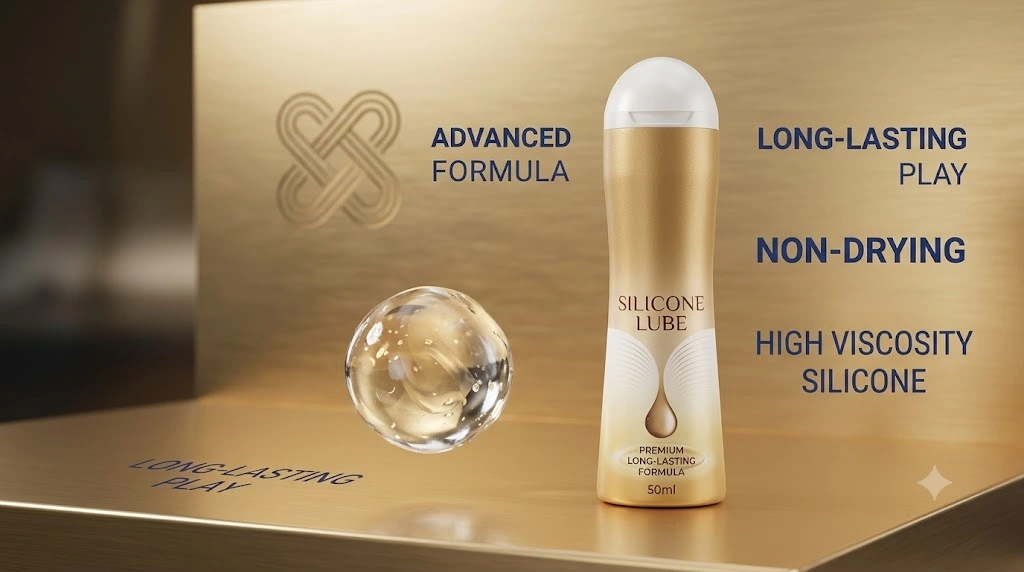
Unlike petroleum or water-based alternatives, silicone fluids do not easily break down, react with sensitive substrates, or evaporate quickly. This makes them highly effective for both industrial maintenance and intimate care.
Key Applications Comparison
| Application Area | Primary Substrates | Primary Function | Key Advantage |
| Industrial Maintenance | Metals, Plastics, Elastomers | Friction & wear reduction | Resists high temperatures & washouts |
| Rubber & Gasket Care | O-rings, Weatherstripping | Preserves flexibility, prevents cracking | Non-reactive; will not swell rubber |
| Sexual Wellness | Condoms (Latex/Polyisoprene), Skin | Long-lasting intimate lubrication | Waterproof, hypoallergenic, slick |
| Electrical Insulation | Wiring, Terminals, Connectors | Moisture barrier & dielectric protection | Hydrophobic, non-conductive |
Features at a Glance
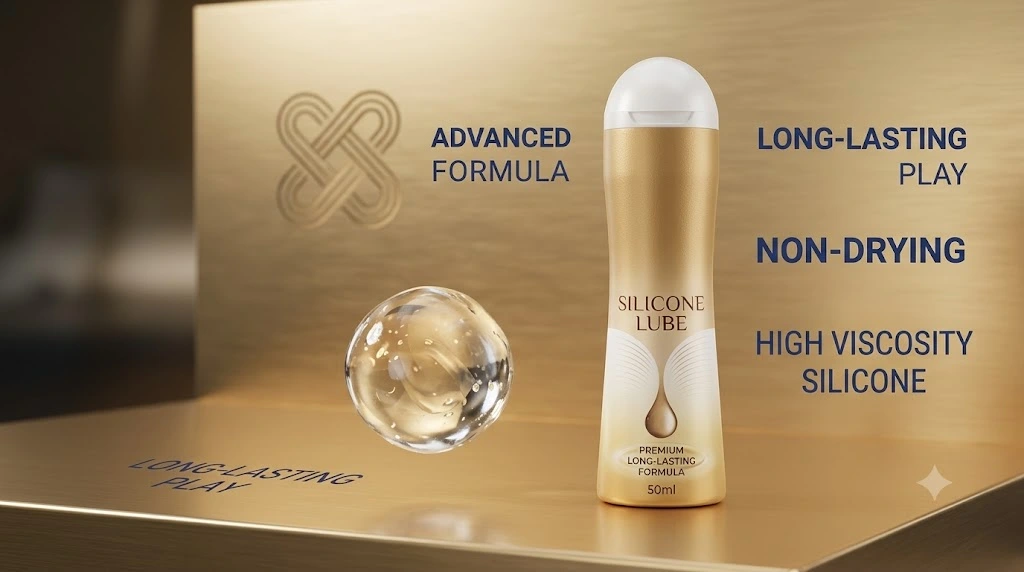
While industrial and intimate silicone lubricants share a foundational chemistry (polydimethylsiloxane), their formulations are optimized for distinct environments.
| Feature | Mechanical Maintenance Silicone | Sexual Wellness Silicone |
| Grade / Purity | Technical/Industrial Grade | Medical/Cosmetic Grade |
| Water Resistance | High (Protects against rust/corrosion) | Extremely High (Safe for shower/water use) |
| Longevity | Extreme (Stays on components long-term) | High (Requires minimal reapplication) |
| Material Compatibility | Safe on metals, plastics, rubber | Safe on skin, latex, polyisoprene |
| Safety Certifications | VOC Compliant, Industrial Safety | Dermatologically tested, Body-safe |
Why Choose Silicone Over Other Lubricants?
- Repellent Properties: Hydrophobic characteristics guarantee that the lubricant will stay effective under moist conditions, avoiding rust on machinery and remaining slick in intimate applications.
- Thermal Stability: It can withstand extreme temperatures without becoming thin or evaporating.
- Substrate Compatibility: It is harmless to delicate rubber gaskets, weather seals, and body-safe materials.
Final Thoughts
Whether it is protecting heavy-duty gaskets and electronics from corrosion or increasing pleasure in sexual wellness applications, silicone lubes have unparalleled strength and water resistance. Selecting the proper high-purity formula will guarantee optimal efficiency in either an industrial setting or at home.
Take Your Formulations to the Next Level with Biopol Chemicals
In need of high-purity silicone oils for your industrial or personal care product formulations? Biopol Chemicals provides top-of-the-line silicone formulations to suit all your manufacturing needs.
Frequently Asked Questions (FAQs)
1. Can I use industrial silicone spray for myself?
No. The industrial products are not designed for personal use. There are propellants, solvents, and some technical additives in the industrial product that are dangerous and aggressive towards skin and mucous membranes. Silicone oil for personal use is produced from pure medical-grade silicone.
2. Will silicone lubricants harm rubber O-rings or condoms?
Silicone lubricants are suitable for natural rubber latex, polyisoprene, and artificial rubbers. But silicone lubricants must not be used for silicone-based materials such as silicone toys, silicone gaskets, and others.
3. Are silicone lubricants environmentally friendly?
Silicones are inert to any chemical reaction and are non-toxic products. Also, silicones do not produce Volatile Organic Compounds (VOCs).
4. Is there any possibility of tailoring industrial silicone lubricants to your specific needs?
Yes, specialty chemicals suppliers may alter the concentration of the active agent, add emulsifying agents, or offer you special amino silicone fluids based on your production process.