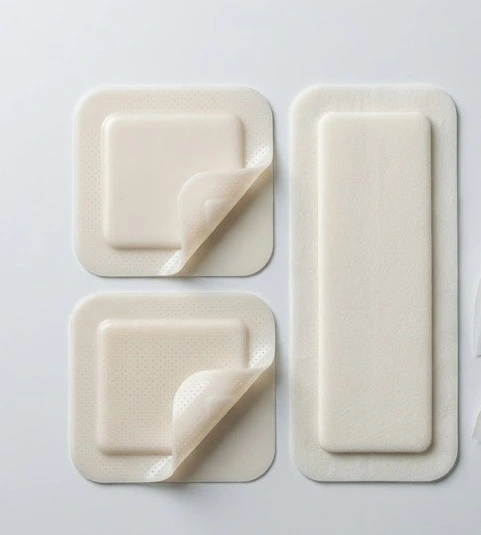
A silicone dressing is a wound covering with a soft, tacky layer that grips dry skin but lets go of a moist wound. That one trait is why nurses reach for it when skin is thin, fragile or already sore.
This guide covers the main types, what each one is used for, how to put one on safely, and what the research actually shows, including where the evidence runs thin.
Key Takeaways
- Soft silicone grips skin gently and doesn’t stick to a moist wound, so dressing changes hurt less.
- The main types are contact layers, foam dressings, gel sheets, gel and tape.
- The evidence is strongest for comfort and less skin damage, and weaker for scar results.
- Gel sheets and gel are for fully healed skin only, never open wounds.
- Spreading redness, swelling, pus or rising pain means it’s time to call a clinician.
- Always follow the product label and your nurse’s or doctor’s advice.
What Is a Silicone Dressing and How Does It Work?
Silicones are synthetic polymers made of long chains of silicon and oxygen. The form used in dressings is soft silicone, a gel-like material with a gentle tack.
That tack grips the tiny ridges of healthy skin and forms a loose seal around the wound. Silicone also repels water, so it doesn’t bond to a wet wound bed.
The Main Types You’ll Come Across
Not every silicone wound dressing does the same job. These are the kinds you’ll see most often.
Wound Contact Layers
This is a thin, flexible net coated with silicone. It sits right on the wound and lets fluid drain through into an absorbent pad on top.
It suits skin tears, burns and surgical wounds, and it lifts away easily because it won’t cling to a wet surface.
Foam Dressings With Silicone Adhesive
Here a foam pad soaks up fluid while a silicone-coated edge holds it in place. A silicone foam dressing also shields the surrounding skin from leaking fluid.
Nurses commonly use it on leg ulcers, pressure sores and surgical wounds.
Silicone Gel Sheets
This is a soft, self-adhesive sheet made for scars. It goes on only after the skin has fully closed.
Most can be trimmed to fit, washed and reused.
Silicone Gel
This is a clear gel you spread over a healed scar. It dries to a thin, flexible film, so there’s no adhesive at all.
That makes it handy for awkward spots such as joints.
Silicone Tape
Tape doesn’t treat a wound. It holds dressings, tubing or IV lines in place, and it comes off with much less pain than standard medical tape.
Common Uses and Where It Works Best
A silicone dressing earns its place wherever skin is fragile and removal hurts. Typical uses include:
- Skin tears, scrapes and surgical wounds.
- Leg ulcers and pressure sores.
- Minor burns and skin graft donor sites.
- Fragile skin, including conditions such as epidermolysis bullosa.
- Healed wounds at risk of raised scars.
A dressing is only one part of care. Pressure ulcers also need pressure relief, and leg ulcers often need compression, so follow your care team’s full plan.
Cost is the usual drawback. A silicone wound dressing generally costs more than a basic adhesive pad, though longer wear times can narrow that gap.
Silicone vs. Traditional Adhesive Dressings
Ordinary adhesive dressings can strip away a layer of skin cells when they come off. A silicone dressing spreads the pulling force over a wider area, so removal is kinder. Here is how the two compare.
| Silicone | Traditional adhesive | |
| Removal | Gentle, with less skin stripping | Can pull off skin cells |
| Grip over time | Steady and repositionable | Some acrylic adhesives grip harder the longer they stay on |
| Contact with a wet wound | Does not stick | May stick, depending on the product |
| Cost | Usually higher | Usually lower |
Benefits Worth Knowing
- Gentler removal. Less pulling means less pain at every change.
- Less skin damage. The wound edges and surrounding skin take less punishment.
- Reusable grip. Many products can be repositioned without losing hold.
- Few reactions. Silicone isn’t absorbed into the body, so reactions are rare.
What the Research Says About Silicone Dressings
The comfort claims have decent support. One small randomized study of 38 older adults with stage II pressure ulcers compared a silicone foam dressing with a hydropolymer dressing.
Healing rates looked similar: 8 of 18 ulcers healed in the silicone group and 10 of 20 in the other. The gap showed up in skin damage, with two reports in the silicone group against 32 in the comparison group.
That’s promising but limited. The trial was small, wasn’t blinded and dates from 2003, so its authors called for larger studies.
Scar evidence is shakier. A Cochrane review found that silicone gel sheets improved scar thickness and color, yet it rated most trials as poor quality and open to bias. It found only weak evidence that sheets prevent abnormal scars in people at high risk.
DermNet takes a similar line, noting a lack of strong evidence for reducing established scars. So treat silicone as a sensible, low-risk option, and be wary of any product page that promises faster healing.
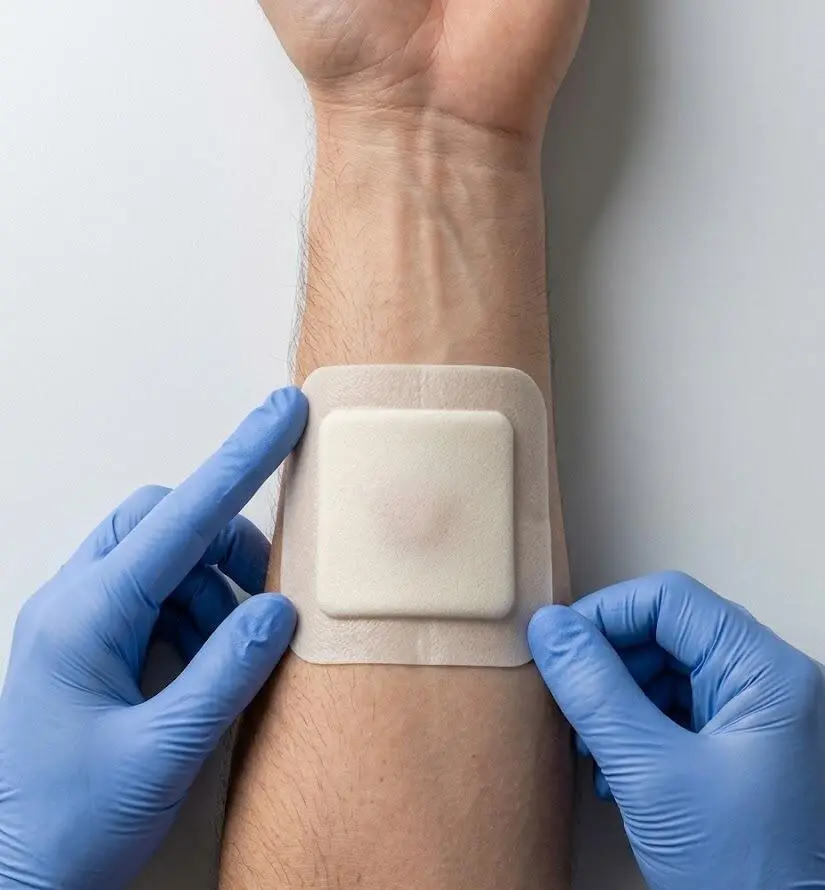
How to Apply a Silicone Dressing Step by Step
Follow your nurse’s instructions or the leaflet first. As a general guide:
- Wash your hands and lay out your supplies.
- Clean the wound as you’ve been shown, then dry the skin around it so the silicone can grip.
- Pick a size that leaves a margin of healthy skin all the way round.
- Peel back the liner and place the dressing without stretching it, smoothing from the center outward.
- Add a secondary dressing or tape only if the product calls for one. Contact layers need an absorbent pad on top.
- To remove it, hold the skin steady and peel the edge back slowly and low to the skin.
- Change it as directed. In the pressure ulcer study, dressings were changed roughly every six days, and leaking wounds needed it sooner.
Using Silicone Gel Sheets on Scars
Gel sheets follow a different routine from wound dressings.
- Start only once the wound has fully closed. Some hospital leaflets suggest waiting six to eight weeks after surgery, so ask your surgeon.
- Build up wear time gradually, from a few hours a day to at least 12 hours if your skin tolerates it.
- Wash the sheet and your skin daily with mild soap and lukewarm water, and let both dry.
- Skip creams under the sheet, because they stop it sticking.
- Replace it once it stops sticking. Scar care often runs for months.
Side Effects and Who Should Be Careful
Reactions to a silicone dressing are uncommon, but skin can still react to the adhesive or to trapped moisture. Watch for:
- Redness, itching or a rash under the dressing.
- Soggy, softened skin if the dressing leaks or stays on too long.
- Irritation from a gel sheet that’s dirty or pulled tight.
Get medical advice if you notice spreading redness, warmth, swelling, pus, a bad smell, rising pain or a fever. The same goes for a wound that isn’t improving, or a scar that is raised, painful or growing.
Gel sheets and gel should never go on open or infected wounds unless a clinician says so. Deep or infected wounds need a professional’s assessment first.
How to Choose the Right One
- Wet or dry? Heavily leaking wounds usually need a silicone foam dressing, or a contact layer with an absorbent pad.
- Open or healed? Closed scars call for sheets or gel, while open wounds need a silicone wound dressing.
- Which body area? Joints often suit gel, and flat areas suit sheets.
- How fragile is the skin? Thin or aging skin benefits most from soft silicone adhesive.
- What’s the real cost? Compare the price per day of wear, not just the price per box.
- Where to buy? Gel sheets and gel are sold over the counter at pharmacies and online, while wound dressings are often supplied through a clinic.
Faqs
What is a silicone dressing used for?
It protects and covers wounds on fragile skin, such as skin tears, ulcers, surgical wounds and minor burns. Gel sheets and gel are used on healed scars instead.
How often should a silicone dressing be changed?
It depends on the product and the wound. Foam types can stay on for several days, but leaking wounds need changing sooner. Follow the label or your nurse’s advice.
Can you shower with a silicone dressing?
Many are water-resistant, but not all are fully waterproof, so check the label. A quick shower is often fine, while long soaks and swimming can loosen the edges. Gel sheets are usually taken off before bathing.
Does a silicone dressing help scars?
Gel sheets and gel may modestly improve the thickness and color of raised scars on closed skin. The research is mostly low quality, so expect gradual, uncertain gains.
Can you put silicone on an infected wound?
Not on your own. Silicone doesn’t treat infection, and signs such as pus, warmth or spreading redness need a clinician’s review first.
Bottom Line
A silicone dressing isn’t magic, but for fragile skin and sore wounds it’s one of the kindest options on the shelf. Its best-supported advantage is gentler removal with less skin damage, while the scar benefits are modest and less certain.
Match the type to the wound, follow the label and ask a nurse or pharmacist when you’re unsure. This guide is general information, not medical advice, so see a healthcare professional for wounds that aren’t healing or scars that are raised, painful or growing.