Chemicals used in textile finishing are compounds applied to fabrics during the final stage of processing to enhance properties such as softness, crease resistance, water repellence, and durability. They are essential for transforming raw textiles into functional, market-ready materials that meet global performance standards.
Key Takeaways
- Fabric aesthetics and performance characteristics are largely influenced by textile finishing chemicals.
- Common agents include softeners, resins, and repellents.
- Eco-friendly formulations are replacing hazardous variants.
- Compliance with REACH and Oeko-Tex® ensures safety.
- Advanced techniques minimize water and chemical waste.
What Are Chemicals Used in Textile Finishing and Why Are They Important?
Textile finishing chemicals modify fabric characteristics to meet specific consumer or industrial demands. They are used to:
- Improve appearance (brightness, smoothness, or luster)
- Enhance performance (shrink resistance, waterproofing, or anti-wrinkle effects)
- Add functional finishes (antibacterial, flame retardant, or UV-protective properties)
These chemicals bridge the gap between raw textiles and high-performance end products.
What Are the Main Types of Textile Finishing Chemicals?
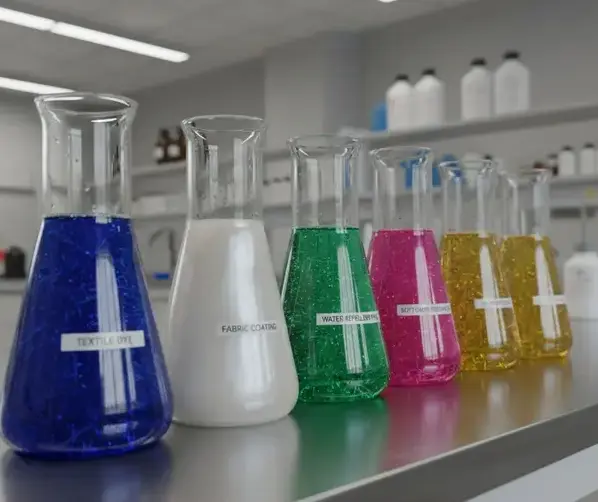
Finishing agents can be classified based on their intended effect:
| Category | Purpose | Common Chemicals |
| Softeners | Enhance hand feel | Silicone emulsions, fatty acid condensates |
| Resins | Improve crease and shrink resistance | DMDHEU, melamine-formaldehyde |
| Flame Retardants | Reduce flammability | Phosphorus-based compounds |
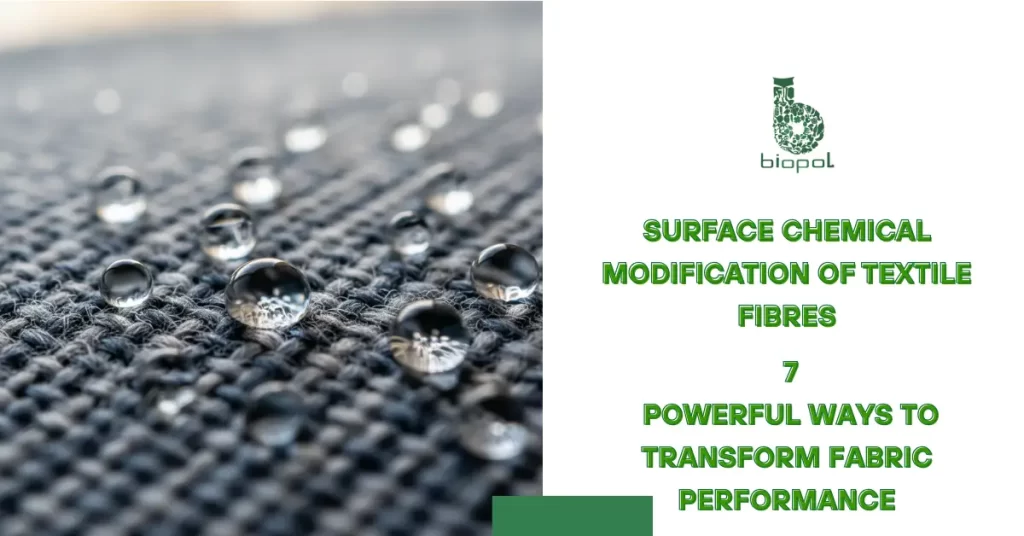
| Water Repellents | Create hydrophobic surfaces | Fluorocarbon finishes, paraffin emulsions |
| Antimicrobial Agents | Inhibit bacterial growth | Quaternary ammonium salts, silver nanoparticles |
| Optical Brighteners | Enhance whiteness | Stilbene derivatives |
How Are Chemicals Used in Textile Finishing Applied to Fabrics?
Application methods depend on fiber type and desired durability:
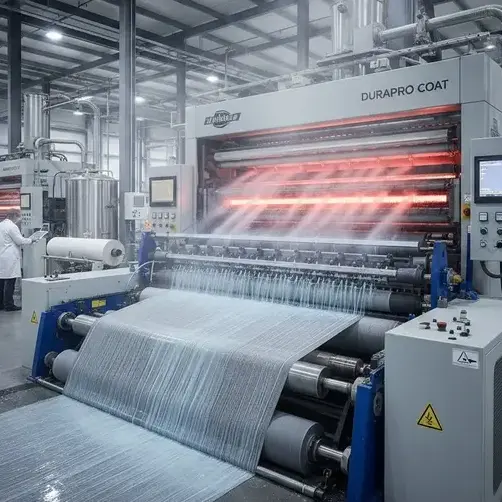
- Padding: Fabric passes through a solution bath for uniform coating.
- Exhaustion: Finishing agents are absorbed during controlled heating.
- Spraying: Light finishes applied evenly to reduce water use.
- Foam Finishing: Eco-friendly technique minimizing chemical load and wastewater.
A textile chemical liquid is often discussed alongside binder agents, softeners, and coating auxiliaries used for controlled surface modification and improved finishing results.
What Are Some Examples of Specific Chemicals Used in Textile Finishing?
Key examples include:
- Silicone-based Softeners: Provide permanent softness and elasticity.
- DMDHEU Resin: Enhances wrinkle recovery in cotton fabrics.
- Zinc Pyrithione: Offers antibacterial protection in medical textiles.
- Polyurethane Coatings: Increase tear strength and water resistance.
- Optical Brighteners: Improve fabric whiteness for aesthetic value.
How Do Finishing Chemicals Affect Fabric Performance and Sustainability?
Modern finishing chemicals focus on performance enhancement with reduced ecological impact.
- Sustainable alternatives use bio-based polymers and non-formaldehyde resins.
- Waterless technologies like plasma and UV curing minimize waste.
- Regulatory compliance with REACH and Oeko-Tex® ensures safe consumer use.
These advances align with industry efforts to balance quality with environmental responsibility.
Which Environmental and Safety Guidelines Apply to Textile Finishing Chemicals?
Finishing processes must comply with environmental and occupational safety standards:
- Restriction under REACH (EU) and EPA (USA) guidelines
- Wastewater management under ZLD (Zero Liquid Discharge) systems
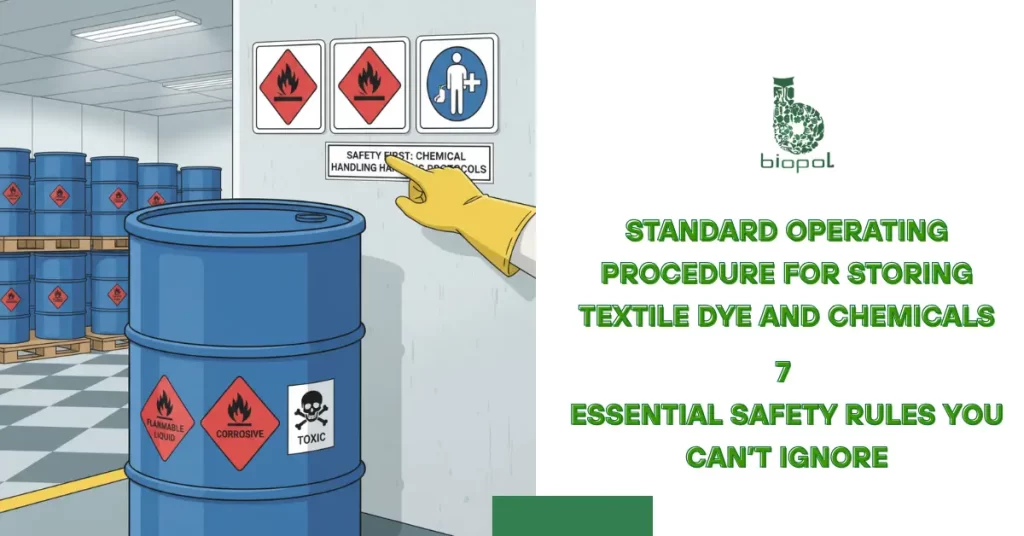
- The inclusion of Material Safety Data Sheets enables informed chemical management and regulatory compliance.
Manufacturers increasingly adopt eco-certifications to verify non-toxic and biodegradable formulations.
How Do Finishing Agents Work Together with Other Textile Processing Chemicals?
Finishing chemicals work in synergy with pre-treatment and dyeing agents. For instance, swelling agent chemical in textile applications enhance dye absorption before finishing, ensuring even coloration and better binding of functional coatings.
Conclusion
Chemicals used in textile finishing are central to enhancing the functionality, durability, and safety of fabrics in modern manufacturing. From silicone softeners to eco-friendly resins, each plays a defined role in optimizing textile performance while adhering to global sustainability standards. As the industry advances, innovations in chemical finishing continue to complement preparatory processes such as swelling agent chemical in textile applications for superior end results.
FAQ
What are textile finishing chemicals?
They are substances applied to fabrics to enhance performance, appearance, and specific functional properties.
Which chemical is mainly used in the textile industry?
Silicone-based softeners and formaldehyde-free resins are among the most commonly used finishing agents.
What are the different types of chemical finishing?
Major types include softening, crease-resistant, flame-retardant, water-repellent, and antimicrobial finishes.
Which chemical is used for color fixing?
Cationic fixing agents such as polyamines and resins are used to improve dye fastness and prevent color bleeding.
Sources
https://acmemills.com/industry-news-blog/list-of-chemicals-used-in-textile-dyeing-industry/
https://fineotex.com/blog-types-of-textile-finishing-agents-and-their-specific-applications/
https://en.wikipedia.org/wiki/Chemical_finishing_of_textiles
https://camachem.com/fr/blog/top-10-textiles-chemicals?srsltid=AfmBOopgk7sEqOgHC70H2NP5GvMDbp9a6IBJTITaCe5Sr1kYg_NvuQd6
https://www.orchid-chem.com/blog/what-are-the-common-textile-chemicals-used-in-finishing-processes-1113629.html