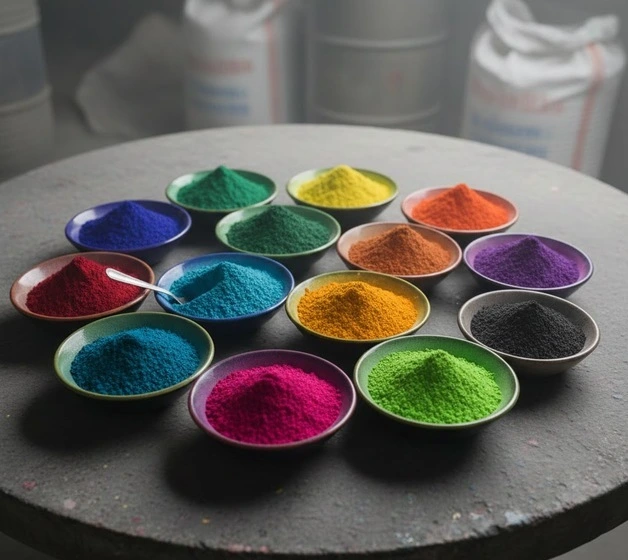
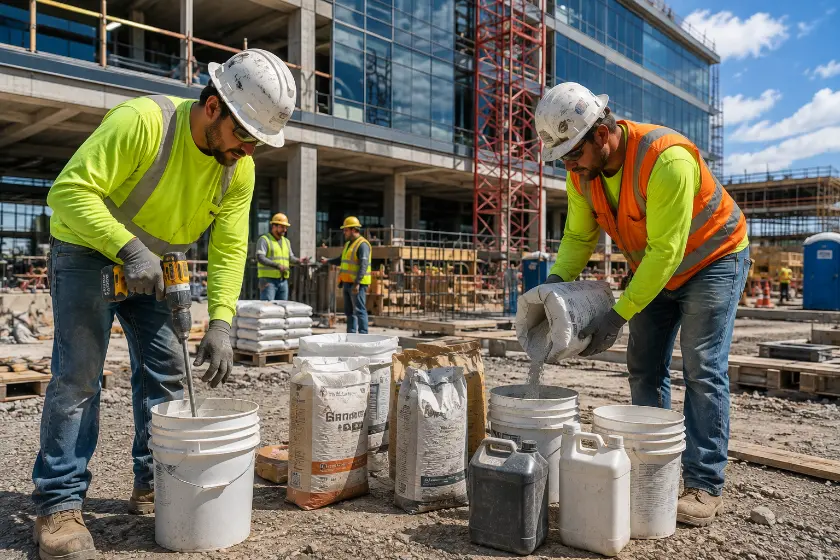
The construction chemicals industry supports many of the activities that keep modern buildings and infrastructure strong, functional, and protected. These specialized materials are used alongside concrete, cement, steel, masonry, and other building materials to address specific construction requirements.
Key Takeaways
- Wide Applications: Construction chemicals are used in buildings, roads, bridges, tunnels, and industrial projects.
- Multiple Solutions: Admixtures, waterproofing products, grouts, sealants, coatings, and repair materials serve different needs.
- Better Protection: These products can improve durability, moisture resistance, bonding, and concrete performance.
- Growing Demand: Infrastructure development, renovation, durability needs, and sustainable construction support industry growth.
From improving the performance of fresh concrete to protecting a finished structure from water, chemicals, cracks, and surface damage, construction chemicals have many practical uses. They are found in residential buildings, commercial properties, factories, roads, bridges, tunnels, water infrastructure, and repair projects.
What Are Construction Chemicals?
Construction chemicals are specially developed products used to improve, protect, repair, or maintain construction materials and structures. Some are mixed into concrete or mortar, while others are applied directly to surfaces.
The category covers a wide range of products, including:
- Concrete admixtures
- Waterproofing materials
- Grouting compounds
- Construction sealants
- Concrete repair products
- Protective coatings
- Construction adhesives
- Flooring systems
- Curing compounds
- Crack treatment materials
There is no single product that works for every construction situation.
Common Types of Construction Chemicals
| Product Category | What It Does | Where It Is Used |
| Concrete admixtures | Changes specific concrete properties | Buildings, roads, bridges |
| Waterproofing products | Helps control moisture penetration | Basements, roofs, foundations |
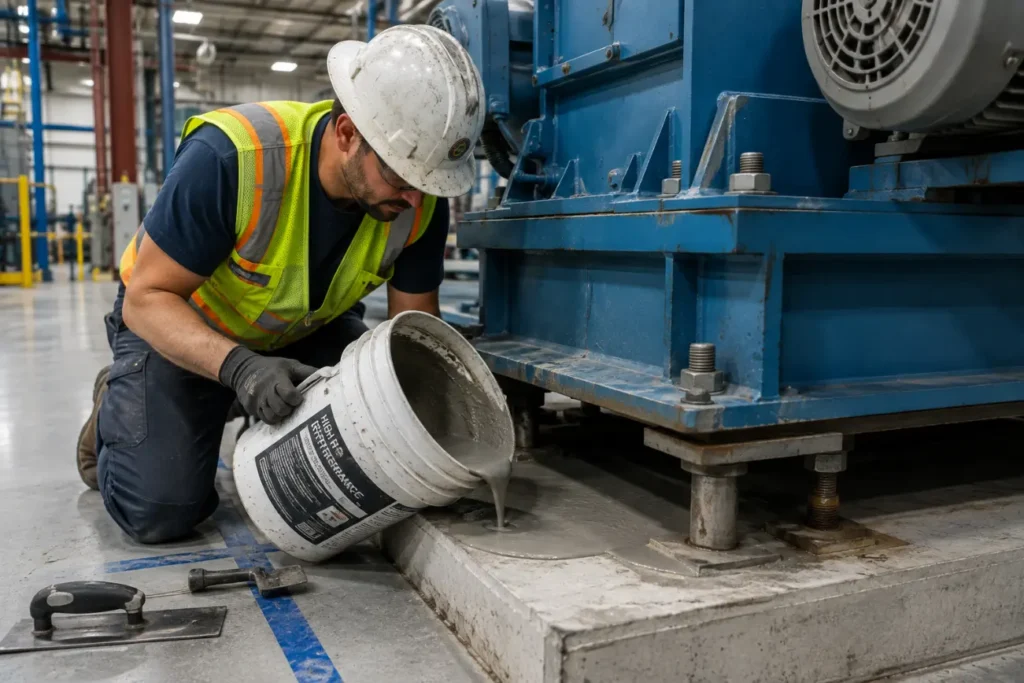
| Grouts | Fills gaps and supports components | Equipment bases, foundations |
| Sealants | Protects joints and openings | Windows, façades, expansion joints |
| Repair materials | Treats damaged concrete | Bridges, buildings, structures |
| Protective coatings | Shields surfaces from exposure | Factories, commercial buildings |
1. Concrete Admixtures
Concrete does not always need to be used in its basic form. Admixtures can be introduced during mixing when a project requires particular characteristics.
Depending on their formulation, admixtures can influence concrete workability, setting behavior, strength development, or resistance to certain conditions. Plasticizers, superplasticizers, accelerators, and retarders are examples commonly used for different construction needs.
2. Waterproofing Materials
Water infiltration can gradually affect concrete, reinforcement, finishes, and other parts of a structure. Waterproofing chemicals are therefore used in areas where moisture protection is important.
Common locations include:
- Building foundations
- Underground structures
- Basements
- Roofs and terraces
- Bathrooms
- Tunnels
- Water storage structures
The system selected may involve coatings, cementitious treatments, membranes, or injection-based solutions, depending on the site and source of water.
3. Grouting Materials
Grouting products are used to fill spaces between or within construction components. They can provide support, improve contact between surfaces, fill voids, and address certain repair requirements.
Cementitious grout, non-shrink grout, epoxy grout, and injection grout each have different characteristics. The selection should be based on the required strength, exposure, movement, access, and application conditions.
4. Sealants and Repair Products
Sealants are used around joints, openings, and connections where movement or exposure to water and air needs to be controlled. They are common around windows, doors, façades, and concrete expansion joints.
Repair products, meanwhile, are used to address problems such as cracks, damaged surfaces, voids, and concrete deterioration. The repair method depends on the cause and severity of the damage.
Where Are Construction Chemicals Used?
- Residential buildings
- Offices and commercial properties
- Manufacturing facilities
- Roads and highways
- Bridges
- Tunnels
- Airports
- Railway infrastructure
- Water treatment facilities
- Parking structures
- Building renovation projects
Their use continues after construction is complete. Maintenance and rehabilitation work often requires waterproofing products, repair compounds, protective coatings, sealants, and specialized grouts.
Also Read:Construction Chemicals Grout
Benefits of Construction Chemicals
The exact benefits depend on the product and how it is used. In suitable applications, construction chemicals can help:
- Improve the handling and performance of concrete
- Control water and moisture penetration
- Protect surfaces from environmental exposure
- Fill construction gaps and voids
- Repair damaged concrete
- Improve adhesion between compatible materials
- Protect selected surfaces from chemical attack and wear
- Support structural and equipment components
- Reduce the frequency of certain maintenance requirements
Proper installation is just as important as product selection. Incorrect mixing, poor surface preparation, unsuitable weather conditions, or improper curing can affect the final performance.
What Is Driving the Construction Chemicals Industry?
Several factors are influencing demand for construction chemicals.
Infrastructure development: New roads, bridges, transport facilities, and public infrastructure require products for construction, protection, and maintenance.
Building renovation: Older structures often need waterproofing, repair, joint treatment, and surface protection.
Durability requirements: Property owners increasingly want construction materials that can perform reliably for longer periods.
Specialized construction: Complex projects may require products designed for specific temperatures, loads, moisture levels, chemical exposure, or application conditions.
Sustainability: Longer-lasting structures can reduce the need for frequent repairs and replacement. This has increased interest in construction solutions that support durability and efficient material use.
Conclusion
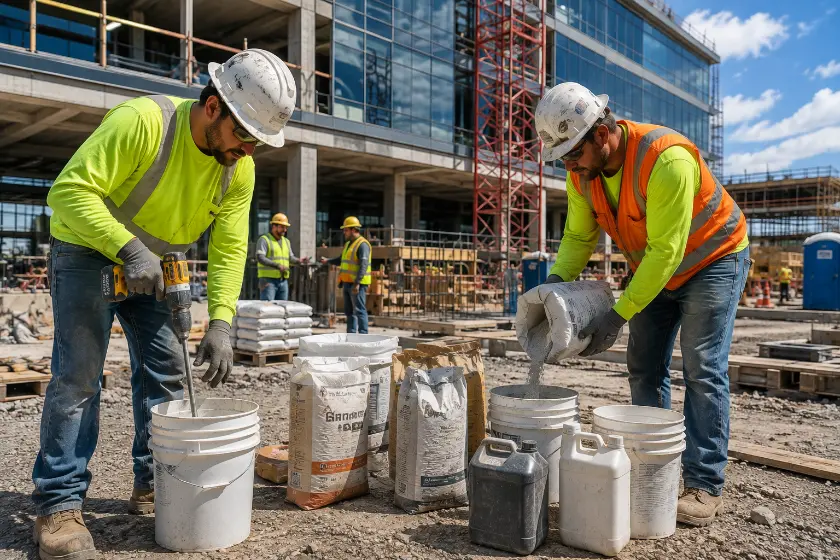
The construction chemicals industry provides specialized solutions for many stages of construction and building maintenance. Concrete admixtures can modify concrete performance, waterproofing materials can help control moisture, while grouts, sealants, repair products, and coatings address other practical requirements.
As construction moves toward longer-lasting buildings and infrastructure, the importance of these specialized materials is likely to remain strong. However, achieving the expected results requires more than choosing a suitable product. Correct surface preparation, mixing, application, curing, and adherence to technical instructions are equally important.
Frequently Asked Questions
What is the construction chemicals industry?
The construction chemicals industry covers specialized products used to improve, protect, repair, seal, bond, or maintain construction materials and structures.
What are the main construction chemical products?
Major categories include concrete admixtures, waterproofing systems, grouts, sealants, repair materials, adhesives, protective coatings, and curing products.
Why are construction chemicals important?
They help address specific construction problems that conventional materials may not solve effectively. Their applications range from concrete modification and waterproofing to structural repair and surface protection.
Are construction chemicals used only in new buildings?
No. They are widely used in maintenance, renovation, rehabilitation, and repair projects involving existing buildings and infrastructure.
How should construction chemicals be selected?
Selection should consider the intended application, substrate, moisture exposure, temperature, mechanical requirements, compatibility, working time, and manufacturer’s technical recommendations.