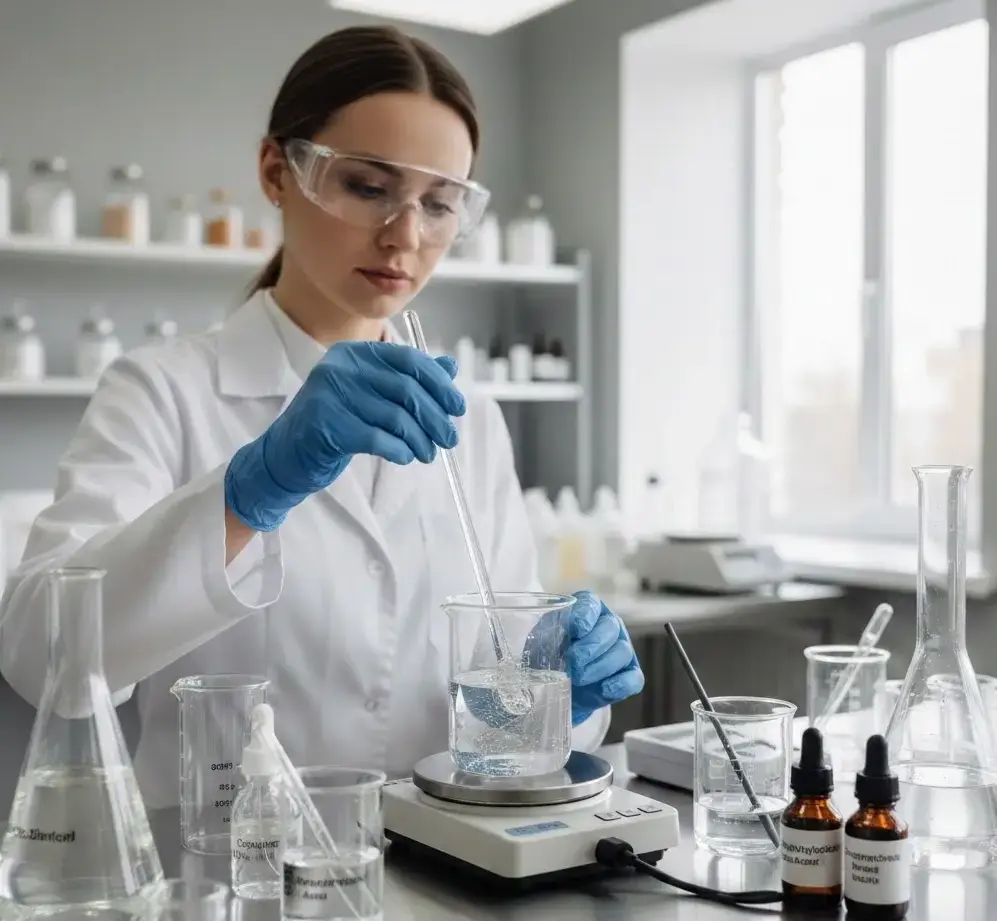
Uses of silicone in cosmetics refer to the functional roles silicone-based compounds play in improving the texture, performance, and stability of beauty and personal care products. Silicones are synthetic polymers derived from silicon and oxygen that create smooth, breathable layers on the skin or hair.
They are widely used in modern formulations because they improve product application and sensory experience without significantly interfering with the skin’s natural processes.
Key Takeaways
- The uses of silicone in cosmetics primarily involve improving texture, spreadability, and durability.
- Silicones function as emollients, film-forming agents, and conditioning ingredients.
- Common cosmetic silicones include dimethicone, cyclopentasiloxane, and amodimethicone.
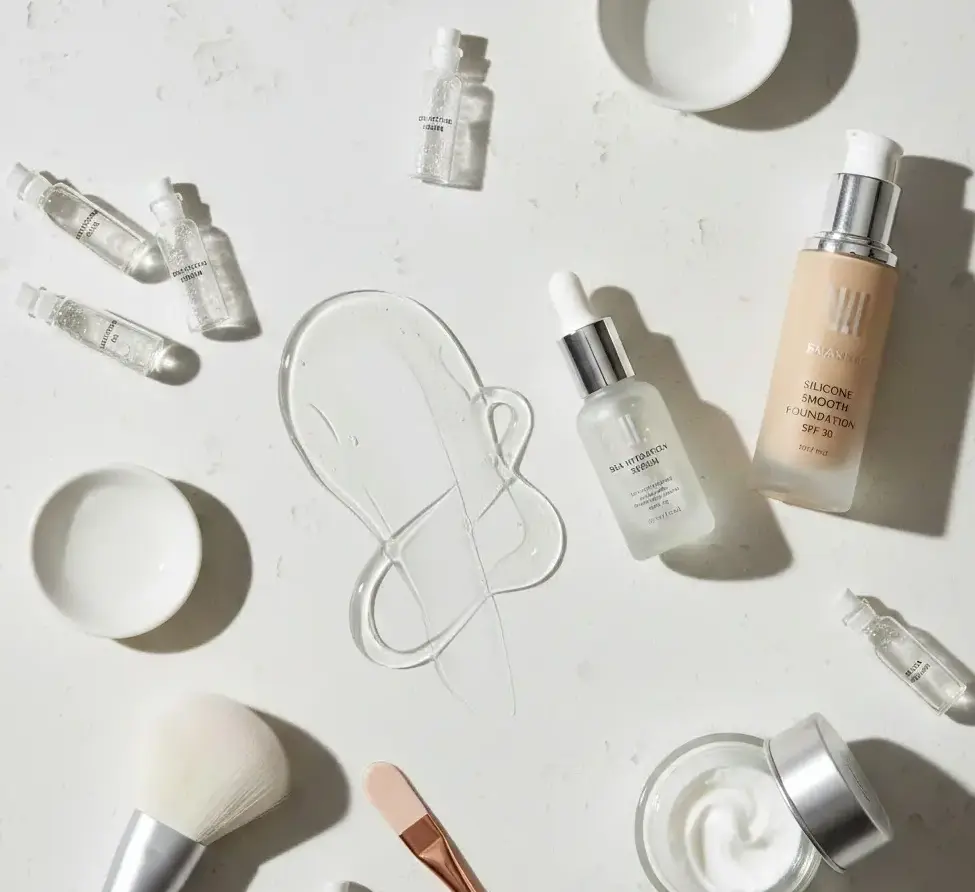
- They are widely used in moisturizers, primers, foundations, sunscreens, and haircare products.
- Many silicones are considered safe for topical cosmetic use when formulated according to regulatory standards.
What Are the Main Uses of Silicone in Cosmetics?
The uses of silicone in cosmetics include improving product texture, enhancing skin feel, and increasing formulation stability.
Common functional roles include:
- Emollient properties – soften and smooth the skin surface
- Film-forming capability – create a thin protective barrier
- Improved spreadability – allow creams and foundations to glide smoothly
- Water resistance – increase durability of sunscreens and makeup
- Conditioning effects – improve softness in haircare products
These properties make silicones especially valuable in formulations requiring long-lasting performance and smooth application.
How Do Silicones Improve Cosmetic Texture and Application?
The uses of silicone in cosmetics often focus on enhancing texture and sensory performance.
Silicones modify how products feel during application by reducing friction on the skin.
Typical formulation advantages:
- Smooth, silky texture in creams and serums
- Reduced stickiness in lotions and moisturizers
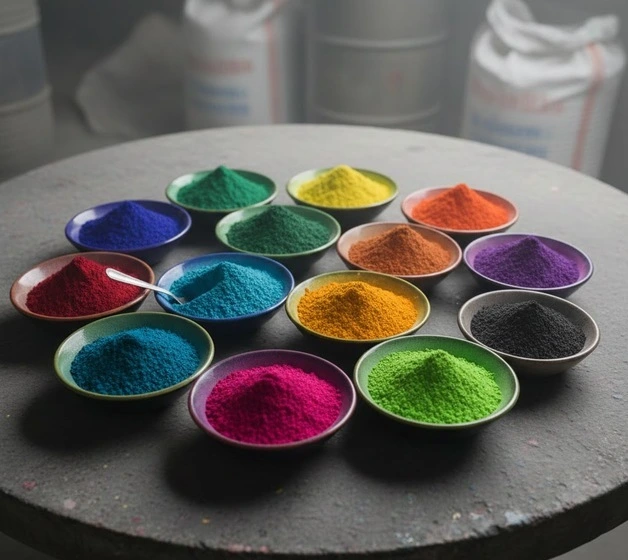
- Even distribution of pigments in foundations
- Improved glide in primers and makeup bases
For example, dimethicone and cyclopentasiloxane are frequently used to provide a lightweight, non-greasy finish while maintaining formulation stability.
Which Cosmetic Products Commonly Use Silicone Ingredients?
The uses of silicone in cosmetics extend across multiple product categories.
| Cosmetic Category | Silicone Function |
| Moisturizers | Skin smoothing and barrier protection |
| Makeup primers | Pore-blurring and smoothing texture |
| Foundations | Even pigment distribution |
| Hair conditioners | Hair smoothing and frizz control |
| Sunscreens | Water resistance and spreadability |
Many consumers also explore related topics such as why silicone is good for skin, whether dermatologists recommend it, and lists of silicones used in skincare formulations.
What Types of Silicones Are Used in Cosmetic Formulations?
The uses of silicone in cosmetics depend on the chemical structure and volatility of specific silicone compounds.
Common types include:
| Silicone Type | Typical Role |
| Dimethicone | Skin protectant and emollient |
| Cyclopentasiloxane | Lightweight spreading agent |
| Amodimethicone | Hair conditioning agent |
| Phenyl trimethicone | Shine enhancement in hair products |
| Silicone resins | Long-lasting film formation |
These compounds are selected based on volatility, viscosity, and compatibility with other cosmetic ingredients.
Are Silicones Considered Safe in Cosmetic Products?
The uses of silicone in cosmetics are widely studied within cosmetic science and regulatory frameworks.
Regulatory assessments from agencies such as the U.S. Food and Drug Administration (FDA) and international cosmetic safety panels generally classify many silicones, including dimethicone, as safe for topical use when formulated appropriately.
Key safety considerations:
- Silicones are chemically stable and inert
- They typically remain on the skin surface rather than penetrating deeply
- Many act as skin protectants approved in topical products
However, certain cyclic silicones are being evaluated in some regions for environmental impact, leading to evolving formulation practices
How Do Silicones Support Long-Lasting Cosmetic Performance?
The uses of silicone in cosmetics also include improving durability and wear time.
Silicones help products maintain performance by:
- Creating flexible protective films
- Increasing resistance to sweat and humidity
- Stabilizing emulsions and pigments
- Enhancing adherence of makeup to skin
These characteristics are particularly important in long-wear makeup, sunscreens, and waterproof cosmetic products.
Conclusion
The uses of silicone in cosmetics demonstrate how formulation chemistry improves the performance and usability of skincare, makeup, and haircare products. By enhancing texture, durability, and skin feel, silicones remain essential functional ingredients in modern cosmetic development.
For a deeper understanding of ingredient roles and classifications, reviewing research on silicones in cosmetics provides further insight into how these compounds contribute to safe and effective beauty formulations.
FAQ
What are the uses of silicone in cosmetics?
Silicones are used to improve product texture, increase spreadability, create protective films, and enhance water resistance in skincare, makeup, and haircare products.
What are 5 uses for silicon?
Five common uses include cosmetics formulation, medical implants, electronics manufacturing, construction sealants, and lubrication or protective coatings.
Is 100% silicone safe for skin?
Medical-grade silicone is generally considered safe for skin contact because it is chemically stable, non-reactive, and widely used in dermatological products.
Why avoid silicone in makeup?
Some users avoid silicone-based makeup because it may trap oil on certain skin types or create buildup when layered with other products.
What is silicone cream used for?
Silicone creams are commonly used to smooth skin, protect the skin barrier, and improve the appearance of scars or dry skin.
Sources
https://www.medicalnewstoday.com/articles/silicone-for-skin
https://pmc.ncbi.nlm.nih.gov/articles/PMC10298615
https://www.xjysilicone.com/what-are-silicones-in-cosmetics.html
https://natexpo.com/en/les-silicones-dans-les-cosmetiques-ce-quil-faut-savoir
https://www.farmoganic.com/products/silicone-resin
https://www.linkedin.com/pulse/brief-discussion-application-silicone-cosmetics-noah-liu-4brec