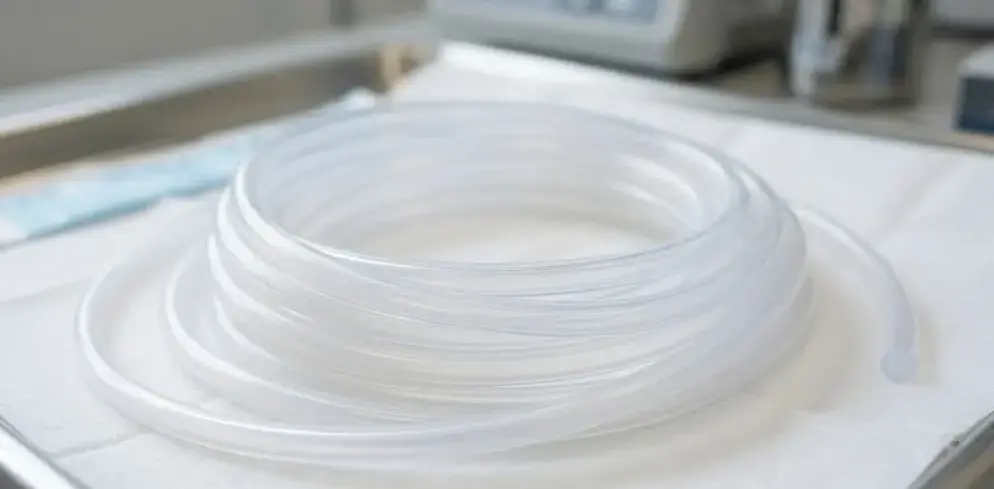
Silicone chemical resistance is the capacity of silicone elastomers to resist chemical attack, swelling, or degradation when exposed to acids, bases, solvents, and environmental agents. This property is driven by its stable silicon-oxygen backbone. How does this resistance vary across different chemical environments and industrial uses?
Key Takeaways
- Silicone chemical resistance depends on chemical type, temperature, and formulation
- Excellent resistance to water, UV, and oxidation
- Poor compatibility with hydrocarbons and strong alkalis
- Compatibility charts are essential for safe material selection
- Platinum cured silicone offers higher purity and stability
What defines silicone chemical resistance in materials?
Silicone chemical resistance depends on molecular structure, crosslinking density, and formulation type. The Si–O backbone provides inherent inertness, but performance varies by exposure conditions.
Key defining factors:
- Chemical type: acids, alkalis, solvents, oils
- Temperature: higher temperatures accelerate degradation
- Exposure duration: prolonged contact reduces resistance
- Curing method: peroxide vs platinum cured silicone
Example:
Platinum cured silicone chemical resistance is generally higher in food and medical applications due to lower extractables and improved purity.
How does silicone chemical resistance vary by chemical type?
Silicone chemical resistance performs well against some chemicals but poorly against others.
| Chemical Category | Resistance Level | Notes |
| Water & moisture | Excellent | Hydrophobic nature prevents absorption |
| Weak acids | Good | Stable under moderate concentrations |
| Strong acids | Moderate | May degrade over time |
| Alkalis | Poor | Swelling and breakdown possible |
| Hydrocarbons | Poor | Significant swelling occurs |
| Alcohols | Moderate | Limited compatibility |
Industry practice:
Chemical compatibility is verified using a silicone chemical resistance chart before selecting materials.
Why is a silicone chemical resistance chart important?
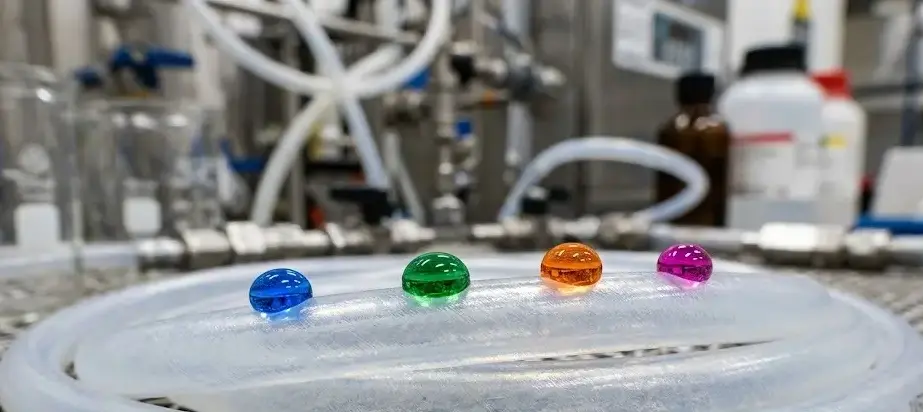
A silicone chemical resistance chart provides standardized compatibility ratings for different chemicals.
Typical rating system:
- A: Excellent (no effect)
- B: Good (minor change)
- C: Fair (moderate effect)
- D: Not recommended
Applications:
- Material selection in pharmaceutical tubing
- Seal design in chemical processing plants
- Compliance validation in food-grade systems
A silicone chemical resistance table helps engineers reduce failure risk and ensure regulatory compliance.
How does silicone compare with other elastomers like Viton?
Silicone chemical resistance differs significantly from alternatives such as Viton.
| Property | Silicone | Viton |
| Heat resistance | Excellent | Excellent |
| Hydrocarbon resistance | Poor | Excellent |
| Acid resistance | Moderate | Good |
| Flexibility at low temp | Excellent | Moderate |
Conclusion:
Viton chemical resistance is superior for fuels and oils, while silicone excels in temperature stability and biocompatibility.
What factors affect chemical resistant silicone performance?
Chemical resistant silicone performance depends on formulation and operating conditions.
Critical factors:
- Temperature exposure
- Chemical concentration
- Mechanical stress
- Additives and fillers
Example:
RTV silicone chemical resistance chart data shows reduced resistance when exposed to concentrated alkalis at elevated temperatures.
Where is silicone chemical resistance most commonly applied?
Silicone chemical resistance is widely utilized across regulated and industrial sectors.
Key applications:
- Medical tubing and implants
- Food-grade seals and gaskets
- Electrical insulation systems
- Automotive sealing components
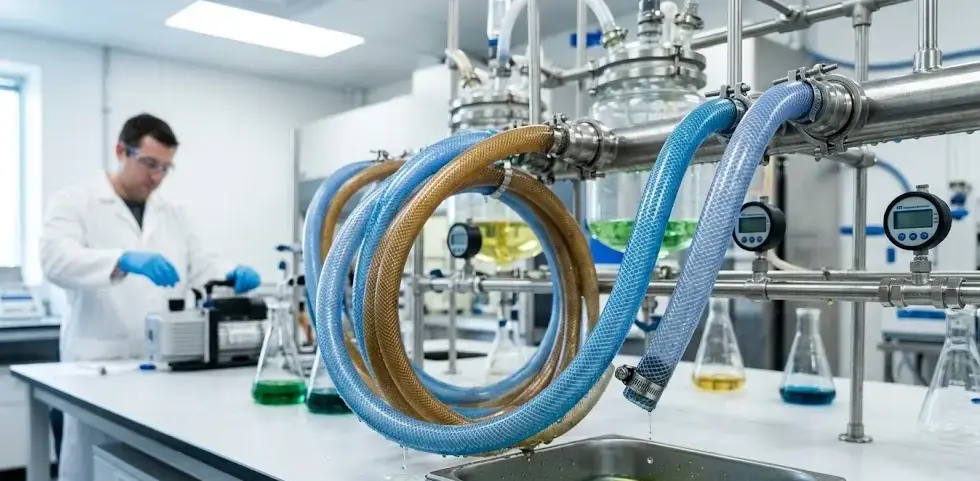
A chemical resistant silicone is often discussed alongside fluorosilicone, EPDM, and other elastomers used for fluid handling and sealing systems.
Conclusion
Silicone chemical resistance provides a balanced profile of stability, flexibility, and safety across multiple industries. Proper selection using compatibility charts and understanding exposure conditions ensures optimal performance. When combined with properties like silicone thermal stability, silicone becomes a reliable material for demanding environments.
FAQs
How chemical resistant is silicone?
Silicone is highly resistant to water, oxidation, and mild chemicals but shows poor resistance to hydrocarbons and strong alkalis.
What is the resistance of silicone?
Silicone offers excellent resistance to temperature, UV, and moisture, with moderate resistance to acids and limited resistance to solvents.
What chemicals react with silicone?
Strong acids, alkalis, and hydrocarbon-based solvents can degrade or swell silicone materials.
Is silicone resistant to acids?
Silicone resists weak acids effectively but may degrade under prolonged exposure to strong acids.
Does silicone resist solvents?
Silicone has limited resistance to solvents, especially non-polar organic solvents like fuels and oils.
Sources
https://jehbco.com.au/products/chemical-compatibility-chart/
https://lk-flow.de/wp-content/uploads/Chemical-Resistance-Chart-Silicon.pdf
https://www.permselect.com/sites/default/files/2019-09/Silicone_Chemical_Compatibility_Chart.pdf
https://www.bostik.com/files/live/sites/shared_bostik/files/images/documents-and-brochures/construction/bostik-academy/Bostik%20FactSheet%20FS011%20Chemical%20resistance%20of%20silicones.pdf
https://www.atlasfibre.com/understanding-silicone-chemical-compatibility-a-comprehensive-guide/
https://blog.darwin-microfluidics.com/silicone-tubing-chemical-compatibility/
https://en.wikipedia.org/wiki/Silicone
https://www.timcorubber.com/blog/archive/chemical-resistances-for-different-rubber-materials/